





Achieving smooth, hair-free skin is a top aesthetic goal for millions of individuals seeking long-term relief from shaving, waxing, and threading. For anyone exploring advanced grooming options like Laser Hair Removal in Abu Dhabi, one of the most common questions is whether this light-based technology performs equally well across every hair color, thickness, and curl pattern. Because human body hair varies dramatically from fine peach fuzz to coarse, dark strands, understanding the science behind how light interacts with hair follicles is essential before starting a treatment journey.
-
Explores why individuals seek long-term hair reduction methods.
-
Introduces the core question regarding effectiveness across diverse hair colors and textures.
-
Highlights the importance of understanding how light energy interacts with different follicle types.
How Laser Hair Removal Technology Interacts with Hair
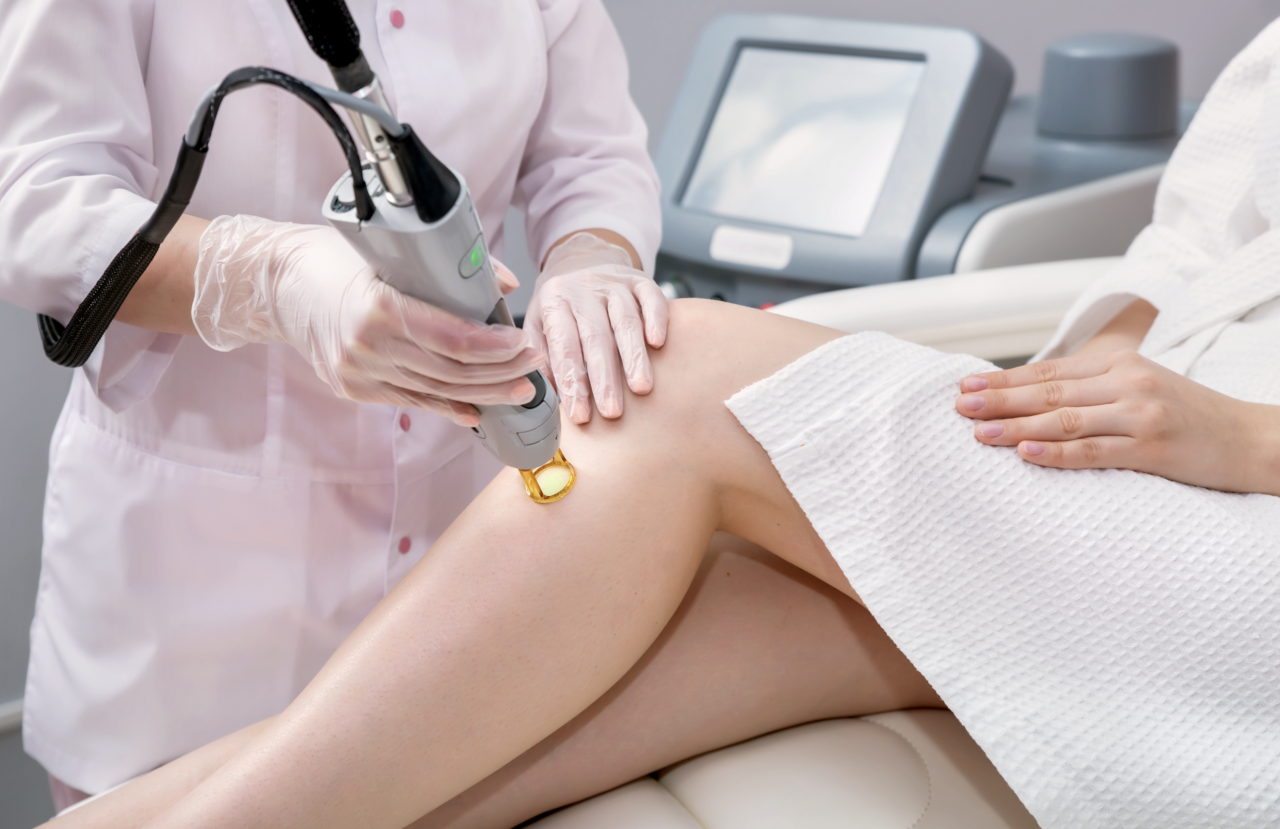
To understand why certain hair types respond better than others, it helps to look at the scientific principle known as selective photothermolysis. During a session, a specialized device emits a concentrated beam of light that travels beneath the skin’s surface to reach the root of the hair. Rather than heating the entire area indiscriminately, the light specifically seeks out melanin, which is the natural pigment responsible for giving both hair and skin their color. When the melanin inside the hair shaft absorbs this light, the energy instantly converts into thermal heat, disabling the follicle’s ability to produce future strands.
-
Defines selective photothermolysis as the core mechanism behind light-based hair reduction.
-
Explains how melanin inside the hair shaft absorbs light and converts it into follicle-disabling heat.
-
Clarifies why the presence and concentration of pigment dictate treatment success.
The Role of Melanin and Pigment Contrast
Melanin comes in two primary forms: eumelanin, which produces brown and black shades, and pheomelanin, which creates blonde and red hues. Standard light-based hair reduction relies heavily on the presence of eumelanin because dark pigment absorbs light wavelengths far more efficiently than lighter tones. Historically, the ideal scenario involved dark, pigment-rich hair paired with lighter surrounding skin, creating a sharp contrast that allowed the beam to lock onto the follicle effortlessly. Modern multi-wavelength devices have expanded this capability significantly, yet the fundamental rule remains that the hair follicle must contain enough dark pigment to absorb thermal energy.
-
Distinguishes between eumelanin (dark pigment) and pheomelanin (light or red pigment).
-
Explains why dark pigment absorbs light energy much more effectively than lighter shades.
-
Notes how contrast between hair color and surrounding skin influences targeting precision.
Effectiveness Across Different Hair Colors
Hair color is the single most influential factor in determining how reliably a follicle will respond to light energy. Because different shades contain varying ratios of eumelanin and pheomelanin, outcomes range from dramatic reduction to minimal change depending on the natural hue of the strand.
-
Identifies natural hair color as the primary predictor of treatment responsiveness.
-
Connects pigment density directly to the thermal energy absorbed by the hair root.
Black and Dark Brown Hair
Black and dark brown strands represent the gold standard for light-based hair reduction. Because these shades are packed with dense concentrations of eumelanin, they act like a magnet for concentrated light energy. The hair shaft rapidly absorbs the beam, transferring sufficient heat down to the bulb to disrupt the growth cycle. Individuals with naturally dark hair typically experience the fastest visible thinning and the highest overall percentage of long-term hair reduction across treated body areas.
-
Highlights black and dark brown hair as the most responsive shades due to high eumelanin levels.
-
Describes how rapid heat transfer disables the follicle efficiently.
-
Notes that dark-haired individuals usually see the quickest and most thorough reduction.
Light Brown and Dirty Blonde Hair
Light brown and darker blonde hair fall into an intermediate category where results depend heavily on the exact depth of the shade and the thickness of the strand. While these hairs contain less melanin than jet-black strands, they often possess enough brown pigment for newer, high-precision wavelengths—such as Alexandrite or Diode systems—to recognize and heat the follicle. Expecting gradual thinning rather than immediate clearance is realistic, as lighter brown shades may require additional maintenance sessions to achieve smooth results.
-
Categorizes light brown and dark blonde hair as moderately responsive depending on strand thickness.
-
Mentions how specialized wavelengths improve targeting for lower-pigment brown tones.
-
Sets realistic expectations for gradual thinning over multiple sessions.
Red, Strawberry Blonde, and Auburn Hair
Red and copper-toned hair presents a unique biological challenge because its color comes predominantly from pheomelanin rather than eumelanin. Pheomelanin absorbs standard hair-removal wavelengths very poorly, meaning the light passes through the shaft without generating enough heat to disable the root. Deep auburn hair that contains a noticeable blend of brown pigment may see partial reduction, whereas true copper or bright red strands generally show limited response to standard light-based devices.
-
Explains why pheomelanin in red hair resists standard light absorption.
-
Differentiates between deep auburn hair (which has some brown pigment) and pure copper tones.
-
Clarifies why light-based methods produce limited results on true red hair.
White, Gray, and Platinum Blonde Hair
White, silver, and gray strands have lost their active melanocytes, meaning the hair shaft contains virtually zero melanin. Similarly, natural platinum or very pale blonde hair lacks sufficient pigment to attract light energy. Without a dark target inside the follicle, the laser beam cannot convert into heat, leaving the root completely intact. For individuals with gray or white hair, alternative methods like electrolysis—which uses a tiny electric current rather than light pigment targeting—are required for permanent follicle destruction.
-
States that gray, white, and platinum blonde hairs lack the melanin needed for light absorption.
-
Explains why light passes harmlessly through non-pigmented follicles without disabling growth.
-
Identifies electrolysis as the primary alternative for non-pigmented hair colors.
How Hair Texture and Thickness Impact Results
While color determines whether the light can see the hair, texture and diameter dictate how much heat the strand can hold and deliver to the follicle. Body hair varies in thickness depending on genetics, hormones, and anatomical location.
-
Introduces strand diameter and texture as secondary factors influencing thermal transfer.
-
Notes that hair thickness varies across different regions of the body.
Coarse, Thick, and Curly Hair
Coarse, thick hair—commonly found on the underarms, bikini line, lower legs, and beard area—responds exceptionally well to light-based treatments. A wider hair shaft contains a larger volume of melanin, enabling it to capture more energy and conduct intense heat directly into the surrounding follicle walls. Furthermore, curly or coily hair textures respond just as effectively as straight hair, provided the strands are dark and coarse. In fact, individuals with coarse, curly hair often notice an added benefit: a dramatic reduction in painful ingrown hairs and razor bumps as the follicles weaken.
-
Explains why thick, coarse strands retain more heat and disable follicles more reliably.
-
Confirms that curly and coily hair respond equally well when sufficient pigment is present.
-
Highlights the reduction of ingrown hairs as a major advantage for coarse textures.
Fine, Thin, and Vellus Hair
Fine hair—often referred to as vellus hair or “peach fuzz” on the face, arms, or abdomen—is notoriously stubborn. Even when fine hair appears dark, its narrow diameter holds very little melanin compared to a coarse strand. Because the shaft is so thin, it cools down rapidly and struggles to transfer enough thermal energy to destroy the stem cells at the base of the follicle. Treating fine hair requires specialized short-pulse wavelengths and careful parameter adjustments, and it typically takes more sessions to see noticeable refinement.
-
Defines vellus hair and explains why thin diameters hold less pigment and heat.
-
Describes how rapid heat dissipation in thin strands makes follicle destruction harder.
-
Notes that fine hair often requires tailored wavelengths and extra sessions.
The Importance of Hair Growth Cycles and Wavelengths
Even if you have ideal dark, coarse hair, a single session cannot eliminate every strand at once. Hair grows in continuous, staggered cycles, and light-based devices can only disable follicles during one specific phase of development.
-
Explains why multiple sessions are necessary regardless of hair color or texture.
-
Connects treatment scheduling to the biological lifecycle of human hair.
Understanding the Anagen Growth Phase
Every hair follicle cycles through three stages: anagen (active growth), catagen (transitional), and telogen (resting and shedding). Light energy is only effective during the anagen phase because the hair shaft is firmly anchored to the dermal papilla—the nutrient-rich base that feeds new growth. During catagen and telogen, the hair detaches from the root, meaning heat generated in the shaft cannot travel down to disable the follicle. Since only about 15% to 20% of body hair is in the anagen phase at any given moment, spacing sessions several weeks apart ensures every follicle is eventually caught during its active window.
-
Breaks down the three biological hair growth stages: anagen, catagen, and telogen.
-
Clarifies why the hair must be connected to the root during the anagen phase for heat transfer.
-
Justifies why spaced-out sessions are required to target all active follicles over time.
Matching Laser Wavelengths to Hair and Skin Profiles
Modern advancements have introduced multiple laser wavelengths designed to accommodate diverse combinations of hair thickness and skin tone. The 755nm Alexandrite wavelength excels at capturing pigment in finer, lighter-brown hairs on fair complexions. The 808nm to 810nm Diode wavelength serves as an all-around workhorse, balancing penetration depth and melanin absorption for medium-to-coarse hair across a wide spectrum of skin tones. Meanwhile, the 1064nm Nd:YAG wavelength penetrates deeper into the dermis, bypassing surface pigment to target deep, coarse follicles safely on richly pigmented skin.
-
Outlines how 755nm Alexandrite targets fine to medium hair on lighter skin.
-
Describes the 808nm/810nm Diode as a versatile option for coarse hair across varied skin tones.
-
Explains how the 1064nm Nd:YAG reaches deep follicles on darker skin tones safely.
Frequently Asked Questions (FAQs)
1. Can laser hair removal work on fine facial peach fuzz?
Fine facial hair, known as vellus hair, is challenging to treat because thin strands contain minimal melanin to absorb light energy. While darker, slightly thicker facial hairs can respond to specialized short-pulse wavelengths, ultra-fine, translucent peach fuzz generally does not hold enough heat to disable the follicle effectively.
2. Why does laser hair removal require multiple sessions for thick hair?
Even coarse, dark hair grows in staggered biological cycles. A laser can only disable follicles that are actively connected to the root during the anagen growth phase. Because only a fraction of your hair is in this active stage at any given time, multiple sessions spaced weeks apart are needed to catch every follicle as it enters the growth phase.
3. Does curly or coily hair respond differently to laser treatments than straight hair?
Curl pattern does not negatively affect how well light energy disables a hair follicle. As long as the hair contains sufficient dark pigment and thickness, curly and coily strands respond just as effectively as straight hair. In fact, weakening curly follicles often provides significant relief from chronic ingrown hairs.
4. What happens if I have a mix of dark hairs and gray or white hairs in the same area?
When an area contains both pigmented and non-pigmented hairs, the light beam will selectively target and reduce the dark, melanin-rich strands while leaving the gray or white hairs unaffected. Many individuals use laser treatments to clear the dark majority of hair first, followed by electrolysis to address any remaining silver or white strands.