


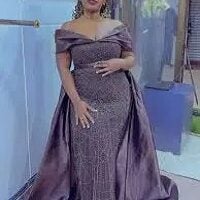

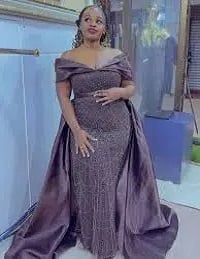
Attending a special event should be an enjoyable experience, but uncomfortable clothing can make it difficult to relax and participate fully. Factors such as fabric texture, fit, dress length, and breathability can influence how someone feels throughout a celebration. When exploring Party Dresses in California, it is helpful to consider how different designs accommodate movement, changing temperatures, and the activities planned for the occasion. A comfortable outfit allows the wearer to focus on conversations, photographs, dancing, and memorable moments rather than constantly adjusting clothing. Understanding these practical details can make selecting an appropriate party dress a more straightforward process.
Why Does Comfort Matter When Selecting a Party Dress?
Comfort plays an important role in how clothing feels during extended social gatherings. Whether an event involves sitting through a formal dinner, standing during a reception, or moving around a dance floor, the dress should allow natural movement without creating unnecessary pressure.
A garment that fits properly can help prevent tightness around the shoulders, waist, hips, and underarms. Excessively restrictive clothing may make sitting, walking, or raising the arms difficult. On the other hand, a dress that is too loose might shift during movement and require repeated adjustments.
Comfort also includes how the fabric feels against the skin. Smooth materials can reduce irritation, while rough seams, stiff embellishments, or poorly finished edges may cause discomfort after several hours. Paying attention to these details helps create a more enjoyable experience at different types of celebrations.
How Does California’s Climate Affect Dress Comfort?
California has a varied climate, with warm coastal areas, cooler evenings, and regions that experience significant temperature changes. The weather at the event location can influence which dress materials and designs feel comfortable.
During warm weather, lightweight and breathable fabrics can help reduce the feeling of overheating. Materials that allow some airflow may be useful for outdoor celebrations, garden parties, and daytime gatherings. Sleeveless designs, short sleeves, and flowing silhouettes can also provide greater freedom of movement when temperatures rise.
Evenings may become cooler, particularly in coastal locations. In these circumstances, a dress with slightly longer sleeves or a design that works comfortably with a light outer layer can offer additional flexibility.
Indoor venues may have air conditioning, creating a different environment from outdoor spaces. Considering the event’s location, duration, and expected weather conditions can help prevent discomfort caused by unsuitable clothing.
Which Fabrics Can Make Party Dresses More Comfortable?
Fabric selection can affect softness, breathability, flexibility, and temperature regulation. Natural fibers such as cotton may feel breathable and gentle against the skin, depending on their weave and finish. Lightweight blends can also provide flexibility while maintaining the appearance needed for a special occasion.
Chiffon is often used for flowing overlays because of its light appearance and movement. However, its comfort depends on the lining, seams, and construction. Satin can create a smooth, elegant finish, although some varieties may feel less breathable than lightweight woven fabrics.
Stretch materials may allow easier movement when sitting, walking, or dancing. Nevertheless, the amount of stretch and the garment’s overall construction determine whether the dress feels supportive or restrictive.
People with sensitive skin may also want to examine labels, linings, and decorative details. Rough embroidery, sequins, or stiff stitching can irritate certain areas. Checking these features before wearing a dress for an extended period can help reduce the likelihood of discomfort.
How Does the Right Fit Improve Movement?
The fit of a dress affects more than its appearance. It determines how comfortably the wearer can perform ordinary movements throughout an event.
The shoulders should allow the arms to move naturally without pulling the neckline out of position. The waist should feel secure without making breathing or sitting difficult. Around the hips, sufficient room helps prevent the fabric from pulling when walking or climbing stairs.
Dress length is another practical consideration. A hem that is too long may catch beneath footwear or create a tripping hazard. A very narrow skirt may restrict walking, while a flowing design can provide greater freedom of movement.
Trying on a dress and testing everyday movements can reveal potential problems before an event. Sitting down, walking several steps, raising the arms, and turning gently can help identify tight areas or unstable seams.
Can Dress Design Support Comfort During Long Events?
Different design features influence how a dress feels over several hours. A-line silhouettes provide room through the lower body, while flowing skirts can make walking and sitting easier. Designs with adjustable waist details may allow small fit changes without creating excessive pressure.
Sleeve construction also matters. Tight sleeves can restrict movement around the shoulders, while excessively loose sleeves may catch on objects. Necklines should remain comfortably positioned without requiring frequent adjustment.
The weight of decorative details is worth considering as well. Heavy embellishments may pull on delicate fabric or create pressure around the shoulders and neckline. Lightweight decoration can provide visual interest without adding as much weight.
When considering Party Dresses in California, it is useful to assess the complete design rather than focusing on appearance alone. Fabric, lining, seams, closures, and silhouette work together to determine whether a dress remains comfortable throughout an event.
What Should You Consider Before Wearing a Dress to a Party?
The activities planned for the occasion can help determine which features are most practical. A seated dinner may require comfortable waist construction, while a celebration involving dancing calls for a flexible fit and a hemline that allows safe movement.
Footwear should also be considered alongside dress length. The combination should allow stable walking, especially when the venue includes stairs, grass, uneven paving, or crowded spaces.
The dress should be tested with the undergarments and accessories intended for the event. This can reveal unexpected pressure points, slipping straps, visible seams, or areas where fabric catches.
Care instructions deserve attention before the occasion. Some materials wrinkle easily, while others require careful handling to maintain their shape. Preparing the garment properly can help it remain presentable without causing last-minute stress.
How Can You Stay Comfortable Throughout a Celebration?
Comfort depends on more than selecting the right dress. The way the garment is worn and prepared can also influence the experience.
Checking seams, closures, straps, and hems before leaving home can help identify small issues early. If a dress needs minor alterations, addressing them in advance may improve its fit and stability.
For outdoor celebrations, considering temperature changes and the possibility of wind can be useful. A dress that feels comfortable in direct sunlight may feel different in a shaded or air-conditioned setting.
Movement throughout the event should feel natural. Clothing that allows comfortable breathing, unrestricted walking, and easy sitting can make it easier to enjoy social activities without unnecessary distraction.
Conclusion
Comfort is an important part of preparing for any celebration because clothing can influence movement, confidence, and enjoyment. Fabric breathability, proper sizing, thoughtful construction, and suitable dress length all contribute to a positive wearing experience. Weather conditions and the activities planned for an event should also guide the selection process. By examining these practical details before making a final decision, anyone can choose an outfit that supports both style and ease. Ultimately, Party Dresses in California can offer a comfortable experience when the design, material, and fit are suited to the occasion and the wearer’s everyday movement needs.
Frequently Asked Questions
Are Party Dresses Suitable for All-Day Events?
Yes, a party dress can work for an extended event when its fabric, fit, and construction suit the occasion. Breathable materials, comfortable seams, and an appropriate length can help support movement throughout the day.
Which Dress Materials Feel Comfortable in Warm Weather?
Lightweight, breathable fabrics are often useful in warm conditions. Cotton and certain lightweight blends may offer airflow, while the lining and overall construction also affect how warm a dress feels.
How Can You Tell Whether a Party Dress Fits Correctly?
A well-fitting dress should allow comfortable breathing, sitting, walking, and arm movement. The fabric should not pull excessively across the body, and closures should remain secure without creating uncomfortable pressure.
Can a Formal Dress Be Comfortable for Dancing?
Yes. Flexible fabrics, secure straps, suitable hemlines, and designs that allow leg movement can make formal dresses practical for dancing. Testing a few dance movements before the event can help identify restrictions.
What Should You Consider When Choosing a Dress for an Outdoor Party?
Consider the expected temperature, wind, venue surface, and duration of the event. Breathable fabric, a manageable hemline, and a design that allows easy movement can improve comfort in outdoor settings.
Do Accessories Affect Dress Comfort?
Yes. Heavy jewelry, tight belts, restrictive shapewear, and uncomfortable footwear can affect how an outfit feels. Accessories should sit securely without creating excessive pressure or limiting movement.