



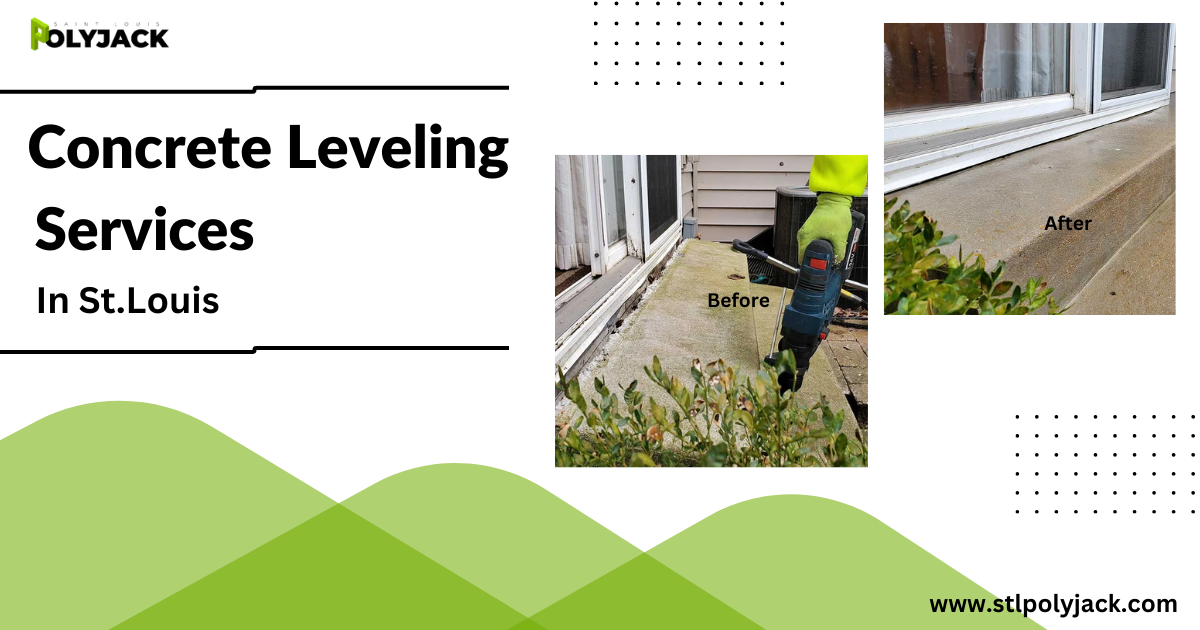
Concrete steps that begin separating from your front porch can be more than a cosmetic problem. The gap may indicate soil settlement, drainage issues, or movement between the steps and the porch foundation. Identifying the cause early can help homeowners prevent further damage and reduce potential safety risks. If the separation continues to grow, consulting a Concrete Leveling Company St.Louis can help determine whether the steps can be stabilized or require another type of repair.
Understanding why the separation occurs is the first step toward choosing the right solution.
1. Soil Settlement Beneath the Steps
Concrete steps depend on stable ground for support. If the soil beneath them becomes compacted or shifts over time, the steps may settle independently of the porch.
This can create a visible gap between the two structures. The separation may become more noticeable if one side of the steps sinks while the other remains relatively stable.
The amount of movement and the condition of the surrounding concrete can help determine the appropriate repair approach.
2. Poor Drainage Around the Porch
Water can contribute to soil movement beneath concrete steps. Downspouts that discharge near the porch, poor yard grading, and water collecting beside the foundation may gradually affect the supporting soil.
When water flows beneath a slab, it can carry fine soil particles away and leave unsupported spaces. In other situations, repeated changes in soil moisture can contribute to movement.
Check the area after rainfall to see whether water pools near the steps or flows toward the porch.
3. Freeze-Thaw Conditions
Seasonal temperature changes can affect the ground beneath outdoor concrete. When moisture in the soil freezes and thaws, it can contribute to ground movement and uneven support.
Repeated movement may cause steps to shift away from the porch or develop cracks along the connection.
Keeping water away from the steps and addressing drainage problems can help reduce some of the conditions that contribute to movement.
4. Differences in Foundation Support
The porch and its steps may not have the same type of support. For example, the porch may be connected to the house foundation, while the steps rest on a separate concrete base.
If these structures settle at different rates, a gap can develop between them. The separation does not necessarily mean the house foundation is failing, but significant or increasing movement deserves attention.
A professional inspection can help distinguish ordinary slab settlement from a problem involving the porch or foundation.
5. Can Concrete Steps Be Repaired Without Replacement?
The appropriate repair depends on the condition of the steps, the amount of settlement, and the underlying cause.
If the steps are structurally sound and have settled because of inadequate support beneath them, concrete lifting or stabilization may be an option. If the concrete is badly cracked, broken, or structurally compromised, replacement or a different repair method may be necessary.
Simply filling the visible gap may not address the underlying problem if the steps continue to move.
6. What Should Homeowners Check?
Before arranging a repair, observe the affected area and note any changes. Look for widening gaps, uneven step heights, cracks, standing water, and signs of soil erosion.
Avoid attempting to lift heavy concrete steps with improvised tools. The weight of the concrete and the possibility of sudden movement can create serious safety hazards.
Conclusion
Separating concrete steps can result from soil settlement, poor drainage, seasonal ground movement, or differences in structural support. Identifying the cause helps determine whether lifting, stabilization, or replacement is the most suitable option.
If the separation is growing or the steps have become uneven, a professional evaluation can help establish the next steps. Homeowners seeking Concrete Leveling St.Louis services should have the concrete condition and supporting soil assessed before choosing a repair method.