






Think about the last hotel lobby that made you relax the second you walked in. Chances are the furniture wasn’t what did it. The lighting was. Good light tells a guest they’re welcome before anyone says hello.
If you’re planning a holiday in hotel lighting is one of the few design details that shapes the whole stay, from the first impression to the last good night’s sleep. Here’s how layered lighting works and how hotels can use it in every space.
What Is Layered Lighting?
Layered lighting means using several light sources at different heights and strengths, rather than relying on one bright ceiling fixture. Most designers work with three layers:
- Ambient lighting fills the room with general, comfortable light.
- Task lighting helps with specific jobs like reading, working, or putting on makeup.
- Accent lighting points out artwork, textured walls, or architectural details.
Each layer can be switched on its own. That’s why one room can feel bright and busy at 8 a.m. and soft and quiet at 10 p.m.
Why Lighting Matters to Guests
Light affects mood, energy, and sleep. Research from the Lighting Research Center at Rensselaer Polytechnic Institute has shown that light exposure influences the body clock. Many hotel guests are tired, jet-lagged, or sleeping in an unfamiliar bed, so the right light can really help.
There’s a money side too. The U.S. Department of Energy says LED lighting uses at least 75% less energy than incandescent bulbs and can last up to 25 times longer. Better light and lower bills rarely come in the same package, but here they do.
Building Each Layer
Ambient Light With Down Lights
Recessed fixtures are the workhorse of hotel lighting. A well-planned down lights interior scheme gives clean, even light without cluttering the ceiling, which suits corridors, bathrooms, lobbies and guest rooms.
A few tips that make a real difference:
- Pick warm white bulbs (2700K to 3000K) for bedrooms and lounges.
- Space fixtures evenly so you don’t get harsh patches and dark corners.
- Add dimmers everywhere guests might want a softer mood.
- Choose a CRI of 90 or higher so skin, food, and fabrics look natural.
Task Light That Actually Helps
Guests read in bed, answer emails at the desk, and check their faces in the bathroom mirror. Each of those spots needs bright, glare-free light that’s easy to find and easy to switch on. Nothing annoys a guest faster than hunting for the right switch in the dark.
Accent Light for Personality
Accent lighting is what makes a hotel memorable. Try these:
- Wall washers on stone or timber walls
- Small picture lights over local art
- LED strips behind headboards or mirrors
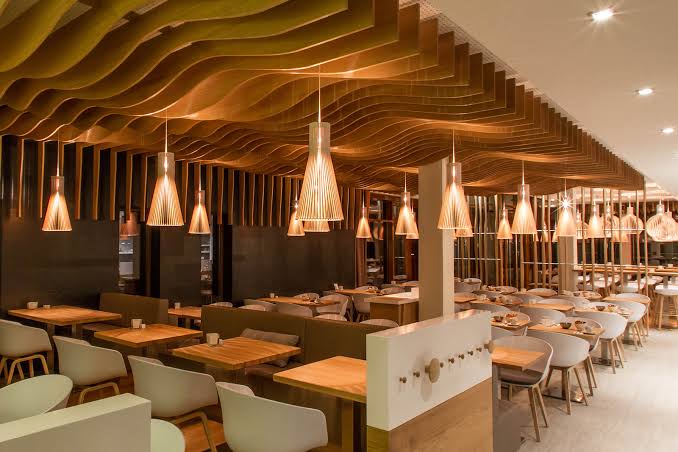
- Pendant lights as a focal point in lobbies and restaurants
Lighting Ideas by Space
Lobby and reception: Mix soft downlights with a statement chandelier or pendant. Keep the front desk a little brighter so check-in feels quick and clear.
Guest rooms: Flexibility wins. Preset scenes such as Arrive, Relax, Work, and Sleep let guests change the mood with one touch. A low-level path light near the floor helps with those half-asleep trips to the bathroom.
Restaurants and bars: Lower, warmer light invites people to stay longer. Light the bar itself a bit more so it draws the eye.
Spas: Keep light indirect and gentle. Tunable white fixtures can follow the natural rhythm of daylight.
What Guests Notice Before They Book
Most travelers pick a hotel after scrolling through photos. Warm, well-lit rooms photograph better and feel more inviting online. When someone imagines a holiday in hotel lighting that feels calm and cozy, they’re picturing exactly this kind of layered setup, even if they’d never call it that.
Practical Tips for Hoteliers
- Draw up a lighting plan before choosing any fixtures.
- Go with LEDs to cut energy use and maintenance.
- Add occupancy sensors and smart controls where they make sense.
- Build a mock-up room and test it at different times of day.
- Show staff how the controls work so problems get fixed fast.
Final Thoughts
Layered lighting is one of the most affordable ways to improve a hotel’s interior. Mix ambient, task, and accent light, lean on reliable downlights in the interior spaces, and give guests simple controls. The result is a hotel that feels comfortable and has a personality of its own.
Guests rarely remember the exact fixtures. They remember how the room felt. Get the light right, and that feeling is what brings them back.