

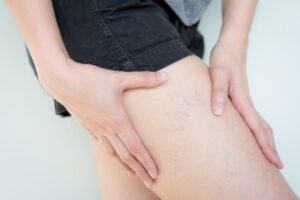




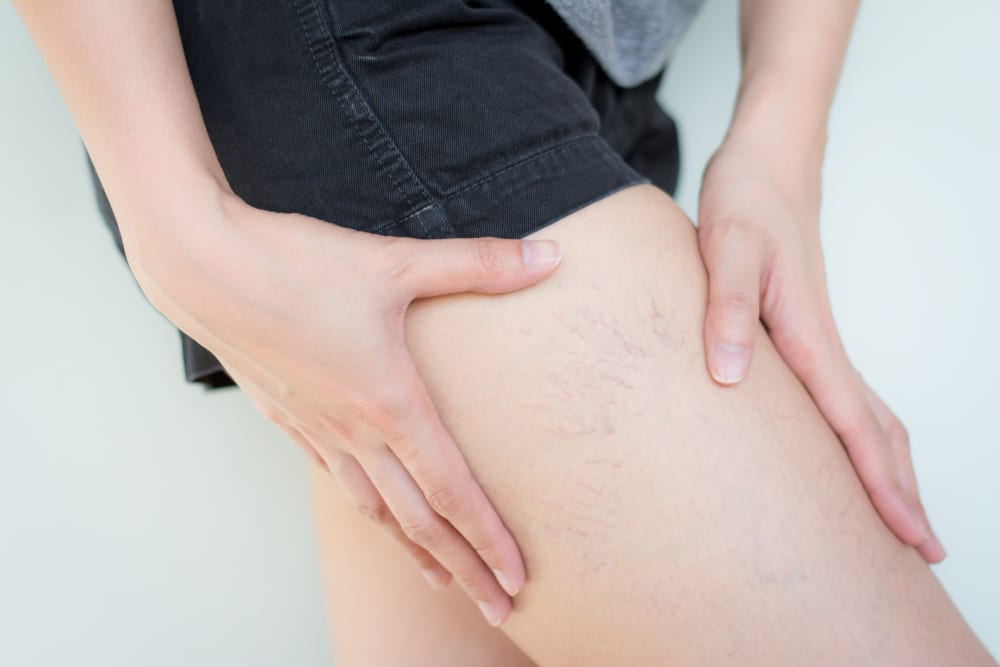
Understanding what happens during a vein procedure helps patients prepare with confidence and clarity. Many people wonder whether anesthesia is required before undergoing injections to address spider veins or small varicose veins. When exploring options for Sclerotherapy in Abu Dhabi, individuals often want to know how comfortable the appointment feels and what to expect from start to finish. In most cases, sclerotherapy does not require general anesthesia or sedation because the injections use very fine needles and are generally well tolerated while awake.
-
Sclerotherapy typically does not require general anesthesia or heavy sedation.
-
Patients remain awake and alert throughout the session.
-
Fine needles are used to deliver the sclerosing solution directly into targeted veins.
-
Knowing what to expect reduces uncertainty before an appointment.
How Sclerotherapy Works and Why Anesthesia Is Usually Unnecessary
Sclerotherapy is a minimally invasive outpatient procedure designed to treat unwanted superficial veins such as spider veins and small varicose veins. A healthcare specialist injects a specialized solution, sometimes called a sclerosant, directly into the targeted blood vessel. This solution irritates the inner lining of the vein, causing it to close off and gradually fade over time as the body reroutes blood through healthier nearby vessels.
Because the procedure avoids surgical incisions, deep tissue dissection, or large instruments, the physical trauma to surrounding tissue is minimal. Most patients describe the sensation of the injections as a brief pinch, a tiny sting, or a mild cramping feeling that lasts only seconds. Since patients stay awake, they can also communicate immediately if they feel any localized discomfort during the session.
Comfort Options During the Procedure
Even though general anesthesia is rarely needed, patient comfort remains a central focus during a sclerotherapy visit. Comfort levels can vary depending on a person’s individual pain sensitivity, the number of veins treated in a single session, and whether liquid or foam sclerosant is used. Specialists tailor the pace of the appointment and use gentle techniques to keep the experience as smooth as possible.
Topical Numbing and Gentle Techniques
For individuals who feel nervous about needle sensations or who have sensitive skin, a topical numbing cream may sometimes be applied prior to the injections. Topical options act only on the skin surface to dull the initial prick of the fine needle without putting the patient to sleep. Practitioners also rely on ultra-fine needles, steady hand placement, and calculated injection pacing so each step feels manageable.
-
Topical numbing options can help dull surface needle pricks for sensitive patients.
-
Surface numbing keeps the patient completely awake and oriented.
-
Fine needles and measured injection techniques support overall comfort.
-
Comfort measures are adjusted to match individual tolerance.
Awake Experience vs. Sedation
Staying awake during sclerotherapy offers practical advantages for both the patient and the specialist. Being alert allows you to walk out of the treatment room shortly after the session finishes, rather than waiting to recover from grogginess or sedative medication. In addition, remaining conscious makes it easy to follow simple instructions, such as shifting position slightly or sharing feedback about how a specific injection feels.
-
Remaining awake avoids the grogginess associated with sedation or general anesthesia.
-
Alertness supports immediate feedback during the appointment.
-
Patients can typically resume light daily routines right after leaving the room.
-
No recovery period from anesthesia medication is required.
Preparing for Your Sclerotherapy Appointment
Thoughtful preparation helps a sclerotherapy appointment run smoothly and sets realistic expectations for the day. Before arriving for treatment, patients usually receive straightforward instructions about skin care, clothing, and daily habits leading up to the visit. Following simple preparation steps helps ensure clean skin at the injection sites and a relaxed mindset.
Skin Care and Clothing Guidelines
Wearing loose, comfortable clothing makes it easy to access the legs or other treated areas before and after the procedure. Many people choose relaxed trousers, skirts, or shorts that do not press tightly against freshly treated skin. Specialists typically advise avoiding heavy lotions, oils, or creams on the treatment area on the day of the appointment so the skin remains clean and ready for antisepsis.
-
Loose, comfortable clothing allows easy access and avoids tight pressure on the skin.
-
Skipping heavy lotions or oils on the day of treatment keeps the skin clean.
-
Simple pre-visit habits help streamline the start of the appointment.
-
Comfortable attire supports ease of movement after the session concludes.
What Happens During a Typical Session
A standard sclerotherapy session is generally brief, often taking less than an hour depending on how many veins are addressed. After cleaning the skin, the specialist maps out the target vessels and administers a series of small injections along the affected veins. Throughout the visit, the practitioner checks in periodically to ensure you remain comfortable and steady.
-
Sessions are typically short, often under an hour depending on treatment scope.
-
The skin is cleaned and target veins are carefully identified before injections begin.
-
Multiple small injections may be placed along the veins being treated.
-
Regular check-ins help keep the patient comfortable from start to finish.
Aftercare and What to Expect Following Treatment
Once the injections are finished, post-procedure care focuses on supporting healthy circulation and protecting the treated area as it heals. Specialists often provide specific guidance on compression garments, walking, and everyday activities during the days immediately following treatment. Understanding these post-visit steps helps patients stay consistent with their care routine.
Compression and Daily Movement
Wearing compression stockings or wraps as directed is a common part of post-sclerotherapy care. Compression helps apply gentle, even pressure to the treated veins, supporting the closure process and encouraging steady blood flow in the legs. Gentle walking is also commonly encouraged soon after the procedure to promote healthy circulation through the calf muscles.
-
Compression garments provide gentle, uniform support to treated veins.
-
Light walking helps maintain healthy circulation after the appointment.
-
Following post-session guidance supports steady progress over time.
-
Gradual fading of treated veins occurs over several weeks or months.
Returning to Everyday Routines
Because no general anesthesia is used, most people can return to normal light activities, work, or errands fairly quickly after their appointment. Specialists usually give clear guidance on when to ease back into vigorous exercise, prolonged standing, or warm baths and saunas. Paying attention to these practical guidelines helps keep recovery organized and predictable.
-
Most individuals can return to light daily routines soon after the visit.
-
Clear timelines help guide return to strenuous workouts and heat exposure.
-
Consistent aftercare supports a smooth overall experience.
-
Results develop gradually as the body clears the treated vessels.
Frequently Asked Questions About Sclerotherapy
1. Does sclerotherapy hurt without anesthesia?
Most people experience only mild, brief discomfort during sclerotherapy rather than severe pain. The sensation is often compared to a tiny mosquito bite, a quick pinch, or a slight warming or cramping feeling for a couple of seconds as the solution enters the vein. Because the needles used are very fine, most patients tolerate the injections comfortably without anesthesia.
2. Why is general anesthesia rarely used for sclerotherapy?
General anesthesia is rarely needed because sclerotherapy is a minimally invasive injection procedure rather than open surgery. It does not involve large incisions or deep internal structures that require unconsciousness to manage pain. Skipping general anesthesia also keeps the appointment quick and avoids anesthesia recovery time.
3. Can someone request numbing cream before sclerotherapy?
Yes, patients who are concerned about needle sensations or have sensitive skin can ask about topical numbing options prior to treatment. A surface numbing product reduces skin-level sensation where the needle enters without putting the patient to sleep. Discussing comfort preferences ahead of time allows the specialist to plan accordingly.
4. How soon after sclerotherapy can a person drive or walk normally?
Because patients remain awake and do not receive general anesthesia, walking is typically encouraged shortly after the session to support circulation. Driving is also generally possible right away unless a specific medication or personal comfort preference calls for a brief pause. Always follow the specific post-visit instructions provided at the end of your appointment.