







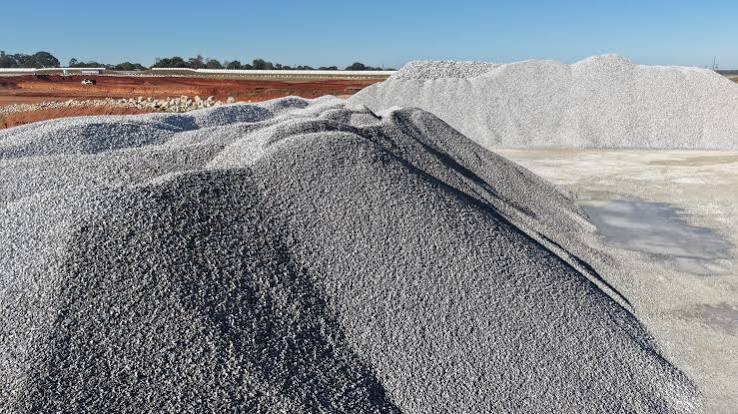
Few things go wrong faster than a loaded truck rolling over a sprinkler line or the fresh edge of a curb. Homeowners often spend weeks choosing the right stone and almost no time thinking about how it will reach the yard. Yet the path a truck takes from the street to the drop spot decides whether the day ends with a neat pile or a repair bill. When it comes to rock delivery in Madison, AL, a little route planning protects driveways, lawns, utilities, and neighbor relations alike. This guide covers the access routes that keep a property safe and how to prepare before the truck arrives.
Why Do Access Routes Matter Before the Truck Arrives?
A delivery truck is far heavier than anything a household normally parks at home. A fully loaded tandem can top 20 tons once the stone is aboard, and all of that weight settles onto whatever surface it crosses. Most residential driveways are poured for cars and light trucks. Thin edges crack, older slabs settle, and soft lawn soil turns into ruts after a single pass.
Nearly all of this damage is predictable. It rarely comes from careless driving. It comes from surprises on the day, like a narrow gate, a hidden pipe, or a wet yard nobody checked. Choosing the route ahead of time lets drivers use surfaces that can carry the load. It also lets homeowners fix small problems before the truck is even loaded.
Which Access Routes Are Safest for a Heavy Truck?
The safest route is usually the shortest hard-surface path between the street and the drop spot. A thick concrete or asphalt driveway, or an existing gravel pad, handles weight far better than turf. Straight approaches beat tight turns, because a sharp pivot drags tires across edges and tears up the corners of a driveway apron.
Width matters just as much. A clear lane of at least 12 feet gives a driver room to stay centered without brushing mailboxes, fences or shrubs. If the driveway is narrow or curves sharply, a drop near the curb or on a reinforced pad is often the smarter call. Cul-de-sacs and busy subdivision streets deserve extra thought, since turning room and parked cars can change which approach actually works.
What Hidden Hazards Should Be Marked Before Delivery?
Many of the costliest repairs come from things nobody can see. Sprinkler heads and shallow irrigation lines sit just beneath the surface, and a heavy wheel can snap them instantly. Septic tanks, drain fields, well caps, culverts under driveways, and buried utility lines are even more serious. They can collapse or fail under weight they were never designed to carry.
Walk the property and mark each one with flags or spray paint. Contact the state’s utility locating service if there is any doubt about what runs underground. Overhead hazards matter too. Low power lines, cable drops, and hanging limbs can catch a raised dump bed. Trimming branches and noting wire height beforehand keeps both the truck and the property safe.
How Can Homeowners Prepare the Route and the Delivery Day?
Preparation does not need to be complicated. Start by clearing the path of parked cars, trash bins, toys and decorations, and open any gates completely. Where the truck must cross a curb or sidewalk, plywood sheets or heavy-duty mats spread the load and prevent chipped edges. Avoid scheduling during or right after heavy rain, because wet ground is the quickest way to turn a clean drop into a lawn repair.
On the day itself, stay reachable and meet the driver if possible. Point out the exact drop spot and the route, and keep children and pets indoors until unloading ends. Drivers can often spread gravel along a driveway from the tailgate as they dump. They will avoid placing material too close to structures or on unstable ground, so follow their judgment. Afterward, take a quick walk to check for scrapes and report anything right away.

Why Does Local Experience Matter for Delivery in Madison?
Madison blends newer subdivisions, older rural lots, and fast-growing job sites, and each one presents different access puzzles. Clay-heavy soil softens quickly after storms, and some neighborhoods have tight streets or homeowner association rules about truck traffic. Drivers who work these roads every week already know where the trouble spots are.
That familiarity is a big part of why dependable rock delivery in Madison, AL goes smoothly when it is paired with a dispatcher who asks the right questions. Where is the drop spot? How wide is the entry? What is buried near the path? A local team such as North Alabama Rock & Dirt can talk through safer alternatives before anyone commits, instead of discovering the problem once the truck is already in the yard.
What Should Property Owners Remember Before Scheduling?
Protecting a property comes down to a few habits: choose a strong, straight route, mark everything hidden, and prepare the path before the truck rolls in. Homeowners who share clear details when booking give drivers what they need to make smart decisions on site. A scheduled rock delivery in Madison, AL should leave behind a tidy pile of material and nothing else, with no cracked curbs, no snapped lines, and no rutted grass. With a little planning, that outcome becomes the rule rather than the exception.
What Do Madison Homeowners Ask Most About Delivery Access?
-
How early should I plan access for rock delivery in Madison?
Ideally, walk the property a few days before the scheduled drop. Look at the driveway width, overhead branches, buried lines, and soft ground, then share those details when booking. Early planning gives the dispatcher time to suggest a safer path, adjust the truck size, or recommend protective boards so nothing is left entirely to chance on the actual delivery day.
-
Is a concrete driveway strong enough for a loaded truck?
Not always. Standard residential slabs are poured for passenger vehicles, so a loaded truck can crack edges or cause settling, especially on thin or older concrete. Asphalt can rut in summer heat. When the surface looks questionable, ask for a drop at the curb apron or on a gravel pad, and let the driver advise before committing to a route.
-
What should be moved before the truck arrives?
Clear the driveway of parked cars, trash bins, toys, and decorations. Open any gates fully, trim low branches, and mark sprinkler heads or shallow lines with flags. Keep children and pets indoors during unloading. A clear, visible path lets the driver work confidently and keeps the pile exactly where you want it, without any stressful last-minute scrambling on the day.
-
Can I choose the drop spot for rock delivery in Madison?
Yes, you can request a preferred spot, and the driver will confirm whether it is practical. Placement depends on safety, so drivers may decline locations too close to structures or on soft, unstable ground. Marking the spot with cones or paint and describing it clearly when ordering usually results in a quick, accurate, and damage-free drop for everyone involved on site.
-
What if rain softens the ground before the delivery date?
Call and reschedule. Saturated clay soil can swallow tires and leave deep ruts across a lawn that take months to recover. Most suppliers would rather move the date than repair a yard, and a short delay costs far less than regrading. Ask about a firmer drop point, such as the street edge or a gravel pad, if timing really matters.