




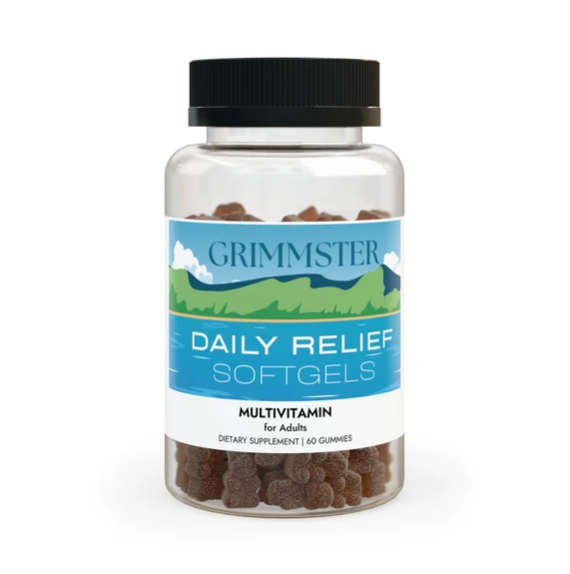
Let’s be honest, most athletes don’t love swallowing five giant tablets every morning. That’s the real reason gummy multivitamins for adults got so popular. They taste fine, they’re easy to remember, and you don’t need a glass of water to get them down. But easy isn’t the same as good. If you train hard, sweat a lot and eat on the run, your needs aren’t the same as somebody who sits at a desk all day. So the question isn’t really whether gummies work. It’s whether the one in your hand has the right stuff inside. At Grimmster Industries we spend a lot of time on exactly this, and this post is basically what we’d tell a friend standing in the supplement aisle, squinting at labels.
Start With the B Vitamins
B vitamins come first. Thiamin, riboflavin, niacin, B6, folate and B12 all help your body turn food into usable energy. They don’t hand you energy the way coffee does, and that’s a myth worth dropping right now. They just keep the machinery running. Athletes burn through more fuel, so these matter a bit more for you. B12 deserves a closer look if you eat little or no meat, since it’s found mostly in animal foods. Folate and B6 also play a part in making red blood cells and handling protein. Check the percent daily value on the label. Around 100% is normal for most B vitamins in a multi. If you see 5000% on something, ask why. Extra B vitamins mostly get flushed out, but B6 in big doses over a long time can irritate nerves.
Vitamin D Is the One People Miss
Vitamin D is a big one. It supports bones, normal muscle function and immune health. A lot of people run low, especially in winter, if they train mostly indoors, or if they have darker skin and live far from the equator. Look for D3 on the label, and look at the actual amount, because it swings wildly from brand to brand. The adult upper limit is generally set at 4,000 IU a day, so don’t stack a multi, a separate D pill and a fortified protein shake without adding it up. Honestly the smartest move is a simple blood test. Then you’re guessing less. A gummy can cover the basics, but it shouldn’t be your whole plan if your levels are already low.
Vitamin C, E and the Antioxidant Crowd
Vitamin C helps your body make collagen, which sits in your tendons, ligaments and skin, so it’s worth having. It also supports normal immune function. Vitamin E and beta-carotene show up in most multis as antioxidants. Here’s the catch though. Some research suggests that very high antioxidant doses right around training might blunt part of how your body adapts to exercise. The research isn’t settled. So a normal multivitamin amount is fine, but you don’t need to chase mega-doses. More isn’t better here. Look for vitamin K too, since it’s tied to bone health, and vitamin A in moderate amounts, because that one can build up in the body if you overdo it.
Minerals: Where Gummies Usually Fall Short
Here’s the part gummy brands don’t shout about. Minerals are bulky. Magnesium, calcium and iron take up real space, and a gummy is only so big. So you’ll often find tiny amounts of magnesium and calcium, and sometimes no iron at all. Zinc and selenium are easier to squeeze in, so those usually show up. For athletes this gap matters. Magnesium is involved in muscle and nerve function, and iron is important for carrying oxygen, especially for endurance athletes and women who train hard. But don’t take iron blindly. Too much is a real problem. Get your ferritin checked first, and if your gummy skips these minerals, cover them through food or a separate supplement your doctor is okay with.
Sugar, Fillers and What the Label Hides
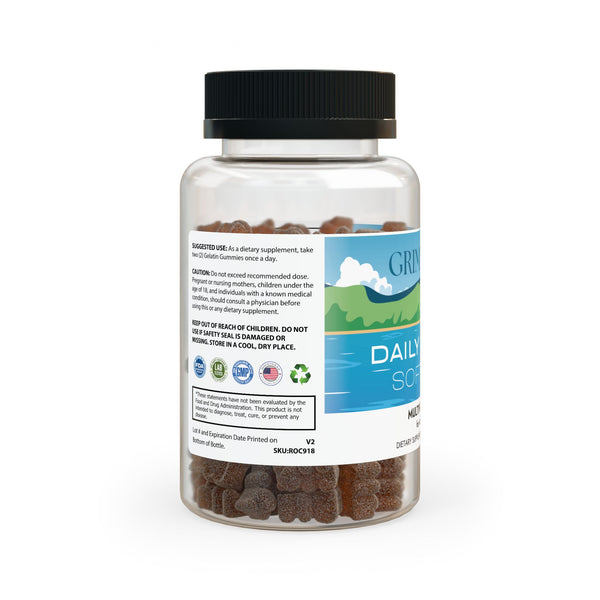
Read the back of the bottle, not the front. Gummies are candy-shaped, and many carry added sugar, sugar alcohols or artificial colors. A couple grams per serving is not a disaster, but it adds up if you’re taking more than one serving. Check what counts as a serving, too, because some brands need four gummies to reach the numbers they print. Pectin-based ones are usually plant-based, gelatin ones aren’t, so that’s worth a look if it matters to you. Watch out for “proprietary blends” that don’t tell you amounts. And keep them somewhere cool, since heat makes them sticky and potency can drift over time. A good gummy multivitamin for adults should be boring and clear about what’s in it.
Third-Party Testing Matters If You Compete
If you’re in a tested sport, this section is for you. Supplements can be contaminated with substances that aren’t listed on the label, and “I didn’t know” has never worked as an excuse with anti-doping bodies. Look for independent testing marks, like NSF Certified for Sport or Informed Sport. They aren’t a magic shield, but they’re a lot better than a brand just saying “clean.” Even if you’re a weekend runner or you lift at a regular gym, testing is still a good sign. It tells you somebody outside the company checked that what’s inside matches what’s printed. If a label doesn’t mention any testing at all, ask the brand directly.
Where Lasting Touch Advanced Analgesic Gel Fits In
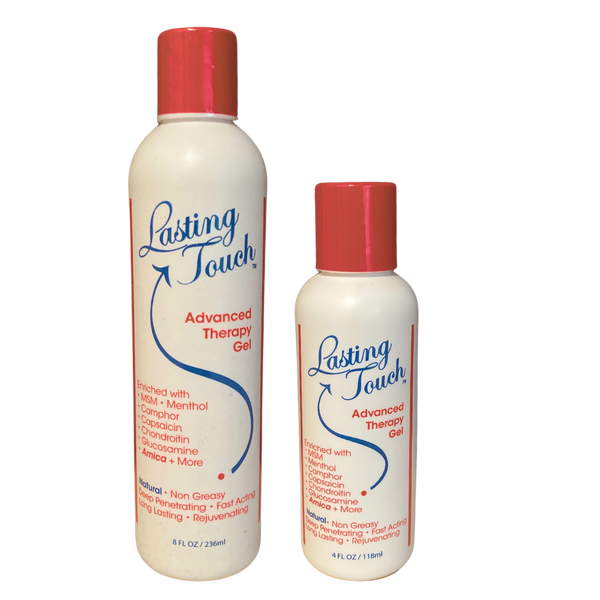
Vitamins support your body from the inside. They don’t fix a sore quad or a cranky shoulder after a hard session. That’s a different job. Some athletes keep a topical product like Lasting Touch Advanced Analgesic Gel in their gym bag for minor aches after training. Analgesic gels are generally used for temporary relief of small muscle and joint aches, but always read the label for the ingredients, directions and warnings. Don’t put it on broken skin, don’t use it with a heating pad unless the label says it’s okay, and test a small patch first. If your pain is sharp, getting worse or sticking around, skip the gel and see a doctor. It’s a small tool, not a treatment plan.
FAQs
Can gummy vitamins replace a regular multivitamin?
For many people they cover the basics. The gaps are usually minerals like iron, magnesium and calcium. If your diet or blood work shows a gap, you might need something more.
Should athletes take more vitamins than other people?
Not automatically. Needs can be higher with heavy training, but most athletes get plenty from food. Take what your diet is missing, not what the biggest number says.
Can I use Lasting Touch Advanced Analgesic Gel with my vitamins?
They do different things, one is taken by mouth and one goes on the skin, so they don’t usually overlap. Follow the directions on the gel’s label, and ask a pharmacist if you take other medicines.
How many gummies should I take a day?
Whatever the label says, and no more. They taste like candy, which makes it easy to overdo. Keep them away from kids.
Conclusion
So, what should you look for? B vitamins, a solid amount of vitamin D3, sensible vitamin C and E, and a clear idea of which minerals the gummy leaves out. Then check the sugar, the serving size and whether anyone independent tested the thing. That’s really it. The best gummy multivitamins for adults won’t be flashy, they’ll just be honest about what’s inside. Food still comes first, and a blood test beats guessing every time. If you’re unsure, talk to a doctor or a sports dietitian before you stack supplements. Grimmster Industries wants you to make the call with the facts in front of you, not the marketing.