






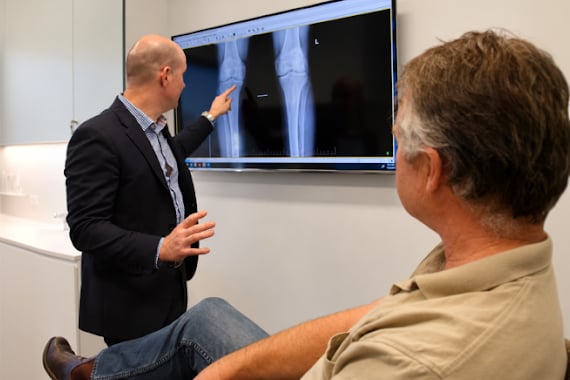
Recovering from meniscus repair surgery involves several stages, from protecting the repaired tissue to restoring strength and movement. Each stage supports healing and helps the knee regain stability. Recovery timelines depend on the tear’s location, surgical technique and individual progress. Understanding these milestones helps patients prepare for rehabilitation and follow their surgeon’s advice throughout recovery.
Why Recovery Takes Time
Meniscus repair involves stitching torn cartilage together to encourage healing while preserving the knee’s natural cushioning. The repaired tissue needs time to heal before tolerating increased pressure, bending and twisting movements.
Recovery depends on the tear’s size, location and blood supply. Additional procedures, such as anterior cruciate ligament reconstruction, may affect rehabilitation. Surgeons adjust movement restrictions, weight-bearing limits and exercises according to individual healing progress.
Recovery Milestones Week by Week
Recovery generally follows these stages, although individual rehabilitation plans may vary:
| Timeframe | Recovery Focus | Typical Milestones |
| Weeks 1–2 | Protection | Swelling management and gentle movement |
| Weeks 3–6 | Controlled mobility | Gradual bending and permitted weight-bearing |
| Weeks 7–12 | Strengthening | Improved walking and muscle control |
| Weeks 13–16 | Conditioning | Better strength, balance and coordination |
| Months 4–9+ | Advanced rehabilitation | Running and sport-specific training when cleared |
These milestones provide general guidance. Progress depends on clinical assessments and surgical restrictions.
Early Weeks: Protecting the Repair
During the first six weeks, rehabilitation focuses on protecting the repaired meniscus while maintaining safe movement. Patients may receive instructions covering:
- Knee Brace: Supports the knee and restricts movement when prescribed.
- Crutches: Help manage weight-bearing according to surgical instructions.
- Swelling Management: Ice and elevation help relieve discomfort.
- Gentle Exercises: Maintain permitted movement and muscle activation.
Following these precautions supports healing before strengthening begins.
Middle Weeks: Rebuilding Strength
Between weeks seven and twelve, rehabilitation focuses on improving walking, muscle strength and joint control. Recommended activities may include:
- Stationary Cycling: Encourages controlled movement and endurance.
- Balance Exercises: Improve stability and coordination.
- Strength Training: Strengthens thigh and hip muscles.
- Mobility Exercises: Gradually restore permitted knee movement.
Physiotherapists adjust exercise intensity according to individual progress.
Returning to Running and Sport
Running may begin around four to six months after repair, depending on healing, strength and functional assessments. Jumping, pivoting and rapid directional changes usually require further rehabilitation. A sports injury specialist may assess strength, balance and movement before recommending sport-specific training. Returning to demanding sports often takes six to nine months or longer, particularly after complex repairs.
Getting the Most From Recovery
Consistent rehabilitation and clinical reviews support recovery. Helpful practices include:
- Follow Rehabilitation Plans: Complete prescribed exercises regularly.
- Monitor Symptoms: Report increasing pain, swelling or movement difficulties.
- Allow Recovery Time: Balance exercises with adequate rest.
- Attend Follow-Ups: Review progress and activity restrictions.
These habits support steady rehabilitation and safer progression of activity.
Conclusion
Recovery after meniscus repair surgery progresses from protecting the repaired tissue to restoring movement, rebuilding strength and returning to physical activities. Each milestone reflects improvements in knee function, although individual timelines vary. Following personalised rehabilitation advice, attending regular assessments, and increasing activity gradually can support healing. Patients should follow their surgeon’s instructions throughout recovery to achieve the best possible functional outcome.