




Understanding Modern Audio Visual Technology
Audio visual technology has become an important part of modern homes and businesses. From televisions and surround sound systems to projectors and distributed speakers, connected equipment can make entertainment more convenient. A well-planned setup allows different devices to work together while keeping controls accessible and reducing unnecessary cables or complicated operating steps.
Exploring Professional Audio Visual Options
Audio Visual Solutions Tempe AZ can help property owners create entertainment environments that match their spaces and preferences. Available options may include home theater systems, multi-room audio, television installation, projection equipment, and integrated device controls. Before choosing a setup, consider room dimensions, viewing habits, sound preferences, and the equipment you already own.
Planning the Right System for Your Space
Every room has different requirements for sound, display quality, lighting, and equipment placement. A large entertainment room may benefit from a projector and surround sound, while a smaller living area may need a wall-mounted television and compact speakers. Measuring the space and identifying seating positions can help determine suitable equipment and installation locations.
Choosing Suitable Audio Equipment
Speakers, amplifiers, soundbars, and receivers each contribute to the listening experience. The best combination depends on room size, desired sound quality, and the type of content being played. Consider speaker placement, connectivity, and compatibility before purchasing equipment. A balanced system should provide clear sound without overwhelming the room or creating unnecessary complexity.
Selecting Display and Video Components
Televisions and projectors offer different advantages depending on the room and viewing requirements. Screen size, resolution, brightness, viewing distance, and available wall space should all influence the decision. Consider natural light and window placement when choosing a display. Proper positioning can improve visibility and make watching movies, sports, or presentations more comfortable.
Integrating Smart Home Technology
Smart Home Services may bring entertainment equipment, lighting, climate controls, and other connected devices together through a centralized system. Depending on the products selected, homeowners may use a mobile application, touchscreen, or voice commands to manage different functions. Confirm device compatibility and network requirements before installation to avoid limitations when connecting equipment from different manufacturers.
Improving Wireless Connectivity
A dependable home network supports many modern audio visual and smart devices. Streaming televisions, wireless speakers, security equipment, and automation controls may all rely on consistent connectivity. Consider router placement, network coverage, and the number of connected devices throughout the property. Larger homes may benefit from additional access points or other suitable networking improvements.
Organizing Equipment and Cables
An organized installation makes an entertainment area easier to use and maintain. Equipment cabinets, cable management systems, and suitable mounting hardware can reduce visible clutter while keeping components accessible. Leave enough space for ventilation around devices that produce heat. Clearly organized connections can also simplify troubleshooting and future equipment upgrades.
Considering Lighting and Room Acoustics
Lighting and sound conditions can influence how effectively an audio visual system performs. Glare from windows or bright fixtures may affect screen visibility, while hard surfaces can create unwanted sound reflections. Curtains, rugs, furniture, and appropriate lighting controls can help improve the environment. Consider these factors during planning rather than waiting until all equipment has been installed.
Understanding Professional Installation
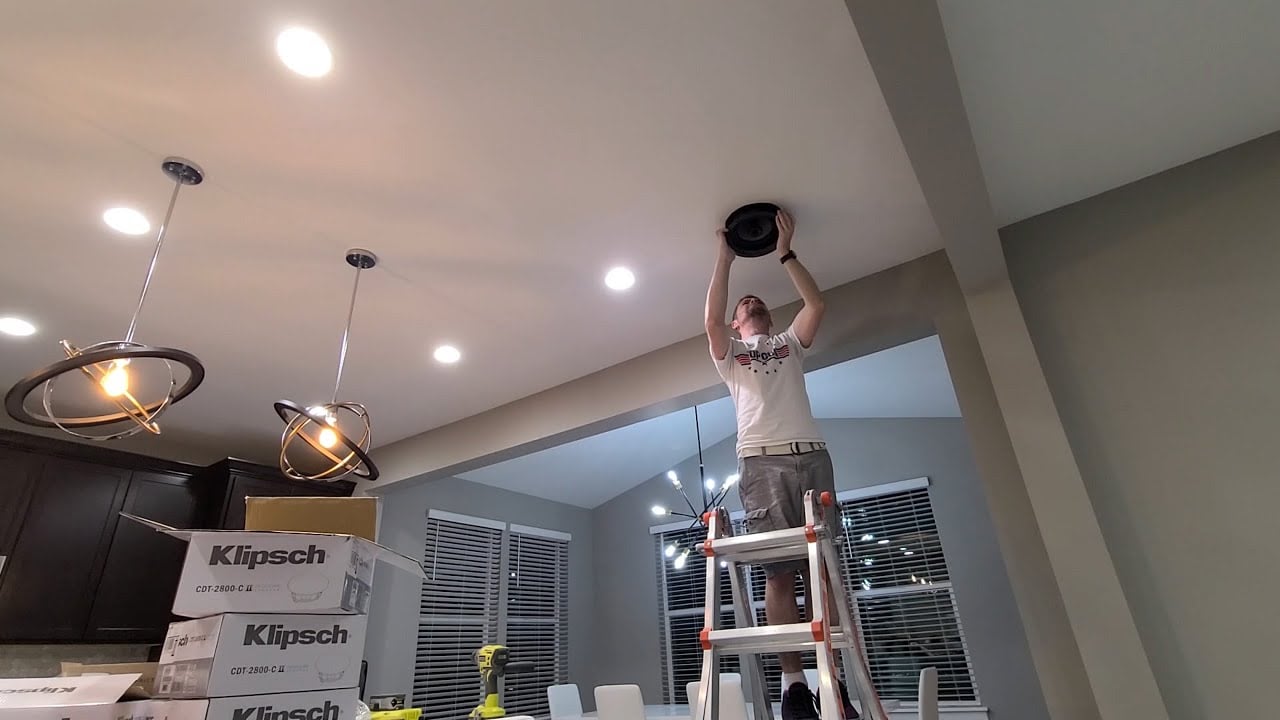
Professional installation may involve mounting displays, positioning speakers, connecting equipment, configuring network access, and testing system controls. The exact work depends on the selected products and property layout. Before scheduling a project, ask which services are included, whether wiring or structural modifications are necessary, and how the completed system will be tested.
Maintaining Connected Home Systems
Routine maintenance helps keep audio visual equipment and connected devices working reliably. Keep components free from excessive dust, check cables for visible damage, and install software updates when recommended by manufacturers. Review device settings occasionally and replace outdated equipment when necessary. Maintaining network security through strong passwords and appropriate updates is also important for connected systems.
Planning for Future Technology Needs
Technology changes regularly, so it is useful to consider future upgrades when designing an entertainment or automation system. Choose equipment with suitable connectivity options and allow room for additional devices where practical. Discuss expansion possibilities with the installer, especially if you may add more speakers, displays, or smart controls later.
Creating a More Convenient Connected Home
A successful audio visual setup combines suitable equipment, thoughtful placement, dependable connectivity, and easy-to-use controls. Careful planning helps property owners select technology that fits their spaces without adding unnecessary complexity. By considering current entertainment needs and future improvements, homeowners can create a connected environment that supports everyday convenience and enjoyable experiences.