



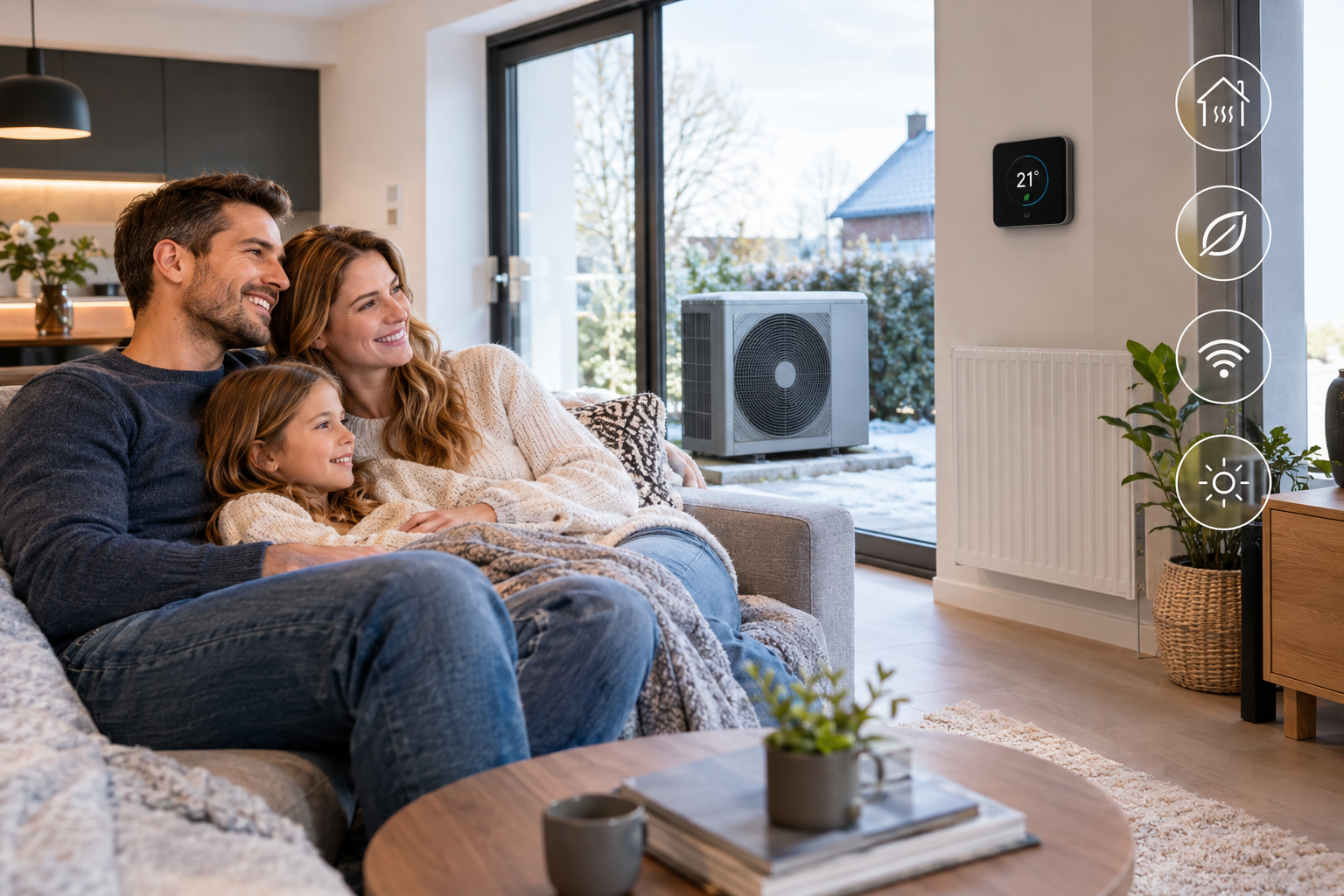
A comfortable home is about more than having warm rooms during the winter. It means maintaining a pleasant indoor temperature, enjoying consistent warmth throughout the house, and managing energy consumption without unnecessary expenses. Traditional heating systems can sometimes struggle to deliver all these benefits, especially in homes with poor insulation or outdated equipment. Modern heating technology offers practical solutions that make everyday living more comfortable, efficient, and convenient.
From intelligent thermostats to heat pumps and advanced radiators, today’s heating solutions allow homeowners to control their indoor environment more effectively. Choosing the right system can also help reduce energy waste and support a more sustainable lifestyle. With guidance from experienced professionals such as Dura Groep Nederland, homeowners can explore suitable options for their property, energy requirements, and long-term comfort goals.
1. Understanding the Benefits of Modern Heating Technology
Modern heating technology focuses on delivering the right amount of heat when and where it is needed. Instead of operating continuously at a fixed level, many newer systems adjust their performance according to indoor temperatures, outdoor conditions, and household routines.
This flexibility helps maintain a more stable indoor climate. For example, a well-designed heating system can warm living spaces efficiently in the morning, maintain comfortable temperatures throughout the day, and reduce heating output when rooms are not in use.
Another important benefit is improved temperature control. Older systems may create noticeable differences between rooms, leaving some areas too warm while others remain chilly. Modern solutions can help minimise these differences through improved controls, better heat distribution, and carefully planned installation.
For homeowners, the result is a more pleasant living environment with greater control over everyday energy use.
2. How Heat Pumps Support Efficient Home Heating
Heat pumps are an increasingly popular option for homeowners looking to improve comfort while using energy more efficiently. Rather than generating all their heat through combustion or electrical resistance, heat pumps transfer existing heat from the outdoor air, ground, or another suitable source into the home.
An air-source heat pump, for instance, extracts heat from the outside air and transfers it indoors. Even when outdoor temperatures are relatively low, there is usually some available heat that the system can capture. Its performance depends on factors such as outdoor conditions, system design, and the home’s insulation.
One major advantage is that heat pumps can provide steady warmth at relatively low water temperatures. This makes them particularly suitable for underfloor heating and appropriately sized radiators. These heat emitters distribute warmth gradually, helping create a comfortable indoor atmosphere.
However, selecting the right heat pump requires careful consideration. The property’s insulation, heating demand, available space, and existing heating infrastructure all influence performance. A professional assessment helps determine whether a heat pump, hybrid arrangement, or another solution is the most practical choice.
With the right planning, heat pumps can support efficient home heating while reducing dependence on conventional fossil-fuel heating.
3. Smart Thermostats and Better Temperature Control
Modern heating systems become even more useful when combined with smart thermostats. These devices give homeowners greater control over indoor temperatures through programmable schedules, mobile applications, and, in some cases, learning features that adapt to daily routines.
For example, a household can schedule lower temperatures during working hours and restore comfortable warmth before everyone returns home. This reduces unnecessary heating without sacrificing comfort when the rooms are needed.
Some smart thermostats also provide energy-use insights, helping homeowners understand how their heating habits affect consumption. Certain systems support individual room controls, allowing bedrooms, living areas, and other spaces to maintain different temperatures according to their use.
It is important to remember that smart controls work best when they are compatible with the heating equipment. Incorrect settings or poorly configured controls can reduce the expected benefits.
A properly configured thermostat makes temperature management easier, improves convenience, and helps homeowners avoid heating empty rooms unnecessarily.
4. Modern Heating Systems and a Healthier Indoor Environment
Comfort is not determined by temperature alone. Indoor humidity, air movement, and the distribution of heat can also influence how a home feels throughout the day.
Modern heating technology can help maintain more consistent temperatures and reduce the uncomfortable hot and cold spots sometimes associated with older systems. Underfloor heating, for example, distributes warmth across a broad surface, creating a gentle and relatively even temperature throughout the room.
Correctly designed heating can also help limit condensation risks by keeping indoor surfaces warmer. However, heating alone cannot solve every moisture problem. Adequate ventilation, effective insulation, and timely repairs are equally important for managing indoor humidity and preventing mould growth.
Homeowners should also avoid excessive heating, particularly in bedrooms and smaller spaces. A balanced temperature throughout the home can improve comfort without wasting energy.
When selecting moderne verwarmingssystemen, it is therefore worth considering how the equipment will work alongside ventilation, insulation, and the overall design of the property. A whole-home approach generally delivers better results than upgrading a heating unit in isolation.
5. Combining Heating Technology with Insulation and Renewable Energy
Even the most advanced heating system cannot perform at its best if a home loses heat rapidly. Poorly insulated roofs, walls, floors, and windows allow warmth to escape, forcing the heating equipment to work harder to maintain the desired temperature.
Improving insulation and reducing draughts can lower heating demand and make indoor temperatures more stable. These improvements may also allow homeowners to choose smaller heating equipment, depending on the property’s revised heat requirements.
Renewable electricity can provide another opportunity to improve household energy performance. For example, homeowners with solar panels may use some of their generated electricity to operate a compatible heat pump. A home battery can help shift some electricity use to later periods, depending on its capacity, charging strategy, and household demand.
Nevertheless, the benefits depend on the system configuration, local energy tariffs, seasonal solar production, and how much electricity the household uses. Solar panels do not automatically eliminate winter heating costs.
By considering insulation, heating equipment, smart controls, and renewable energy together, homeowners can develop a practical strategy for long-term comfort and energy management.
6. Choosing the Right Heating Solution for Your Home
Every property has different heating requirements. A well-insulated new-build home may benefit from a different setup than an older property with limited insulation, existing radiators, or restricted installation space.
Before investing in new equipment, consider the size and layout of the home, the number of occupants, current energy consumption, and the condition of the existing heating system. It is also useful to think about future plans, maintenance requirements, available budget, and the level of control you want over individual rooms.
Professional advice can help identify the most suitable combination of equipment and improvements. Dura Groep Nederland can be a starting point for homeowners exploring modern heating options and looking for solutions that fit their property and comfort expectations.
Ask for a clear explanation of expected performance, installation requirements, maintenance needs, and estimated running costs. Comparing options on the basis of total ownership costs, rather than the purchase price alone, can help you make a more informed decision.
Ultimately, the best heating system is not necessarily the newest or most expensive one. It is the system that meets your household’s needs reliably, uses energy sensibly, and provides consistent comfort throughout the year.
Conclusion
Modern heating technology gives homeowners more ways to create comfortable, energy-conscious living spaces. Heat pumps, smart thermostats, improved heat distribution, and renewable energy integration can all contribute to better temperature control and more efficient operation.
The greatest benefits usually come from combining the right technology with effective insulation, suitable controls, and professional system design. By investing in efficient home heating and selecting appropriate moderne verwarmingssystemen, homeowners can enjoy a more comfortable indoor environment while making informed decisions about their long-term energy use.
With careful planning and support from knowledgeable professionals, improving home comfort can become a practical investment in everyday living, energy management, and the future of your property.