







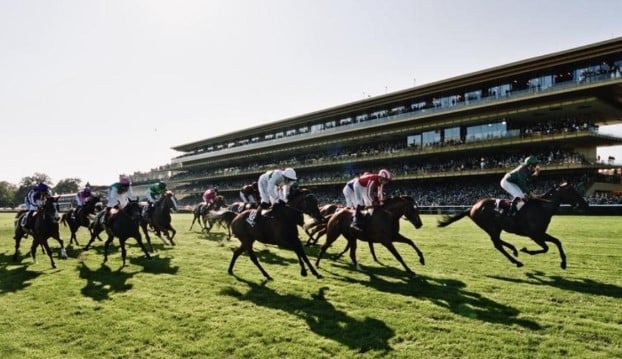
Horse racing has a long tradition in southern India, and few venues are as closely followed as the Hyderabad Race Club. Its meetings draw owners, trainers, jockeys, and racegoers from across the region. Understanding the basics of horse racing can make it easier to follow race schedules, track performances, and interpret results. For anyone new to the sport, the terms, formats, and results sheets can seem confusing. This article explains where the course is, how the racing calendar works, and how to read a result so you can follow each meeting with confidence.
Location and Background
The racecourse is at Malakpet in Hyderabad, Telangana, and the venue is home to thoroughbred racing. Racing in the city goes back to the days of the Deccan races. Operations under the Hyderabad race club name began in 1961 in Secunderabad and moved to Malakpet in 1968, when racing was revived. The course has a grandstand, a mounting enclosure, and a jockey club stand, giving spectators several places to watch from.
The Racing Calendar
Racing is organised into seasons. Monsoon races typically run from July to October, and winter races run from November to February. Fixtures can change because of weather, health protocols, or scheduling, so it is worth checking official notices before travelling. Every Hyderabad Horse Race meeting publishes a race card in advance, listing the runners, jockeys, trainers, weights, and distances. Prize money also varies by race, with feature races usually offering the largest purses.
Race Classes and Distances
Races are grouped by class, which reflects the ability level of the runners. Plates, trophies, and cups add prestige and larger prize money. Distances are given in metres. A sprint of around 1,200 metres tests early speed, while longer races reward stamina and tactical riding. Reading class and distance together gives a first idea of how a race may unfold.
How to Read a Result
A Hyderabad Horse Race result normally lists finishing positions, horse names, jockeys, trainers, and winning times. Many also show margins between horses, ratings, and the owner’s name. The winning time is recorded to a fraction of a second, so even close finishes can be separated. Dividends, which show what winning tickets paid, are published by the club after each race. When you study results, look beyond the winner. A horse that ran on strongly for second may improve next time, while a beaten favourite may simply have met unsuitable ground or a different distance.
Why Trainers and Jockeys Matter
Form is more than the horse. Trainers prepare runners for specific races, and their recent results show how a stable is performing. Jockeys influence tactics, from the start to the final furlong, and a rider who knows the track can save vital ground. Watching how trainer and jockey combinations perform across a meeting at the Hyderabad Race Club can reveal patterns worth noting.
Race Day Basics
If you attend in person, check the entry rules and arrive early. Many racegoers watch the mounting enclosure before each race to see how the runners look and behave. Note the weather, since ground conditions can change how a horse performs, and follow venue rules on conduct and safety.
Following a Meeting Sensibly
Confirm the day’s programme, declared runners, and any late changes on the official race card, since jockey changes and withdrawals can alter a field. Racing is unpredictable, and horses can run form below for many reasons. Treat previews and tips as opinions, not guarantees. If you choose to bet, check the rules that apply where you live, set a budget in advance, and never stake money you cannot afford to lose.
Conclusion
Following racing becomes easier once you understand the venue, the calendar, and the language of the race card. Learn how classes and distances work, read results carefully, and treat every tip as one opinion among many. For readers who want news, results, and updates, check Racebuzz for coverage of racing.