


Norway is famous for its dramatic fjords, towering mountains, and breathtaking hiking trails. Places such as Trolltunga, Preikestolen, and the Lofoten Islands attract visitors from around the world, especially during summer. While these iconic destinations deserve their reputation, there is another side of Norway waiting to be discovered by travellers who prefer peaceful landscapes and less crowded paths.
Choosing to explore Norway beyond the crowds means slowing down, discovering lesser-known regions, and enjoying nature without constantly sharing the views with other hikers. From quiet mountain valleys and remote coastal paths to forest trails and traditional villages, Norway offers countless opportunities for memorable outdoor adventures.
Whether you are an experienced trekker or a casual walker, exploring less-visited areas can help you experience the country’s natural beauty in a more personal way. With thoughtful planning and a spirit of adventure, you can discover some of the most rewarding Norway hiking experiences away from the busiest tourist routes.
1. Explore the Quiet Valleys of Valdres
Located between major mountain regions in southern Norway, Valdres is an excellent choice for travellers seeking beautiful scenery without the intensity of the most famous hiking destinations. The region features rolling mountains, sparkling lakes, traditional farms, and trails that pass through peaceful countryside.
Hikers can explore routes around Beitostølen and the surrounding mountain areas, choosing anything from gentle walks to more demanding full-day adventures. Nearby sections of the Jotunheimen mountain region offer opportunities for those looking for higher elevations and expansive views.
One of Valdres’s greatest advantages is its variety. You can spend the morning walking beside a mountain lake and the afternoon visiting a traditional village or enjoying a meal made with local ingredients.
For a more peaceful experience, consider travelling outside the busiest summer weekends. Early autumn can bring colourful landscapes and crisp mountain air, although weather conditions and daylight hours need careful consideration.
2. Discover Hidden Hiking Spots in Norway’s Fjord Regions
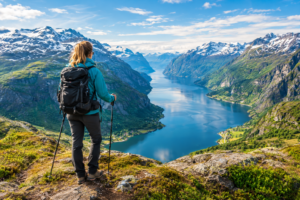
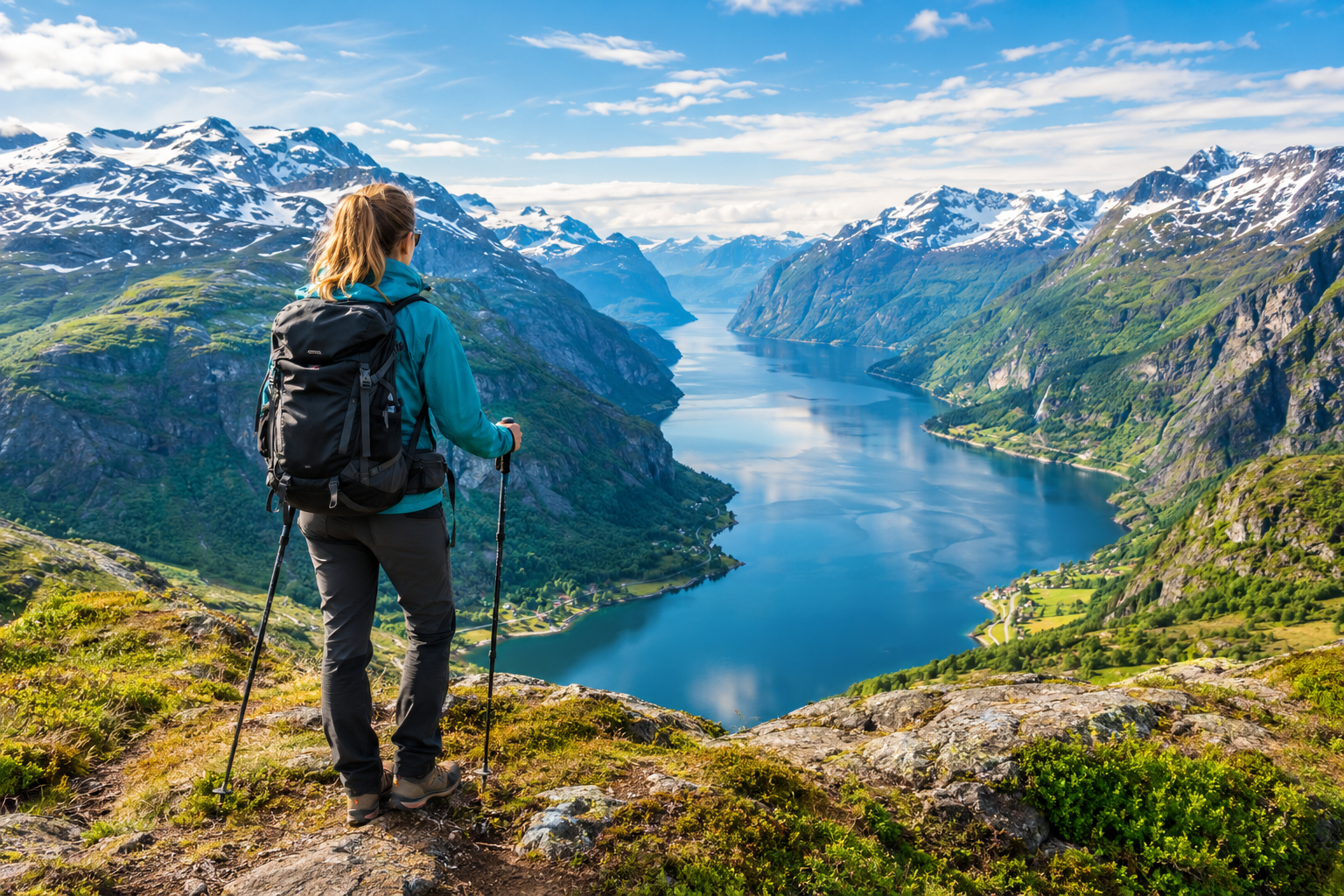
Norway’s fjords are among its most recognisable natural features, but many visitors concentrate on a small number of famous viewpoints. Looking beyond these popular locations can reveal quieter paths, small settlements, and beautiful landscapes that reward curious travellers.
The Nordfjord region, for example, combines dramatic mountains, deep blue water, and rural communities. Depending on your fitness level, you can find shorter walks near villages or challenging mountain routes with panoramic views.
Sunnmøre is another rewarding area, particularly for hikers who enjoy rugged peaks and spectacular fjord scenery. Although some routes are well known locally, the wider region offers alternatives to the busiest hiking hotspots.
When searching for hidden hiking spots in Norway, remember that a trail does not need to be completely unknown to feel special. A lesser-visited route, a quieter starting point, or a weekday departure can make a substantial difference.
Always check local trail conditions before setting out. Steep terrain, slippery rock, rapidly changing weather, and snow patches can make seemingly short hikes more demanding than expected.
3. Experience the Peaceful Trails of Femundsmarka
For travellers who want to escape busy viewpoints altogether, Femundsmarka National Park offers a different kind of Norwegian adventure. Situated in eastern Norway near the Swedish border, this remote wilderness area is known for its lakes, pine forests, open rocky terrain, and sense of solitude.
Instead of dramatic tourist viewpoints, the landscape invites you to appreciate smaller details: sunlight filtering through trees, clear water along the shoreline, and the quiet atmosphere of the forest.
Femundsmarka is particularly appealing to hikers who enjoy multi-day adventures, although shorter excursions can also be planned around accessible areas. Some routes involve rough terrain, limited facilities, and long distances between services, so preparation is essential.
Bring suitable navigation equipment, sufficient food and water, and clothing for changing conditions. If you plan an overnight trek, research camping regulations and established facilities before departure.
This region demonstrates that Norway hiking experiences are not always about reaching the highest summit. Sometimes, the most rewarding journey is simply spending a day immersed in nature, far from crowded tourist centres.
4. Walk Along Norway’s Less-Visited Coastal Paths
Norway’s coastline offers a wonderful alternative to strenuous mountain hikes. Across regions such as Helgeland and parts of Vesterålen, walkers can discover coastal scenery, fishing villages, open beaches, and trails with expansive views across the Norwegian Sea.
Helgeland, in particular, is known for its scattered islands and varied coastal landscapes. Depending on the location, a hiking day might involve walking beside the sea, climbing a modest hill, or combining a trail with a ferry journey.
Vesterålen provides another option for travellers who want island scenery without focusing exclusively on the busiest parts of neighbouring Lofoten. Its beaches, mountain silhouettes, and small communities make it appealing to photographers and nature lovers.
Coastal hiking is not necessarily easier than mountain walking. Exposed sections can become windy, rain can arrive quickly, and rocky surfaces may be slippery. Check local forecasts, ferry schedules, and route information before travelling to remote trailheads.
For the best experience, allow time to explore the surrounding communities as well. Local cafés, fishing harbours, and regional food can add cultural depth to your outdoor adventure.
5. Choose the Right Season for a Crowd-Free Hiking Adventure
Timing can be just as important as destination when planning a quieter hiking holiday. Norway’s main hiking season generally runs from late spring into early autumn, but conditions vary significantly according to altitude, latitude, and local weather.
June to August usually offers the longest daylight hours and access to many highland routes. However, popular destinations can become busy, especially during school holidays and on sunny weekends. Visiting lesser-known regions or starting early can help you avoid the largest crowds.
September can be particularly attractive for hikers who enjoy autumn colours and cooler temperatures. Some areas become quieter after the summer holidays, but shorter days and early snowfall at higher elevations may affect route choices.
May and early June can provide lovely experiences at lower elevations, although snow may still cover mountain trails. Do not assume that a route is safe or accessible simply because the weather is pleasant in a nearby town.
Before each hike, check local forecasts, trail updates, daylight hours, and seasonal transport schedules. Norway’s weather can change quickly, and flexibility is an important part of responsible outdoor travel.
6. Plan Responsibly and Make the Journey Your Own
A successful hiking adventure in Norway begins with choosing routes that match your experience, fitness, and available time. Research trail length, elevation gain, terrain, and transport connections before making a final decision.
Pack waterproof layers, sturdy footwear, food, water, a charged phone, and an offline map. For remote hikes, consider carrying a paper map and compass and telling someone your intended route and expected return time.
Respect Norway’s outdoor traditions and natural environment. The right to roam, known as allemannsretten, allows responsible access to much of the countryside, but it comes with obligations. Follow local restrictions, avoid disturbing wildlife, take rubbish home, and camp considerately. Protected areas and certain sensitive locations may have additional rules.
Most importantly, avoid choosing a dangerous route simply because it appears less popular. The best alternative to a crowded trail is one that offers a rewarding experience while remaining suitable for your abilities and the current conditions.
If you want to make your trip more personal, combine hiking with local food, cultural attractions, scenic drives, or stays in small villages. This approach creates a richer journey than simply moving from one famous viewpoint to another.
Conclusion: Find Your Own Path Through Norway
Norway’s most memorable hiking experiences do not always happen at its most photographed destinations. The quiet valleys of Valdres, the varied fjord landscapes of Nordfjord, the wilderness of Femundsmarka, and the coastal paths of Helgeland all offer opportunities to connect with nature at your own pace.
When you explore Norway beyond the crowds, you gain more than beautiful scenery. You have time to appreciate local culture, enjoy peaceful surroundings, and discover landscapes that suit your personal style of adventure.
Plan carefully, travel responsibly, and stay open to unexpected discoveries. Sometimes, the best part of a Norwegian hiking holiday is not reaching a famous summit but finding a quiet trail that makes you want to stay a little longer.