



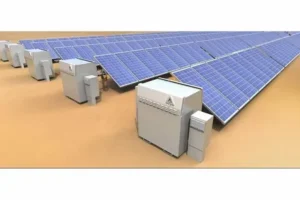

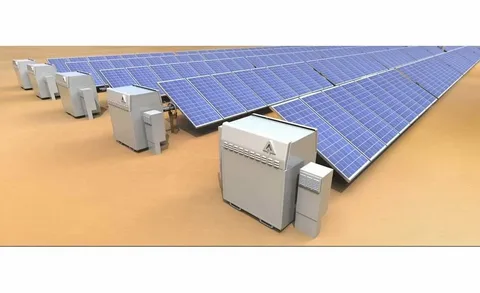
A residential battery system can help Australian homeowners make better use of the electricity generated by their rooftop solar panels. During sunny hours, solar panels may produce more electricity than a household needs. Instead of sending all the excess electricity back to the grid, a home battery can store some of it for use in the evening or at other times when solar generation is low.
With rising interest in home energy storage, many homeowners are exploring batteries to reduce their reliance on grid electricity and manage household energy costs. However, choosing the right system requires careful consideration of electricity consumption, battery capacity, installation costs, and future energy needs.
This guide explains how residential battery storage works, its main benefits, the factors to consider before installation, and how to determine whether a battery is suitable for your home.
What Is a Residential Battery System?
A residential battery system stores electricity for use at a later time. It is commonly installed alongside rooftop solar panels and connected to the home’s electrical system through compatible equipment.
A typical system includes a battery unit, an inverter or compatible power conversion equipment, safety controls, and monitoring features. The battery stores electrical energy, while the inverter manages the flow of electricity between the battery, solar panels, household appliances, and the grid.
For example, solar panels may generate more electricity than your home needs during the afternoon. The surplus can charge the battery, allowing your household to use the stored energy after sunset instead of immediately purchasing electricity from the grid.
Some systems can also provide backup power during an outage, but this feature depends on the system design and installation.
How Does a Residential Battery System Work?
A home battery works with your solar installation to manage electricity throughout the day.
1. Solar Panels Generate Electricity
During daylight hours, rooftop solar panels convert sunlight into electricity. Your home uses the power it needs to operate appliances, lighting, and other equipment.
2. Excess Electricity Charges the Battery
When solar generation exceeds household demand, the surplus electricity can be directed into the battery, provided the system is configured for battery charging.
3. Stored Energy Powers Your Home
In the evening, when solar panels generate little or no electricity, the battery can supply stored energy to compatible household circuits.
4. The Grid Supplies Additional Electricity
If the battery runs low or household demand exceeds the available supply, a grid-connected home can draw additional electricity from the grid.
This arrangement allows homeowners to use more of their own solar generation instead of relying entirely on grid electricity after sunset.
What Are the Benefits of a Residential Battery System?
Installing a home battery can offer several benefits, depending on your household’s energy usage and solar generation.
Reduce Electricity Bills
A battery allows you to use stored solar electricity during the evening and other periods when your panels are not generating enough power. This can reduce the amount of electricity you purchase from your retailer.
Your actual savings depend on your electricity tariff, battery efficiency, usage patterns, and installation cost.
Make Better Use of Solar Energy
Without a battery, excess solar electricity is often exported to the grid. A battery can store some of this energy for later use, helping you increase the proportion of solar electricity consumed at home.
Access Backup Power
Some battery systems can supply selected household circuits during a power outage. This can be useful for essential appliances, lighting, and communication devices.
However, not every battery installation includes backup functionality. Confirm which circuits will remain operational and how long the battery can supply them before choosing a system.
Improve Energy Management
Battery monitoring tools can help you understand how much electricity your home generates, stores, and consumes. This information can help you adjust appliance usage and make better decisions about household energy consumption.
How Do You Choose the Right Residential Battery System?
Selecting a suitable battery involves more than choosing the largest available capacity. Consider the following factors before making a decision.
Household Electricity Consumption
Review your electricity bills to understand your daily usage and when your household consumes the most power. Evening and overnight consumption are particularly important when estimating the battery capacity you may need.
Battery Capacity
Battery capacity is measured in kilowatt-hours (kWh). It indicates how much energy the battery can store, while usable capacity represents the energy available for household use.
A smaller battery may suit a household with modest evening demand, while a home with greater electricity consumption may need more storage. The right size also depends on how much surplus solar energy is available to charge the battery.
Compatibility With Existing Solar Panels
If you already have solar panels, check whether your existing inverter supports battery integration. Some installations may require additional equipment or an inverter upgrade.
An installer can assess your current system and recommend a compatible solution.
Warranty and Safety
Compare battery warranties, expected performance, product specifications, and manufacturer support. Make sure the battery is approved for installation in Australia and that the installation is completed by appropriately accredited professionals.
What Is the Cost of a Residential Battery System?
The cost of a residential battery system varies according to its capacity, manufacturer, inverter requirements, installation complexity, and additional features.
A system with greater storage capacity will generally cost more than a smaller one. Costs may also increase if your home requires switchboard upgrades, additional electrical work, or backup power equipment.
Australian homeowners may be eligible for support through the federal Cheaper Home Batteries Program. The program provides a discount on eligible battery installations connected to new or existing solar systems, subject to the applicable requirements. The discount structure changed on 1 May 2026, so the amount available depends on the battery and installation details.
Before proceeding, request a written quote that clearly identifies the total cost, applicable discount, warranty coverage, and estimated payback period. Compare multiple quotes and assess whether the expected savings justify the investment.
Residential Battery System vs Commercial Solar Systems
A residential battery system is designed around household electricity consumption, rooftop solar generation, and domestic energy requirements. Its main purpose is to help homeowners store electricity and use it when their solar panels are not generating enough power.
In comparison, commercial solar systems are designed to meet the electricity requirements of businesses, including offices, warehouses, retail stores, and manufacturing facilities. These systems may require larger generation capacities and different designs based on operating hours and energy demand.
Businesses may also consider battery storage to manage electricity usage and store excess solar generation. However, the appropriate solution depends on the property’s energy profile, available space, and operating requirements.
Whether planning a home installation or exploring commercial solar systems, a professional assessment helps determine the right equipment and system capacity.
Conclusion
A residential battery system can help Australian homeowners store surplus solar electricity, use more of their own generated power, and reduce their reliance on grid electricity. The benefits depend on choosing the right battery capacity, ensuring compatibility with your solar panels, and understanding your household’s energy requirements.
Before installing a battery, compare quotes, check available government incentives, and confirm warranty and backup power options. A well-designed system can help you manage household electricity more effectively and make better use of your existing or planned solar installation.
Frequently Asked Questions
Can I install a residential battery system without solar panels?
The federal Cheaper Home Batteries Program requires eligible batteries to be connected to a new or existing solar PV system. Other battery configurations may be technically possible, but eligibility for incentives depends on the applicable program rules.
Will a home battery keep my electricity running during a blackout?
Only if the battery installation includes suitable backup functionality. Ask your installer which appliances and circuits can operate during an outage.
How long does a residential battery system last?
Battery lifespan depends on its technology, usage, operating conditions, and manufacturer specifications. Review the warranty and any guaranteed remaining capacity at the end of the warranty period.
Is a residential battery system worth installing?
It may be worthwhile if your home generates surplus solar electricity and uses significant power in the evening. Compare the installation cost with realistic savings before making a decision.