




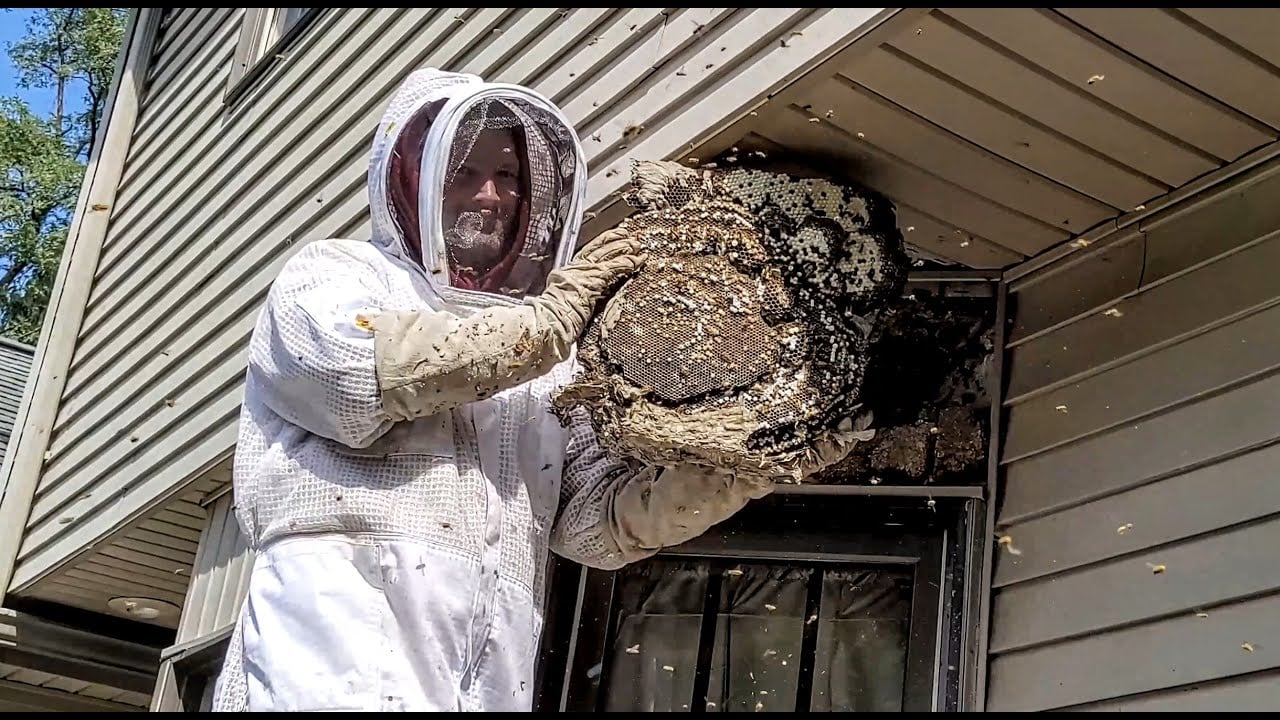
Recognizing Wasp Activity Around Your Property
Wasps can become a concern when they build nests near homes, businesses, outdoor seating areas, or frequently used entrances. Their presence may make everyday activities uncomfortable, especially when people accidentally approach a nest. Different species have different nesting habits and behaviors, so identifying the insects and understanding where they are gathering can help determine the appropriate response.
Knowing When Professional Wasp Removal Is Necessary
When dealing with an established nest, Wasps Extermination Services near Fort Wayne IN can help property owners address the problem using suitable methods. Professional assistance may be especially important when nests are located inside wall cavities, beneath roof edges, in attics, or near busy walkways. A qualified technician can assess the species, nest location, and surrounding conditions before recommending an appropriate treatment.
Understanding Where Wasps Commonly Build Nests
Wasps may build nests in trees, shrubs, roof overhangs, sheds, garages, wall cavities, and other sheltered locations. Some species create visible paper-like nests, while others establish colonies underground or in concealed spaces. Regularly observing areas around the property can help identify unusual insect activity. Avoid touching or disturbing a suspected nest, since defensive wasps may respond aggressively when their colony is threatened.
Identifying Different Types of Wasps
Several wasp species may be found around residential and commercial properties. Paper wasps often create open, umbrella-shaped nests beneath sheltered surfaces, while yellowjackets may nest underground or inside structural cavities. Hornets can build larger enclosed nests in trees or other protected locations. Accurate identification matters because nesting habits, colony behavior, and suitable removal methods can differ between species.
Understanding the Risks of Disturbing a Nest
Wasps may sting when they perceive a threat to their nest. Multiple insects can become defensive at once, creating a risk for people working or spending time nearby. Individuals with severe sting allergies may face particularly serious health concerns. Attempting to knock down a nest, block its entrance, or spray it without proper preparation can increase the danger, making professional assessment a safer option.
Exploring Professional Pest Management Solutions
Pest Control Services can help property owners manage wasps and other unwanted insects through inspection, treatment, and prevention recommendations. The appropriate approach depends on the pest species, infestation location, property conditions, and potential risks to occupants. Before arranging service, ask whether the provider will identify the insect, explain the proposed treatment, discuss safety precautions, and recommend follow-up steps when necessary.
Understanding the Nest Removal Process
Professional treatment generally begins with examining the nest location and assessing how accessible it is. Technicians may consider nearby entrances, occupied areas, weather conditions, and the possibility of hidden nesting spaces. Depending on the species and situation, treatment may involve targeted applications or other appropriate control methods. The provider should explain when the treated area can be safely approached and whether additional work is required.
Taking Precautions Around Children and Pets
Children and pets should remain away from active nests and areas where wasps are frequently gathering. Outdoor play equipment, garden seating, and pet feeding stations may need temporary relocation if they are close to an affected area. Avoid leaving sweet drinks, exposed food, or uncovered garbage outside, since these materials can attract certain wasps. Following professional instructions helps reduce unnecessary contact during treatment.
Preventing Wasps From Returning
After a nest has been addressed, property owners can reduce attractive conditions around the building. Keep garbage containers covered, clean food spills promptly, and inspect outdoor storage areas for possible nesting locations. Repair damaged screens and seal suitable gaps around exterior openings when appropriate. These steps may discourage some nesting activity, although they cannot guarantee that wasps will not establish another colony.
Understanding Treatment Costs and Service Estimates
Wasp removal costs can depend on nest size, species, location, accessibility, treatment requirements, and the number of affected areas. A nest inside a wall or high roof space may require more work than one in an easily accessible location. Request a written estimate that explains the inspection, proposed treatment, safety precautions, follow-up arrangements, and any additional charges before approving service.
Knowing When Follow-Up Attention Is Needed
Continued wasp activity after treatment may indicate that insects are returning to the area or that another nest is nearby. Property owners should monitor activity from a safe distance and report recurring concerns to the service provider. Avoid assuming that every passing wasp indicates a new infestation. A follow-up assessment can help determine whether additional treatment or preventive measures are appropriate.
Maintaining a Safer Outdoor Environment
Effective wasp management combines accurate identification, careful treatment, and practical prevention. Avoiding direct contact with nests and keeping frequently used outdoor areas clear can reduce the likelihood of unwanted encounters. When a colony develops near people or inside a building, professional evaluation can help establish a suitable response. Consistent property maintenance and early attention to unusual insect activity support a safer and more comfortable environment.