




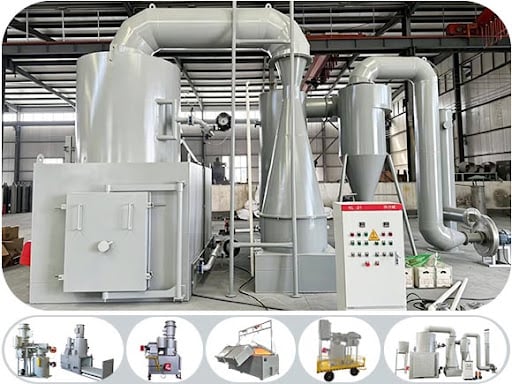
Healthcare facilities generate infectious, contaminated, and hazardous waste that requires careful treatment before final disposal. Using a medical waste incinerator can reduce waste volume while destroying many harmful microorganisms and contaminated materials. This supports cleaner healthcare environments, improves waste handling practices, and reduces risks for patients, workers, and nearby communities.
Controlled Thermal Treatment
A medical waste incinerator provides controlled thermal treatment for selected healthcare waste streams. High temperatures break down combustible materials and destroy infectious agents that may remain dangerous after improper handling. This makes incineration useful for hospitals, clinics, laboratories, and other facilities seeking a reliable method for treating suitable hazardous waste.
Reduces Waste Volume
One major benefit of a medical waste incinerator is substantial waste volume reduction. After controlled combustion, the remaining ash occupies much less space than the original waste. This helps healthcare facilities manage limited storage areas and reduces the quantity requiring subsequent handling, transportation, and disposal through approved waste management channels.
Supports Infection Control
Properly operated incineration can help destroy pathogens present in infectious healthcare waste. This reduces the likelihood of disease transmission caused by improperly handled contaminated materials. By combining treatment with segregation, staff training, and monitoring, healthcare facilities can strengthen infection control programs and maintain conditions throughout waste collection and disposal operations.
Improves Waste Handling
Medical waste can create odors, attract pests, and increase contamination risks when stored for long periods. A medical waste incinerator allows suitable waste to be treated promptly, helping control accumulation and improve site cleanliness. Faster treatment can also simplify waste logistics by reducing untreated material awaiting collection or disposal activities.
Emission Control Features
Modern incineration systems may include secondary combustion chambers, temperature monitoring, and emission control equipment designed for controlled operation. Facilities should select equipment appropriate for their waste characteristics and local requirements. Working with a qualified Rotary Kiln Incinerator Manufacturer in India can help organizations evaluate systems for specific thermal treatment applications.
Rotary Kiln Applications
A rotary kiln design can be considered when facilities require continuous or versatile thermal treatment capabilities. Rotary systems can handle certain varied waste streams effectively when correctly designed and operated. Equipment selection should consider waste composition, throughput, fuel use, maintenance, emission controls, and applicable environmental regulations before purchase or installation.
Operational Efficiency
Using a medical waste incinerator can support operational efficiency by reducing dependence on off-site transportation for suitable treated waste. This can benefit remote facilities. Careful segregation remains essential because not every healthcare waste category is appropriate for incineration, and regulations may require alternative treatment methods when required during emergency situations.
Maintenance and Compliance
The long-term benefits of medical waste incineration depend on proper operation, maintenance, trained personnel, and compliance with applicable standards. Facilities should monitor temperatures, inspect combustion components, maintain emission control systems, and document procedures. A complete approach combines segregation, treatment, ash handling, monitoring, and responsible final disposal practices in daily operations.
Conclusion
A medical waste incinerator can improve healthcare waste management by reducing waste volume and treating suitable infectious materials effectively. Proper selection, safe operation, maintenance, emission controls, and regulatory compliance are essential. For specialized requirements, rotary kiln suppliers can help facilities identify systems based on capacity, waste type, and operational needs.