





Replacing a damaged or worn vehicle component does not always mean purchasing a brand-new part. Pre-owned automotive components can offer another option for vehicle owners, particularly when original equipment parts are difficult to source or expensive to replace. However, the suitability of a used component depends on several factors, including its condition, previous use, compatibility and maintenance history.
Understanding these factors can help vehicle owners make informed purchasing decisions. Whether replacing an engine, transmission, suspension component or body panel, knowing what to inspect before buying can reduce the risk of choosing an unsuitable part.
Understanding Where Used Automotive Parts Come From
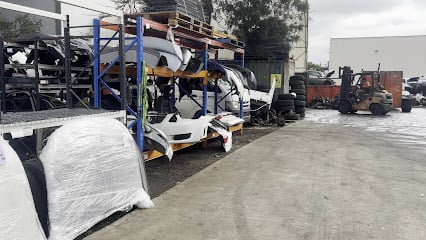
Pre-owned car parts generally come from vehicles that have reached the end of their road life, been involved in accidents or been dismantled for component recovery. A vehicle may have sustained damage to one area while other components remain in usable condition.
For example, a car with exterior accident damage may still have a functional alternator, starter motor, transmission or interior components. Similarly, a vehicle that is no longer economical to repair may contain several parts that can serve as replacements for compatible models.
However, not every recovered component is suitable for resale. Parts should be assessed according to their condition, intended use and any visible signs of damage or excessive wear.
Understanding the source of a component is therefore an important first step when considering a pre-owned replacement.
More information about its range of automotive parts and services is available at https://grandeautoparts.com.au/shop/.
Factors That Influence Component Condition
The condition of a used car part depends on more than the age of the vehicle it came from. Several factors can influence its remaining useful life.
Previous usage: Components from vehicles with high mileage may have experienced more wear, although maintenance and driving conditions also matter.
Maintenance history: Regular servicing can influence the condition of mechanical components. Where available, service records and previous repair information can provide useful background.
Storage conditions: Parts exposed to moisture, extreme temperatures or unsuitable storage environments may develop corrosion or deterioration.
Accident damage: Components recovered from damaged vehicles need careful assessment. Even parts that appear intact may have hidden damage depending on the location and severity of the impact.
Inspection and testing: Mechanical and electrical components may require appropriate testing before installation. A visual inspection alone cannot establish that every component functions correctly.
These considerations help buyers understand why two apparently similar used parts may have different levels of suitability.
Why Compatibility Matters When Buying Replacement Parts
One of the most common mistakes when purchasing used automotive components is assuming that parts from the same vehicle manufacturer will automatically fit.
Compatibility can depend on the vehicle’s model year, engine configuration, transmission type, trim level and production specifications. Some models also undergo changes between manufacturing generations, which can affect component design.
Before purchasing a replacement, check the following information:
- Vehicle make and exact model.
- Manufacturing year and model generation.
- Engine size and configuration.
- Transmission type.
- Original equipment manufacturer (OEM) part number, where available.
- Any relevant specifications or compatibility references.
Comparing the original component number with the replacement part can help identify potential differences. When uncertainty remains, consulting a qualified mechanic or parts specialist is a sensible step.
Correct compatibility is particularly important for safety-related components, electronic systems and mechanical assemblies.
Which Automotive Components Are Worth Considering Used?
Several categories of automotive parts may be available through vehicle dismantlers and used-parts suppliers. Their suitability depends on individual condition and inspection requirements.
Engines and transmissions: These components can represent a significant replacement expense. Buyers should ask about testing, mileage information where available, compatibility and warranty conditions.
Body panels: Doors, bonnets, guards and other exterior panels may be suitable for replacement when their mounting points and structural condition are appropriate.
Suspension components: Used suspension parts require careful assessment because wear can affect vehicle handling and safety.
Electrical components: Alternators, starter motors, switches and other electrical parts should be checked for correct operation and compatibility.
Interior components: Seats, dashboard pieces, trim panels and other cabin fittings may provide practical replacement options when they are in suitable condition.
Not every component is appropriate to purchase second-hand. Parts that are safety-critical, subject to significant wear or required to meet specific manufacturer standards should receive particular attention. Professional inspection may be necessary before installation.
Questions to Ask Before Purchasing a Used Part
Asking clear questions before placing an order can help buyers understand what they are purchasing and what to expect if an issue arises.
Start by asking about the component’s origin and condition. Find out whether it has been inspected or tested, whether any defects are known and whether its specifications match your vehicle.
It is also important to understand the supplier’s return and warranty policies. Coverage can vary considerably depending on the component, supplier and purchase conditions. Confirm whether labour costs, installation or associated components are included in any warranty.
Buyers should also check the total purchase cost, including delivery charges where applicable. A lower advertised price may not represent the best overall option if compatibility, condition or return arrangements are unclear.
Keeping written records of the part description, purchase details and agreed conditions can also be useful if questions arise later.
The Role of Professional Installation and Inspection
Even a suitable replacement component can create problems if it is installed incorrectly. Mechanical parts may require specialised tools, calibration or adjustments to work as intended.
For example, engine and transmission replacements can involve several supporting systems, including electrical connections, cooling components and mounting arrangements. Similarly, suspension and braking components need to be fitted according to the vehicle’s specifications.
A qualified mechanic can help confirm compatibility, assess the condition of a replacement and identify any additional work required before installation.
Professional guidance is especially important when dealing with components that influence vehicle safety, roadworthiness or electronic operation.
Exploring Used Parts Through Grande Auto Parts
Grande Auto Parts provides customers with a platform to explore used automotive components for different vehicle makes and models. The business focuses on helping customers locate replacement parts for their vehicle requirements, including mechanical components, body panels and other automotive items.
For people researching where to buy used car parts, comparing component details, checking vehicle compatibility and confirming availability are important steps before making a purchase. Grande Auto Parts provides an online starting point for customers looking to enquire about available parts and explore suitable options.
Making a More Informed Replacement Decision
Pre-owned automotive components can be a practical replacement option when their condition, compatibility and intended use are properly assessed. However, the decision should not be based on price alone.
Buyers should consider the component’s previous use, inspection history, specifications, supplier policies and installation requirements. Taking these steps can help reduce purchasing uncertainty and make it easier to identify a suitable replacement.
Ultimately, the quality of a used car part depends on the individual component and how it has been maintained, assessed and handled. Careful research and appropriate professional advice remain essential when choosing parts for any vehicle.