





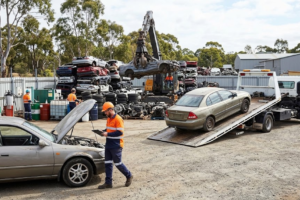
A serious car accident can leave you with a damaged vehicle that is difficult or unsafe to drive. Sometimes, the repair costs are higher than the car’s market value. In other cases, the vehicle may have a damaged engine, broken suspension, smashed panels or other major problems. Keeping such a car can take up valuable space and create extra worries. Free accidental car removal gives vehicle owners another option when they no longer want to repair or keep their damaged cars.
If you have an accident-damaged vehicle sitting in your driveway, it may be worth exploring the removal process before deciding what to do next. You can visit the website to learn more about vehicle removal services and the options available in Brisbane: https://jimmycashforcars.com.au/
What Is Free Accident Car Removal?
Free accident car removal is a vehicle collection service for cars that have been damaged in road accidents. It is intended for owners who want to dispose of vehicles that are no longer suitable for regular use.
An accident can cause different levels of damage. Some vehicles have minor body damage, while others may have serious mechanical problems or structural damage. A car may also be declared a total loss by an insurance company.
In these situations, arranging removal can be a practical option.
The word free generally means that the vehicle owner does not pay a separate collection fee. However, the exact terms depend on the service provider, vehicle location and collection requirements. It is important to confirm all charges before agreeing to a collection.
Why Do People Need Accident-Damaged Car Removal?
Not every damaged vehicle is worth repairing. Several situations can make removal a more suitable choice.
1. The Repair Costs Are Too High
After an accident, repair expenses can increase quickly. Replacing damaged doors, bumpers, headlights, airbags and mechanical parts can cost a considerable amount.
If the repair estimate is higher than the vehicle’s market value, repairing it may not make financial sense.
2. The Vehicle Is Declared a Write-Off
Insurance companies may classify a vehicle as a write-off after assessing the damage.
A written-off vehicle may have structural damage or repair costs that make it unsuitable for returning to the road. Owners may need to arrange its collection and disposal according to the relevant requirements.
3. The Car Is No Longer Safe to Drive
An accident can affect important vehicle systems, including the brakes, steering, suspension and chassis.
Even if the car starts, it may not be safe to drive. Leaving it parked until suitable transport is arranged can prevent further problems.
4. The Vehicle Takes Up Space
A damaged vehicle can occupy a driveway, garage or parking area for weeks or months.
Removing it can free up that space and help owners move forward after an accident.
How Does the Accident Car Removal Process Work?
The removal process usually involves a few basic steps. Knowing what happens can help you prepare your vehicle before collection.
Step 1: Contact a Vehicle Removal Service
Start by contacting a vehicle removal company and explaining your situation.
Provide basic information about the vehicle, including:
- Make and model.
- Manufacturing year.
- Registration status.
- Type of accident damage.
- Current vehicle location.
- Whether the vehicle starts or moves.
These details help the removal company understand the condition of the car.
Step 2: Explain the Extent of the Damage
Be honest about the condition of the vehicle.
Mention whether it has damaged doors, broken windows, missing wheels, engine problems or structural damage.
If the airbags have deployed or the vehicle has suffered major front or rear damage, include that information as well.
Accurate details can help avoid misunderstandings during collection.
Step 3: Discuss Collection Arrangements
Once the vehicle details have been reviewed, discuss the collection arrangements.
Ask whether the service covers your suburb and whether the collection is free. You should also confirm the expected collection date and any conditions that may apply.
Some accident-damaged car removal Brisbane cannot be moved using ordinary towing equipment. Vehicles with missing wheels or serious structural damage may require specialised handling.
Step 4: Prepare the Vehicle
Before collection, remove your personal belongings.
Check the glovebox, boot, centre console and door pockets. Remove important documents, personal items and any belongings that you want to keep.
Also, take photographs of the vehicle and its condition for your records.
Step 5: Complete the Necessary Paperwork
You may need to provide proof of ownership or other vehicle documents.
Make sure the collection process follows the applicable Queensland requirements. If the vehicle is registered, check whether you need to cancel its registration and return its number plates.
Once the paperwork and collection arrangements are complete, the vehicle can be removed.
What Types of Accident-Damaged Cars Can Be Removed?
Accident damage can affect almost any type of vehicle. The condition and collection requirements will depend on the individual car.
Cars With Front-End Damage
Front-end collisions can damage the bonnet, bumper, radiator, headlights and engine components.
In severe cases, the impact may also affect the vehicle frame and cooling system.
Cars With Rear-End Damage
Rear-end accidents can damage the boot, rear bumper, tail lights and exhaust system.
Some collisions may also affect the rear suspension and structural components.
Cars With Side Impact Damage
Side collisions can damage doors, windows, mirrors and supporting structures.
If the impact affects the vehicle’s frame or safety systems, repairs may become costly.
Flood-Damaged Cars After Accidents
Some vehicles suffer water damage following accidents involving flooded roads or nearby waterways.
Water can affect electrical wiring, engine components, interior materials and safety systems. Such vehicles may require specialist assessment before collection.
Non-Running Accident Vehicles
A damaged car does not always need to be operational for removal.
Some collection services can arrange towing for vehicles that cannot start, have missing wheels or are unsafe to move under their own power.
Always explain these problems when arranging collection.
Can You Receive Money for an Accident-Damaged Car?
The answer depends on the vehicle and the terms offered by the removal company.
An accident-damaged car may still contain parts or materials that have resale or recycling value.
Factors that can affect an offer include:
- Vehicle make and model.
- Manufacturing year.
- Overall condition.
- Engine and transmission condition.
- Usable spare parts.
- Metal content.
- Demand for replacement components.
- Vehicle location and collection requirements.
A car with extensive accident damage may still have usable doors, seats, mirrors, wheels or mechanical components.
However, not every vehicle will qualify for payment. Some may only be accepted for disposal or recycling, depending on their condition.
Ask for clear details about any payment and collection terms before making a decision.
What Happens to Your Car After Removal?
Removing an accident-damaged vehicle is only the first stage of the disposal process. Depending on its condition, the car may go through several stages.
Vehicle Inspection
The vehicle may be assessed to identify usable components and materials.
This helps determine whether certain parts can be recovered or whether the vehicle is mainly suitable for recycling.
Reusable Parts Recovery
Some damaged cars contain components that remain in working condition.
Parts such as mirrors, seats, doors, wheels and certain mechanical components may be removed for possible reuse, provided they are suitable and safe.
Metal Recycling
Vehicles contain different types of metal, including steel and aluminium.
These materials can be separated and sent for processing. Recycling helps reduce the amount of vehicle material sent to landfill and supports the recovery of reusable resources.
Safe Disposal of Other Materials
Cars also contain fluids, batteries, tyres and other materials that require proper handling.
These items should be managed according to applicable environmental and safety requirements.
Responsible vehicle disposal helps reduce the risk of harmful substances entering the surrounding environment.
Important Things to Check Before Arranging Removal
Before handing over your damaged vehicle, take some time to check the following details.
Confirm That Collection Is Free
Do not assume every removal company offers free collection in every situation.
Ask whether towing, loading or other collection-related charges apply. Confirm the terms before accepting the service.
Check Your Insurance Situation
If your vehicle was involved in an insurance claim, contact your insurer before arranging disposal.
The insurance company may need to inspect the vehicle or provide instructions about its transfer and disposal.
Do not hand over the vehicle until you have confirmed that doing so will not interfere with your claim.
Keep Your Personal Belongings
Remove all personal items from the car before collection.
Check under the seats, inside the boot and around the storage compartments.
Also, remove any toll tags or electronic devices that belong to you.
Understand Queensland Written-Off Vehicle Rules
Queensland has specific requirements for vehicles recorded as written-off.
The rules can depend on the type of write-off and whether the vehicle is recorded as a repairable or statutory write-off.
Check the current Queensland transport requirements before selling, transferring or disposing of the vehicle.
Keep Records of the Collection
Keep copies of relevant documents and any confirmation provided by the removal company.
If you are cancelling registration, make sure you follow the correct process with the relevant Queensland authority.
Why Local Removal Services Matter for Brisbane Drivers
Brisbane has a large network of roads connecting residential suburbs, business areas and surrounding communities. Accidents can happen anywhere, leaving owners with vehicles that are no longer safe to drive.
Arranging a local collection service can help reduce the work involved in moving a damaged car.
However, collection arrangements can vary between suburbs. Access to the vehicle, parking restrictions, road conditions and the severity of the damage may affect how it is collected.
Before confirming an appointment, provide the exact location and explain whether the vehicle is parked in a garage, driveway, roadside area or another location.
This information helps the collection team prepare the appropriate equipment.
Choosing a Suitable Accident Car Removal Company
Choosing a removal company requires more than simply finding someone who can tow the vehicle.
Consider the following points before making your decision.
Ask About the Collection Fee
Confirm whether the service includes towing and loading. Ask about any additional charges that could apply.
Explain the Vehicle Condition
Give accurate details about the accident damage. This helps the company determine whether it can collect the vehicle.
Discuss Payment Terms
If you expect payment, ask how the amount is calculated and when it will be provided.
Check Documentation Requirements
Find out which ownership documents and identification details are required.
Confirm the Collection Time
Discuss a suitable collection date and make sure someone can provide access to the vehicle if necessary.
These checks can help you understand the process and avoid unexpected issues.
How Jimmy Cash for Cars Brisbane Fits Into the Removal Process
For Brisbane vehicle owners looking into accident-damaged car collection, Jimmy Cash for Cars Brisbane is one company to contact when exploring available removal options. Owners can discuss their vehicle condition, location and collection requirements to find out whether their damaged car can be collected and what terms apply.
Conclusion
An accident can leave a vehicle with damage that makes repairs difficult or uneconomical. Keeping such a car can also take up valuable parking space and create extra responsibilities for its owner.
Free accident car removal provides an option for people who want to have unwanted damaged vehicles collected without paying a separate collection fee, subject to the service conditions.
Before arranging removal, check your insurance requirements, confirm the collection terms and prepare the necessary paperwork. You should also make sure that the vehicle is handled and disposed of according to Queensland regulations.
With the right preparation, disposing of an accident-damaged vehicle can become a manageable part of moving on after a road accident.