







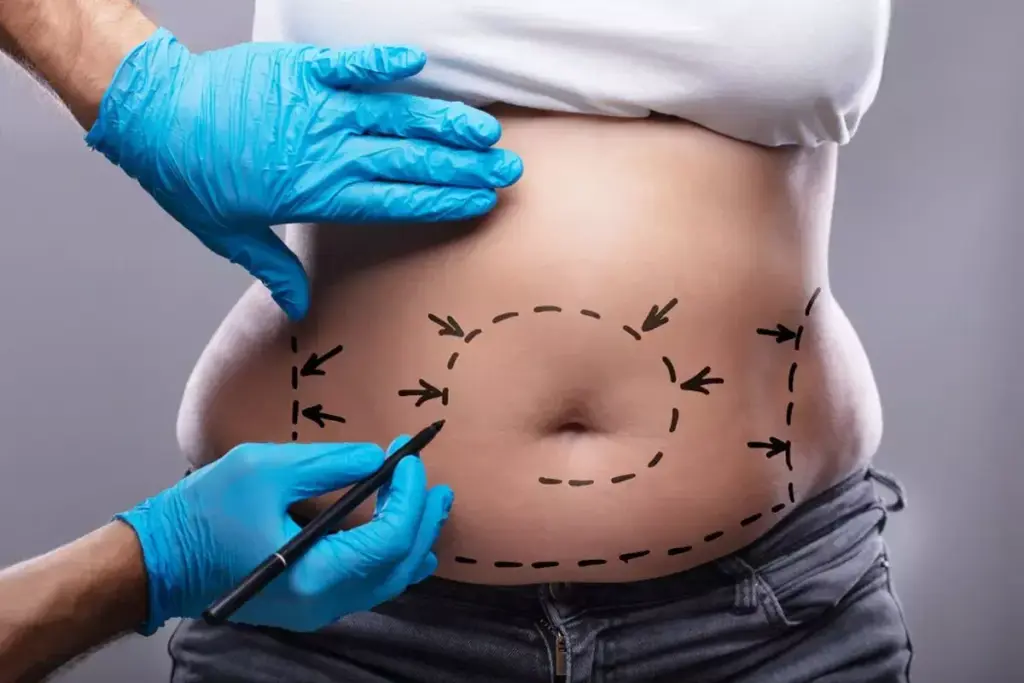
The core of the abdomen relies heavily on an intricate network of muscles that support posture, movement, and overall stability. For individuals exploring body contouring options, seeking a Tummy Tuck in Abu Dhabi often stems from a desire to address structural changes in the midsection that exercise alone cannot resolve. While many assume this procedure is purely about surface-level aesthetic smoothing, its primary structural benefit lies deep beneath the skin, directly targeting the abdominal wall to restore strength and firmness.
-
Core Stability: The abdominal wall acts as the central pillar for physical balance and everyday movement.
-
Limitations of Exercise: Certain structural separations in the muscle tissue cannot be closed through traditional workouts.
-
Structural Restoration: A tummy tuck addresses both surface contours and the underlying muscular foundation.
Understanding the Anatomy of the Abdominal Wall
To understand how a tummy tuck affects the muscles, it is essential to look at the anatomy of the human midsection. The front of the abdomen is primarily composed of the rectus abdominis muscles, commonly referred to as the “six-pack” muscles. These two parallel vertical bands of muscle run from the ribcage down to the pubic bone and are held together along the midline by a tough band of fibrous connective tissue known as the linea alba.
-
Rectus Abdominis: Parallel vertical muscles responsible for flexing the spine and stabilizing the torso.
-
Linea Alba: The central fibrous seam that connects the left and right sides of the abdominal wall.
-
Internal Support: Together, these structures hold internal organs in place and support the lower back.
What Causes Abdominal Muscles to Loosen or Separate?
Over time, significant physical events can place immense outward pressure on the abdominal wall. When the connective tissue of the linea alba stretches beyond its natural elastic limit, it thins out and widens, allowing the parallel rectus abdominis muscles to drift apart. This condition is known as diastasis recti. Once the connective tissue has been stretched to this degree, it loses its ability to snap back into its original taut state, leaving a gap down the center of the abdomen.
-
Pregnancy: The growing uterus stretches the abdominal wall outward, often separating the midline connective tissue.
-
Significant Weight Fluctuations: Rapid or substantial weight gain followed by weight loss leaves behind stretched fascia and weakened muscle tone.
-
Natural Aging: Over the years, collagen and elastin in the connective tissues naturally diminish, reducing structural resilience.
Why Exercise Alone Cannot Fix Muscle Separation
A common misconception is that rigorous core workouts—such as crunches, planks, and sit-ups—can pull separated abdominal muscles back together. While targeted physical therapy and core strengthening exercises can improve the tone of the surrounding transverse abdominis muscles, they cannot physically shorten or repair a stretched linea alba. In fact, performing traditional abdominal exercises improperly when a severe separation is present can sometimes place excessive intra-abdominal pressure on the weakened midline, causing the abdomen to bulge outward even further.
-
Connective Tissue Limits: Exercise builds muscle fibers, not stretched fibrous fascia.
-
Bulging Effect: Improper core strain can push internal pressure against the weakened midline gap.
-
Need for Structural Repair: Closing a physical gap in the fascia requires direct internal realignment.
How a Tummy Tuck Tightens Abdominal Muscles
A tummy tuck, formally known as abdominoplasty, is specifically designed to correct both excess skin and underlying muscular laxity. During the procedure, the skin and underlying tissue are carefully lifted to expose the abdominal wall. The stretched fascia and separated rectus abdominis muscles become clearly visible. This direct access allows for comprehensive structural restoration that topical treatments or fitness routines simply cannot achieve.
-
Direct Access: Lifting the overlying tissue exposes the exact width and length of the muscle separation.
-
Comprehensive Approach: Addresses deep muscular laxity alongside surface-level skin concerns.
-
Long-Term Foundation: Rebuilds the internal structural integrity of the entire midsection.
The Process of Muscle Plication
The specific technique used to tighten the abdominal muscles is called muscle plication. During plication, the separated edges of the rectus abdominis muscles and the stretched linea alba are brought back together toward the midline. Using strong, specialized internal sutures, the stretched fascia is folded and stitched tightly from the bottom of the sternum down to the pubic area. This process effectively acts like an internal corset, pulling the muscles back into their proper anatomical alignment and creating a flatter, firmer abdominal wall.
-
Midline Realignment: Separated muscle bands are drawn back together to close the central gap.
-
Internal Suturing: Durable sutures secure the fascia in a taut, reinforced position.
-
Internal Corset Effect: Creates immediate structural tightness across the entire front of the torso.
Restoring Core Integrity and Function
Beyond creating a smoother silhouette, tightening the abdominal muscles restores the mechanical efficiency of the core. When the rectus abdominis muscles are returned to their natural parallel alignment, they can contract and engage much more effectively during physical activity. The abdominal wall once again provides firm counter-pressure to the spine. This plays a vital role in everyday posture, lifting mechanics, and overall torso stability.
-
Improved Muscle Engagement: Realigned muscles fire more efficiently during movement and exercise.
-
Spinal Support: A firm abdominal wall helps offload excess strain from the lower back muscles.
-
Enhanced Posture: Restored core tension naturally encourages a more upright, balanced stance.
Everyday Benefits of Tightened Abdominal Muscles
When the structural foundation of the midsection is restored, the benefits extend far beyond how clothing fits. Because the core is involved in almost every physical movement the human body makes—from standing up out of a chair to walking. Twisting, and carrying groceries—repairing a weakened abdominal wall frequently translates into noticeable improvements in daily physical comfort and functional strength.
-
Daily Movement: Everyday tasks feel more supported and require less compensatory effort from other muscle groups.
-
Physical Confidence: Knowing the core is structurally sound allows for greater ease during physical activities.
-
Lasting Structural Support: A tightened abdominal wall maintains its firmness when paired with a healthy lifestyle.
Improved Posture and Reduced Lower Back Strain
The abdominal muscles and the lower back muscles work together as an opposing pair to keep the spine aligned and supported. When the front of the abdominal wall is weak or separated, the lower back muscles are forced to work overtime to stabilize the torso. Often leading to chronic lower back fatigue or discomfort. By tightening the abdominal muscles and restoring front-to-back balance, a tummy tuck helps relieve that compensatory burden on the lumbar spine.
-
Balanced Torso Mechanics: Restores the natural partnership between the abdominal wall and lower back.
-
Reduced Lumbar Fatigue: Alleviates the extra workload placed on spinal muscles due to anterior weakness.
-
Natural Alignment: Helps prevent the pelvis from tilting excessively forward.
Enhanced Workout Performance and Core Strength
Individuals who struggled with a weak or bulging midsection during workouts often find that muscle tightening transforms their ability to exercise effectively. Once the midline gap is closed, exercises like planks, Pilates, yoga, and strength training become far more productive. Instead of feeling a lack of tension or noticing doming along the center of the stomach, individuals can properly engage their deep core muscles and build genuine functional strength.
-
Elimination of Doming: Prevents the midline bulge that occurs during abdominal strain.
-
Better Form: Enables proper core bracing during weightlifting, cardio, and flexibility routines.
-
Progressive Strength: Allows individuals to safely advance their fitness routines over time.
Frequently Asked Questions (FAQs)
1. Does every Tummy Tuck in Abu Dhabi include abdominal muscle tightening?
While muscle repair is a standard component of most full abdominoplasty procedures, the exact approach depends on an individual’s unique anatomy. Those who have experienced pregnancy or significant weight loss typically have some degree of muscle separation that benefits from plication. Whereas individuals with only minor lower-belly skin laxity may not require extensive muscle tightening.
2. How long do the results of abdominal muscle tightening last?
The internal sutures used to tighten the abdominal muscles are designed to provide permanent structural reinforcement. As long as an individual maintains a stable weight and avoids future events that severely stretch the abdominal wall. Such as subsequent pregnancies—the tightened alignment of the muscles remains intact long-term.
3. Can you still exercise and build core strength after abdominal muscle repair?
Yes, once the body has fully healed, individuals can return to regular cardiovascular and strength-training workouts. In fact, many find that exercises targeting the core are much more effective afterward because the rectus abdominis muscles are properly aligned and able to contract efficiently without separating.
4. Is muscle tightening only for people who have had children?
No, abdominal muscle separation and laxity can affect both men and women regardless of whether they have had children. Significant weight gain and loss, genetics, aging, and previous abdominal surgeries can all stretch the connective tissue of the abdominal wall, making muscle tightening beneficial for a wide range of individuals.