







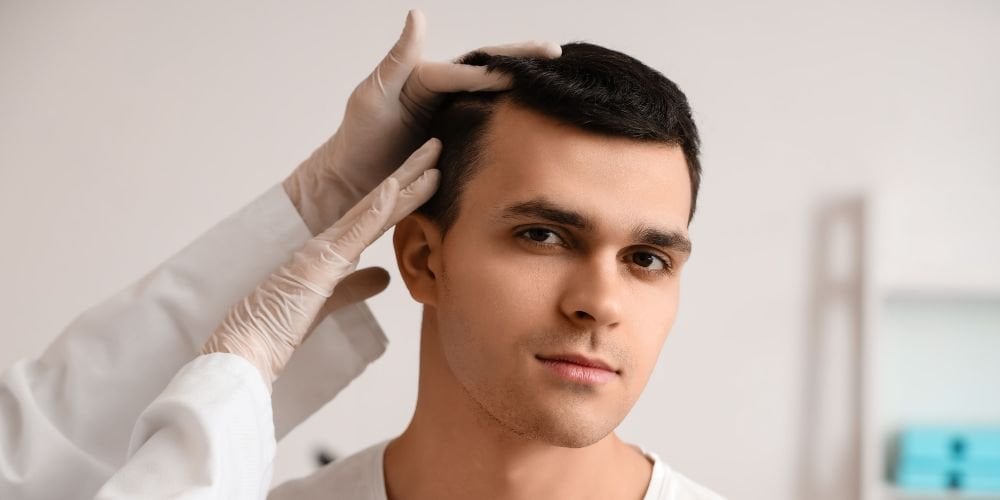
Understanding how contemporary hair restoration works helps demystify the entire journey from initial planning to final hair growth. Many people researching a Hair Transplant in Abu Dhabi want to know what physically occurs during the appointment, how follicles are moved, and how the scalp responds over time. Modern hair transplantation has evolved into a highly refined, minimally invasive procedure designed around natural hair growth angles, density balance, and long-term follicle survival.
-
Modern hair transplantation transfers healthy hair follicles from a donor zone to thinning or balding areas.
-
The procedure focuses on natural angles, direction, and density rather than uniform spacing.
-
Knowing each phase in advance sets realistic expectations for both the day of the procedure and the months that follow.
Pre-Procedure Preparation and Scalp Mapping
Before any follicle is harvested, the session begins with careful preparation and architectural mapping of the scalp. Specialists evaluate hair caliber, curl pattern, follicle density per square centimeter, and the boundary of the permanent donor zone, typically located at the back and sides of the head where hair is genetically more resistant to thinning.
-
Scalp mapping measures existing hair density and identifies viable donor follicles.
-
Hairline design accounts for facial proportions, age progression, and natural symmetry.
-
Trimming or preparing the target and donor zones gives clear visibility and precision during extraction.
Designing a Natural Hairline and Crown
A natural-looking result depends heavily on how the hairline and crown are planned before the procedure starts. Rather than drawing a straight, rigid line, practitioners map subtle irregularities, temple transitions, and whorl patterns that mimic how hair grows naturally.
-
Soft, slightly irregular hairline contours prevent an artificial, overly geometric appearance.
-
Single-hair follicular units are reserved for the front edge to create a soft transition.
-
Multi-hair follicular units are planned behind the hairline to build visual volume and coverage.
Local Comfort Measures Before Harvesting
Once the design is finalized, local numbing medication is applied to the donor and recipient areas so the patient remains awake and comfortable throughout the session. Patients can typically relax, listen to audio, or take short breaks while remaining completely at ease during the active stages.
-
Local anesthesia numbs the targeted scalp zones so harvesting and placement are painless.
-
Patients remain awake and alert during the session without general anesthesia.
-
Short breaks allow stretching and comfort checks between stages.
Follicular Unit Extraction and Graft Handling
The core mechanical step of a modern hair transplant is collecting individual follicular units—naturally occurring groups of one to four hairs—without removing a large strip of scalp tissue. Precision punch instruments isolate each follicular unit around its sebaceous gland and bulb so the root remains intact and viable.
-
Follicular units contain between one and four hairs along with essential supporting structures.
-
Micro-punches isolate individual grafts while minimizing trauma to surrounding tissue.
-
Preserving the bulb and stem-cell-rich bulge area is essential for reliable regrowth.
Keeping Harvested Follicles Viable Outside the Body
Once extracted, microscopic grafts are extremely delicate and must be protected from dehydration, temperature swings, and mechanical stress. They are sorted by hair count and placed in specialized chilled holding solutions that maintain hydration and cellular energy until implantation.
-
Grafts are sorted into one-, two-, three-, and four-hair units for strategic placement.
-
Temperature-controlled holding solutions keep extracted follicles hydrated and viable.
-
Gentle handling prevents crushing or drying of delicate follicular bulbs.
Recipient Site Creation and Graft Implantation
After harvesting, attention shifts to the thinning or bald recipient areas where new hair is desired. Tiny recipient sites or channels are created at precise angles, depths, and densities so newly placed hairs lie flat and blend seamlessly with any existing native hair.
-
Site angle and direction determine whether grown hair lies smoothly or sticks outward.
-
Proper site depth ensures grafts sit securely without being buried too deep or left exposed.
-
Spacing balances immediate graft survival with natural visual fullness.
Matching Growth Direction and Density
Every region of the scalp has its own directional flow, especially near the temples, mid-scalp, and crown. Implantation mimics these natural patterns so combed or styled hair falls effortlessly without clashing directions.
-
Hair near the front typically angles forward and slightly outward or inward depending on the zone.
-
Crown hair spirals outward from a central point in a gentle whorl.
-
Strategic density distribution maximizes coverage even when donor supply is finite.
Immediate Post-Procedure Care and Early Scalp Recovery
When the final graft is placed, the scalp enters its immediate recovery phase. Tiny micro-scabs form around each implanted follicle over the first few days, and mild tightness or tenderness in the treated zones is normal as the tissue begins healing.
-
Small crusts around implanted follicles are a normal part of early surface healing.
-
Gentle washing routines introduced after the initial resting period keep the scalp clean.
-
Avoiding friction, scratching, and direct pressure protects newly seated grafts early on.
Protecting New Grafts in the First Two Weeks
The first ten to fourteen days are critical because newly implanted follicles anchor firmly into the surrounding tissue. Following clear washing and sleeping instructions helps keep grafts undisturbed while superficial scabs gradually soften and shed.
-
Grafts anchor increasingly securely during the first two weeks after placement.
-
Sleeping with the head slightly elevated and away from friction helps protect the recipient area.
-
Gentle rinsing and patting dry prevent dislodging fragile early grafts.
Timeline of Shedding, Regrowth, and Maturation
A hair transplant is a gradual biological process rather than an overnight transformation. Many people are surprised when transplanted hair shafts shed within the first few weeks, even though the underlying follicular roots remain alive beneath the skin.
-
Early shedding of existing hair shafts inside transplanted grafts is a common temporary phase.
-
Dormant follicles transition back into an active growth phase over the following months.
-
Hair texture and thickness continue to mature well past the six-month mark.
Month-by-Month Growth Progression
Watching progress unfold across distinct stages helps track normal healing versus long-term density development. Individual timelines vary slightly based on hair curl, scalp circulation, and the size of the treated area.
-
Weeks 1 to 3: Superficial crusts clear, and transplanted hair shafts often shed while roots stay anchored.
-
Months 2 to 4: Early fine new hairs begin emerging through the scalp surface.
-
Months 5 to 8: New growth becomes noticeably thicker, longer, and easier to style.
-
Months 9 to 12+: Full maturation progresses as hair shafts gain strength, coverage, and natural blend.
Frequently Asked Questions
How long does a typical hair transplant session take from start to finish?
Most modern sessions take several hours in a single day, depending on the number of follicular units being moved, the size of the recipient area, and whether the work is completed in one sitting or split across consecutive days. Planning, local numbing, extraction, and implantation each occupy distinct portions of the schedule with built-in breaks.
-
Session length scales primarily with the total number of grafts required.
-
Larger areas such as both hairline and crown take longer than a small frontal touch-up.
-
Scheduled breaks keep the process comfortable across longer appointments.
Are transplanted hair follicles permanent once they grow in?
Follicles harvested from the permanent donor zone retain their genetic resistance to pattern hair thinning even after being moved to a new location on the scalp. Once a transplanted follicle establishes its blood supply and enters active growth, it continues producing hair through normal hair growth cycles.
-
Donor-dominant follicles keep their biological traits after relocation.
-
Regrown hair can be cut, washed, and styled just like natural scalp hair.
-
Surrounding non-transplanted native hair can still follow its own natural pattern over time.
Why do transplanted hairs shed before permanent growth starts?
Shortly after implantation, the temporary shock of relocation often causes the visible hair shaft inside a graft to shed while the follicle root remains safely nestled in the dermis. After a resting period, the follicle re-enters its growth cycle and produces a new hair shaft that remains as growth progresses.
-
Shedding of the initial shaft does not mean the graft was lost.
-
The follicle bulb remains positioned to generate new growth in subsequent months.
-
New hairs typically start appearing noticeably around the third to fourth month.
How do specialists ensure the new hairline matches existing hair?
Practitioners evaluate hair thickness, wave or curl, color contrast against the scalp, and natural growth angles before placing a single graft. By placing finer single-hair units along the leading edge and angling each incision to match surrounding hair flow, the restored area blends naturally with existing hair.