





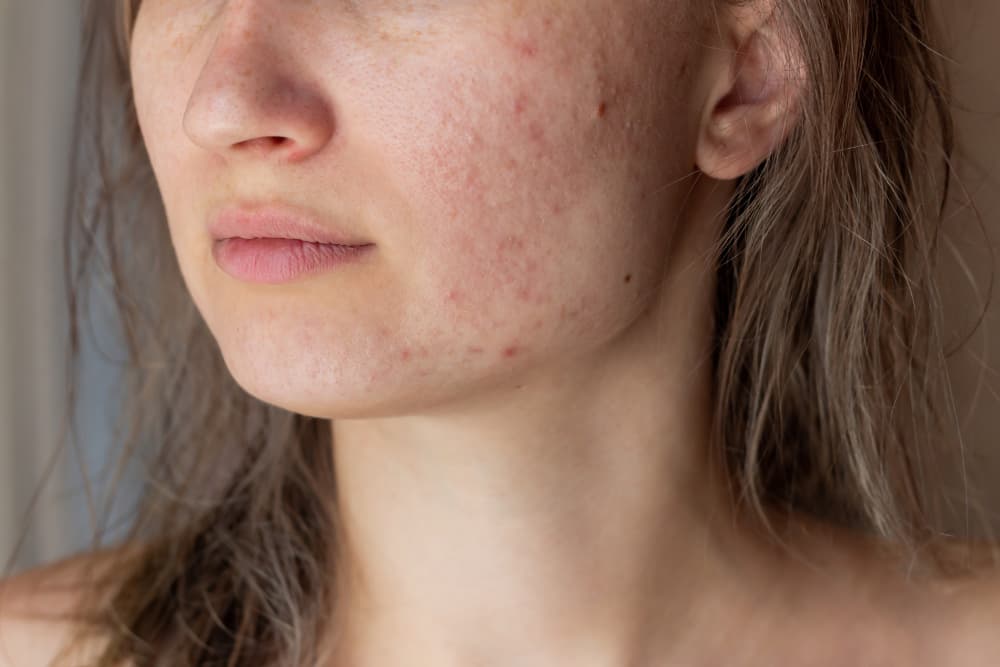
Managing persistent breakouts alongside excess shine is one of the most common skincare challenges, yet finding a lasting solution requires understanding how sebum and clogged pores interact. When the sebaceous glands produce surplus oil, dead skin cells stick together inside the follicles rather than shedding naturally, creating an environment where blemishes thrive. Exploring modern, evidence-based Acne Treatment in Abu Dhabi provides individuals with targeted options that balance sebum output without stripping the skin’s natural moisture barrier. Rather than relying on harsh, drying scrubs that trigger rebound oiliness, the most effective strategies combine gentle daily maintenance with specialized resurfacing and pore-purifying technologies.
-
Excess sebum binds dead skin cells inside pores, forming the root cause of persistent blemishes.
-
Effective care focuses on regulating oil production while preserving the skin’s protective barrier.
-
Modern approaches prioritize non-stripping daily formulations alongside targeted professional modalities.
Understanding the Connection Between Oily Skin and Breakouts
Oily skin occurs when sebaceous glands beneath the skin surface operate in overdrive, secreting excess lipids through hair follicles. While sebum plays an essential role in keeping the skin supple and protected from external stressors, an overabundance alters the micro-environment of the pores. When surplus oil mixes with accumulated cellular debris and surface impurities, microcomedones form beneath the surface, eventually developing into blackheads, whiteheads, papules, or deeper nodules.
-
Sebaceous glands produce lipids designed to protect the skin, but overactivity leads to congestion.
-
Trapped dead skin cells and excess sebum create blockages that manifest as various blemish types.
-
Addressing both oil volume and cellular turnover is essential for long-term clarity.
Why Over-Drying Worsens Sebum Production
A widespread misconception in skincare is that oily, breakout-prone skin needs to be stripped completely dry using astringents, alcohol-heavy toners, or abrasive physical scrubs. When the outermost layer of the skin—known as the stratum corneum—is stripped of its natural lipids, it perceives a state of emergency and signals the sebaceous glands to produce even more oil to compensate. This creates a frustrating cycle of surface tightness paired with rapid midday shine and deeper congestion.
-
Harsh cleansers and alcohol-based toners disrupt the skin’s natural lipid barrier.
-
Dehydrated oily skin triggers compensatory oil surges, worsening shine and pore blockages.
-
Maintaining hydration with lightweight, non-comedogenic formulas keeps sebaceous activity balanced.
Top Active Ingredients for Oily, Acne-Prone Skin
Selecting the right topical active ingredients forms the foundation of any successful blemish-control regimen. Different compounds target distinct stages of the breakout cycle—some dissolve oil inside the pore lining, others accelerate surface cell renewal, and several calm visible redness while regulating sebaceous activity.
-
Topical actives work through distinct mechanisms, including pore exfoliation, oil regulation, and cellular renewal.
-
Layering compatible, lightweight formulations maximizes clarity without overwhelming oily skin.
-
Consistency with targeted ingredients yields steady improvements in skin texture and tone.
Salicylic Acid (Beta Hydroxy Acid)
Salicylic acid is widely regarded as the gold-standard exfoliant for oily skin because it is oil-soluble. Unlike water-soluble alpha hydroxy acids that primarily work on the surface, salicylic acid penetrates directly through sebum to reach deep inside the pore lining. Once inside, it dissolves the bonds holding dead skin cells and hardened oil together, clearing existing blackheads and preventing new blockages from forming.
-
Oil-soluble properties allow salicylic acid to bypass surface sebum and enter clogged follicles.
-
It breaks down compacted dead skin cells and excess lipids to clear blackheads and whiteheads.
-
Regular use helps refine the appearance of enlarged pores by keeping them free of debris.
Niacinamide (Vitamin B3)
Niacinamide has earned its place as a staple ingredient for oily complexions due to its ability to regulate sebum excretion rates while strengthening the skin barrier. Beyond controlling surface shine, niacinamide visibly minimizes the look of stretched pores, evens out post-blemish discoloration, and calms redness. Because it plays well with almost every other skincare ingredient, it serves as an ideal daily stabilizer.
-
Niacinamide helps moderate daily oil output while reinforcing the skin’s moisture barrier.
-
It reduces the appearance of uneven tone and lingering dark marks left behind by past blemishes.
-
Its soothing properties make it easy to pair with stronger exfoliating or resurfacing actives.
Topical Retinoids and Adapalene
Retinoids, including adapalene, work at a cellular level to normalize how skin cells mature and shed. In oily, blemish-prone skin, cells inside the follicle tend to shed irregularly and clump together. Retinoids accelerate healthy cell turnover, ensuring pores stay clear from the inside out while simultaneously smoothing uneven skin texture and fading lingering marks.
-
Retinoids regulate cellular turnover to stop dead skin cells from clumping inside pores.
-
Consistent nighttime application prevents new microcomedones from developing beneath the surface.
-
Over time, retinoids refine overall skin smoothness and improve post-blemish discoloration.
Azelaic Acid and Benzoyl Peroxide
Azelaic acid offers a multi-tasking approach by gently exfoliating, calming visible redness, and targeting uneven pigmentation without heavy greasiness. Meanwhile, benzoyl peroxide works by introducing oxygen into the pore environment, neutralizing blemish-causing bacteria while helping clear excess oil and dead skin buildup. Using targeted, lower-strength formulations allows these ingredients to clear active spots effectively while keeping the surrounding skin comfortable.
-
Azelaic acid gently unclogs pores while visibly fading red and brown post-blemish marks.
-
Benzoyl peroxide targets surface bacteria and helps clear accumulated oil and dead cells.
-
Strategic application keeps active breakouts in check without disrupting healthy skin areas.
Professional Aesthetic Options for Stubborn Oily Skin
When daily topical routines reach a plateau, non-invasive aesthetic procedures offer deeper exfoliation, controlled pore extraction, and targeted sebaceous regulation. These specialized modalities work synergistically with home care to clear stubborn congestion and refine skin texture more efficiently.
-
Aesthetic modalities penetrate deeper than at-home topicals to reset congested pores.
-
Combining professional resurfacing with daily maintenance accelerates visible clarity.
-
Each procedure targets specific aspects of oily skin, from surface buildup to excess sebum activity.
Chemical Peels for Deep Pore Resurfacing
Professional chemical peels utilize calibrated concentrations of beta hydroxy acids (such as salicylic acid) or alpha hydroxy acids (such as glycolic and mandelic acids) to dissolve compacted sebum and accelerate surface renewal. By lifting away the dull, congested outer layer of dead cells, chemical peels decongest stubborn blackheads, smooth rough texture, and promote a brighter, more balanced complexion.
-
Calibrated acid solutions dissolve hardened sebum and lift away dead surface cells.
-
Salicylic-based peels specifically target oil-filled pores to reduce congestion and shine.
-
Controlled exfoliation improves overall skin clarity and helps fade lingering post-blemish marks.
Hydradermabrasion and Vortex Extraction
Hydradermabrasion treatments combine gentle physical exfoliation with vacuum-assisted vortex suction and nourishing serums. Unlike traditional manual extractions that can feel harsh on sensitive pores, vortex technology painlessly loosens and removes sebum plugs, blackheads, and environmental debris while infusing the skin with hydrating, antioxidant-rich solutions.
-
Vortex suction clears deep-seated sebum plugs and debris without harsh manual squeezing.
-
Simultaneous serum infusion replenishes lightweight hydration to prevent rebound oiliness.
-
Skin emerges immediately smoother, cleaner, and visibly balanced without heavy residue.
LED Light Therapy and Laser Toning
Light-based modalities offer a touch-free way to calm blemish-prone oily skin. Blue LED light therapy targets surface bacteria associated with breakouts, while red LED light helps soothe visible redness and support skin recovery. Similarly, gentle laser toning wavelengths help regulate overactive sebaceous glands, shrink the appearance of enlarged pores, and promote a clearer, more matte finish over a series of sessions.
-
Blue light wavelengths target breakout-causing bacteria on the skin’s surface.
-
Red light therapy calms visible inflammation and supports balanced skin recovery.
-
Gentle laser energy helps moderate excess sebum output and refines enlarged pore appearance.
Building an Effective Daily Skincare Routine for Oily Skin
Even the most advanced ingredients fail to deliver results without a consistent, well-structured daily routine. Keeping steps streamlined prevents product pilling, reduces pore congestion, and ensures active ingredients absorb properly.
-
A simplified, consistent routine outperforms overly complicated multi-step regimens.
-
Morning steps focus on oil control and environmental protection, while evening steps prioritize deep cleansing and renewal.
-
Every product in the lineup should feature lightweight, non-comedogenic textures.
Morning Routine: Balance and Protect
Start the morning with a gentle, pH-balanced foaming or gel cleanser to wash away overnight sebum without leaving skin tight. Follow with a lightweight niacinamide serum to help regulate daytime shine and strengthen the skin barrier. Finish with an oil-free, non-comedogenic broad-spectrum sunscreen—sun protection prevents UV rays from darkening post-blemish marks and thickening the outer skin layer, which can otherwise trap more oil.
-
Cleanse gently in the morning to remove overnight lipids without stripping moisture.
-
Apply a shine-controlling serum like niacinamide to keep midday oil in check.
-
Always finish with a matte, non-comedogenic sunscreen to protect skin and prevent dark spots from deepening.
Evening Routine: Deep Cleanse and Renew
In the evening, thoroughly remove sunscreen, makeup, and environmental pollutants using a gentle double-cleansing method—starting with micellar water or a lightweight cleansing gel, followed by a salicylic acid wash. Apply your targeted treatment active, such as a retinoid or azelaic acid, to dry skin to support overnight cellular renewal. Lock everything in with an oil-free gel moisturizer containing humectants like hyaluronic acid or glycerin to keep the skin hydrated while you sleep.
-
Double cleansing ensures all sunscreen and daily grime are lifted before active ingredients are applied.
-
Nighttime is the optimal window for cellular-turnover actives like retinoids.
-
A water-based gel moisturizer delivers essential hydration without clogging pores.
Lifestyle Habits That Support Clear, Balanced Skin
Topical products and aesthetic treatments work best when supported by everyday habits that minimize pore congestion and external triggers. Small adjustments to daily routines can significantly reduce the frequency of unexpected flare-ups.
-
Everyday habits directly influence how much oil and bacteria transfer onto the skin.
-
Non-comedogenic choices should extend beyond skincare to haircare and cosmetics.
-
Consistent hygiene and stress management complement topical blemish control.
Non-Comedogenic Cosmetics and Haircare
Heavy hair oils, pomades, and thick foundations frequently migrate onto the forehead, temples, and cheeks, sealing sebum inside pores. Switching to water-based, oil-free, and non-comedogenic makeup ensures pores can breathe throughout the day. Similarly, keeping styling products away from the hairline and washing hair regularly prevents residue transfer onto the face.
-
Heavy hair products often cause breakouts along the forehead and hairline.
-
Oil-free, non-comedogenic makeup prevents midday pore blockages.
-
Removing all cosmetics thoroughly before bed allows the skin to repair undisturbed overnight.
Hygiene, Diet, and Stress Management
Items that frequently touch the face—such as smartphone screens, pillowcases, and makeup brushes—collect oil, dead skin, and bacteria. Changing pillowcases every few days and wiping down phone screens daily cuts down on bacterial transfer. Additionally, prioritizing quality sleep, managing daily stress levels, and maintaining a balanced diet rich in whole foods and omega-3 fatty acids help keep internal cortisol and insulin spikes—two major drivers of excess sebum production—well regulated.
-
Regularly washing pillowcases and cleaning phone screens reduces bacterial buildup on the skin.
-
Balanced nutrition and steady sleep patterns help moderate hormone-driven oil surges.
-
Avoiding picking or squeezing blemishes prevents deeper inflammation and lingering dark marks.
Frequently Asked Questions
Should people with oily, acne-prone skin still use a daily moisturizer?
Yes, moisturizing is essential even when your skin feels overly oily. Skipping hydration leaves the skin barrier depleted, prompting sebaceous glands to produce even more oil to compensate for water loss. Choosing a lightweight, oil-free, water-based gel moisturizer with humectants like hyaluronic acid or glycerin keeps the skin balanced without adding heavy lipids or clogging pores.
How long does it typically take to see visible improvements in oily, breakout-prone skin?
Most targeted topical routines and aesthetic plans require consistent use over 4 to 8 weeks to show noticeable improvements in oil control and blemish reduction. Because skin cells take roughly a month to complete a full turnover cycle, active ingredients like salicylic acid and retinoids need steady, uninterrupted application to clear existing microcomedones beneath the surface and establish a calmer, more balanced complexion.
Can exfoliating every day clear oily skin and clogged pores faster?
Exfoliating aggressively every day usually backfires by damaging the skin’s protective barrier, leading to redness, sensitivity, and rebound oiliness. Instead of daily scrubbing, using a gentle chemical exfoliant like salicylic acid two to three times per week—or as directed in a balanced routine—dissolves internal pore buildup effectively while allowing the skin barrier ample time to recover.
What is the difference between hydrating oily skin and moisturizing it?
Hydrating refers to increasing the water content within skin cells using lightweight humectants such as hyaluronic acid, panthenol, or glycerin. Moisturizing refers to sealing that water in with emollients or occlusives. Oily skin naturally produces plenty of lipids (oil) but frequently lacks water (hydration), making water-rich, oil-free gel formulas the ideal choice to replenish moisture without feeling greasy.