




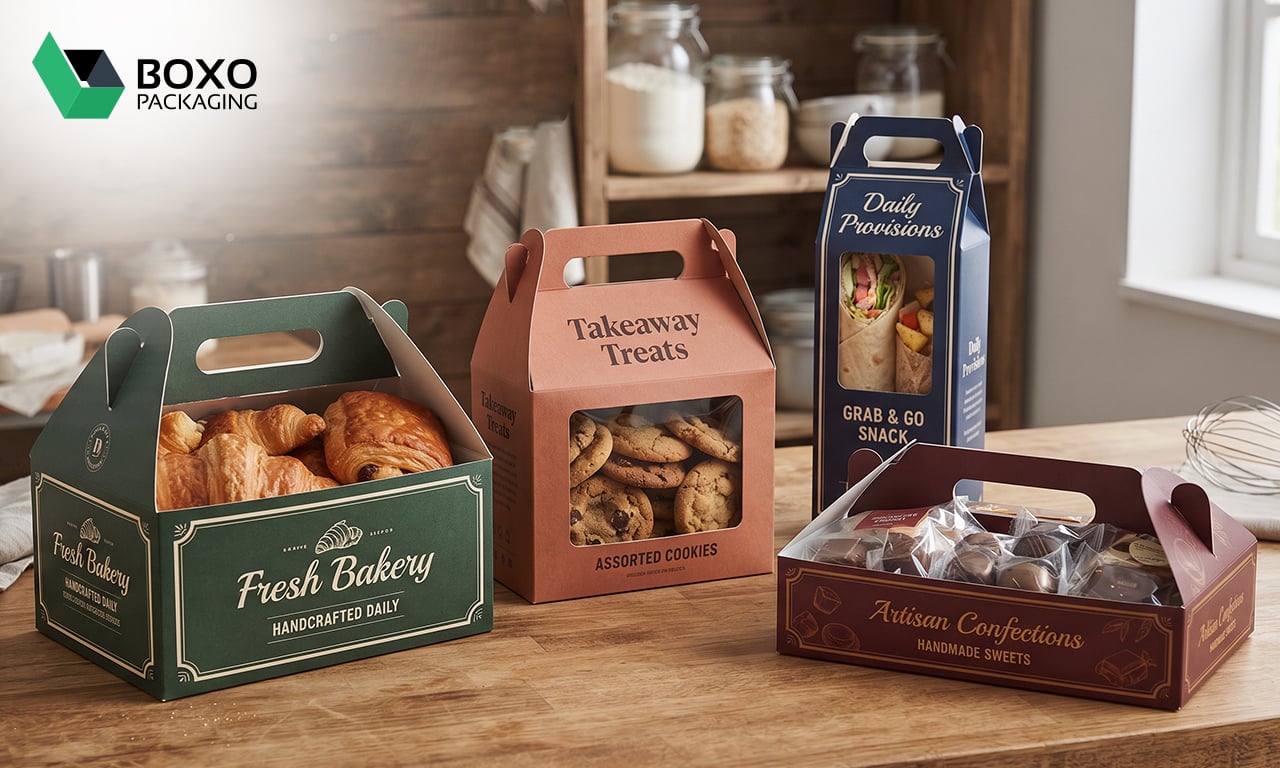
Off-the-shelf gable cartons carry products, customized ones carry a brand. Custom Gable Packaging changes the dimensions, handle shape, closure style, and print coverage to fit a specific gifting program. Corporate welcome kits, wedding favors, and holiday baskets each impose different requirements on the same basic structure.
A program shipping a mug, a notebook, and snacks needs different depth than one built around candles and preserves. Custom sizing starts with the contents list, not the catalog.
Aligning the Box With the Gifting Program
Branded programs usually begin with a contents audit: every item measured, weighed, and arranged into its final layout. The carton then wraps that layout with clearance for tissue or shred. Handle width scales with total weight, since a loaded corporate kit strains a standard loop. Matching these details at the design stage prevents the sagging sides and popped locks that undercut a gift’s first impression.
- Full-panel printing wraps logos around the box like gift wrap.
- Foil or embossing marks premium tiers without changing the structure.
- Interior prints add welcome messages visible on first opening.
- Perforated tear locks balance security against easy access.
Handle Variations Worth Considering
Die-cut oval handles suit light contents and cost nothing extra to add. Reinforced slots accept ribbon loops for a softer grip on heavier kits. Some programs skip the handle entirely in favor of a lift-off lid style that converts into a keepsake box after the gift is emptied.
Ordering for Events and Deadlines
Event gifting runs on fixed dates, so production schedules work backward from the venue. Ordering Custom Gable Packaging for a December program means proofing by September, production through October, and freight landing weeks before assembly day. Quantities should include ten percent overage for last-minute additions, since reprints at event speed carry steep premiums.
Design Approvals and Proofing Rounds
Branded programs usually pass through marketing, legal, and procurement before print approval. Building two proofing rounds into the schedule absorbs revision cycles without compressing production. Digital proofs settle color questions early; physical samples settle structure questions before plates are cut.
Sustainability in Gifting Programs
Recipients judge gift packaging by what happens after the unboxing. Recycled-content board, soy-based inks, and a printed recycling note convert the box from waste to keepsake. Some programs design the carton for reuse as a desk organizer or storage box, extending its life without a second production run.
Custom Tuck Boxes for E-Commerce Shipping
A carton that survives the shelf often fails the parcel network, where boxes drop, tilt, and ride beneath heavier freight. Custom Tuck Boxes built for e-commerce account for this abuse with thicker board, reinforced corners, and closures rated for vibration. The result protects the product through sorting facilities, delivery vans, and the final doorstep handoff.
Sizing plays the largest role. A snug box prevents internal movement, and movement causes most shipping damage long before board strength enters the picture.
Reinforcements for Parcel Travel
Dust flaps overlap to stiffen corners against impacts. Double-wall board adds crush resistance for heavier items, while stay-tape tabs keep closures engaged under vibration. Inside, die-cut inserts cradle products so the box absorbs shocks instead of the contents.
- Tear strips give recipients easy opening without damaging resale packaging.
- Resealable tucks support returns without replacement cartons.
- Hang-tab variants let mail-order products convert to retail display.
- Writable surfaces let packers add codes without extra labels.
Matching Cartons to Product Fragility
Weight and fragility set the specification. A candle needs crush resistance and a snug cavity; apparel needs light board and a clean print surface. For fragile contents, Custom Tuck Boxes need inserts or dividers that absorb shocks before the board does. Overspecifying wastes money on every order, while underspecifying turns shipping into a damage-claim pipeline. Testing loaded samples through a few real shipments settles the question cheaply.
Print That Survives the Parcel
Shipping scuffs the outside of every carton. Scuff-resistant coatings keep logos legible after sorting machines, and reverse-side printing protects critical information inside the walls. For brands that ship direct, the exterior must still look deliberate when the customer opens the box on camera.
Returns and Resealable Closures
E-commerce return rates make resealable features worth their cost. A second adhesive strip on the tuck flap lets customers send items back in the original carton, preserving the brand experience in both directions and saving the cost of replacement packaging for every return processed.
Dimensional Weight and Box Size
Carriers price parcels by dimensional weight, which divides volume by a set divisor. A carton an inch too large on each side can jump a price bracket without adding an ounce of product. Measuring the packed product first, then subtracting the product from the carton dimensions, yields the tightest box that still protects the contents.
Working With Suppliers on Custom Runs
Dielines, proofs, and material samples come before plates, and each step adds days that shrink the launch window. Sharing the product’s weight, dimensions, and fragility notes upfront lets a supplier recommend stock without guesswork. Boxo Packaging approaches custom tuck orders this way, pairing structural advice with print options so the first production run matches shipping reality.