







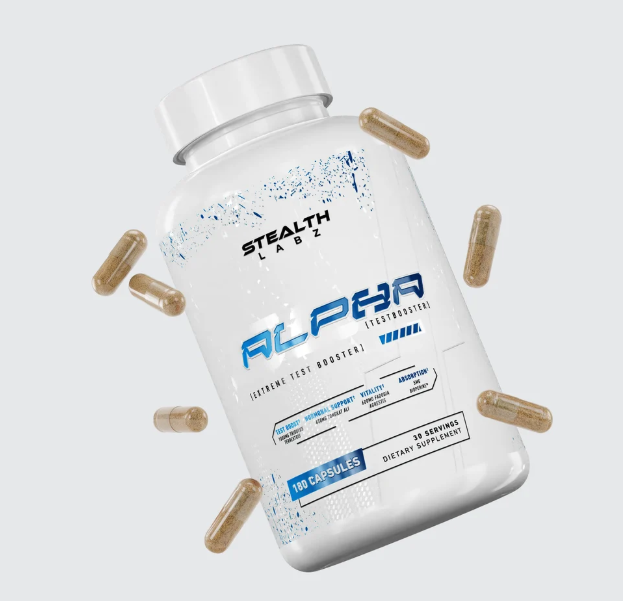
Physical activity places repeated demands on the body, making nutrition an important part of training and recovery. The food consumed throughout the day supplies energy and nutrients that support muscle function, tissue maintenance, and adaptation to exercise. Protein is particularly important because it provides amino acids, which the body uses to build and repair proteins. Amino acid supplements are one option athletes consider when planning their nutrition, but their usefulness depends on dietary intake, training demands, and the specific ingredients in a product.
What Are Amino Acids?
Amino acid supplements that combine to form proteins. They contribute to several functions in the body, including muscle maintenance, tissue repair, and the production of enzymes and other important molecules.
The body uses 20 amino acids to build proteins. Nine are classified as essential amino acids because the body cannot produce them in sufficient amounts, so they must come from food or supplementation. The remaining amino acids are considered nonessential or conditionally essential, depending on the body’s ability to produce them under different circumstances.
A balanced diet containing protein-rich foods can provide these nutrients. Common sources include eggs, dairy products, fish, poultry, meat, soy, beans, and combinations of plant-based foods. Supplements are concentrated products that may provide individual amino acids, a blend of essential amino acids, or branched-chain amino acids.
Understanding BCAAs and EAAs
Two terms frequently appear in sports nutrition: BCAAs and EAAs. They refer to different groups of amino acid supplements and should not be treated as interchangeable.
Branched-Chain Amino Acids
Branched-chain amino acids include leucine, isoleucine, and valine. They are three essential amino acids with a chemical structure that distinguishes them from other amino acids. They are found naturally in foods containing complete protein, including meat, fish, eggs, and dairy products.
Leucine is often discussed because it plays a role in regulating muscle protein synthesis. BCAAs can also be metabolised in skeletal muscle during exercise. However, taking these amino acids separately does not automatically produce better training results. The body needs all essential amino acids to build muscle proteins.
Essential Amino Acids
EAAs include all nine amino acids that must be obtained through diet or supplementation. Since muscle protein synthesis requires a complete supply of essential amino acids, EAA products provide a broader group than BCAA-only formulas.
The distinction is useful when comparing products. A supplement containing only three BCAAs does not provide the same amino acid profile as a formula containing all nine EAAs. The ingredient panel should therefore be checked rather than relying only on the product name.
How Amino Acids Relate to Exercise and Recovery
Exercise increases the body’s demand for processes involved in muscle repair and adaptation. Resistance training, for example, stimulates muscle protein synthesis, while adequate dietary protein supplies the amino acids needed to support this process.
The National Institutes of Health Office of Dietary Supplements explains that adequate protein intake is necessary to provide essential amino acids for muscle protein synthesis and to help minimise muscle protein breakdown. It also notes that evidence for additional benefits from BCAA supplementation remains inconsistent when protein intake is already sufficient.
This means supplementation should be considered within the wider diet. A person who regularly consumes enough high-quality protein may already receive substantial amounts of BCAAs and other essential amino acids. Someone whose dietary intake is limited may have different nutritional considerations.
When Might a Supplement Be Considered?
Supplement use may be relevant when an individual has difficulty meeting specific nutritional needs through regular meals. For example, athletes with demanding schedules may find it challenging to plan convenient protein-rich meals around training. A supplement can provide a measured amount of selected nutrients, although it should not replace a varied diet.
Before selecting a product, consider:
- Dietary intake: Review how much protein and which protein sources are already consumed.
- Training routine: Consider the type, frequency, and intensity of exercise.
- Ingredient profile: Check whether the formula contains BCAAs, all EAAs, or other added ingredients.
- Serving information: Follow the product label and avoid assuming that larger servings provide greater benefits.
- Individual needs: Health conditions, medications, and dietary restrictions may affect suitability.
A healthcare professional or registered dietitian can help assess whether supplementation is appropriate, particularly for people with medical conditions or those taking medication.
Reading Supplement Labels Carefully
Sports nutrition products may combine amino acids with electrolytes, flavourings, sweeteners, or other ingredients. Comparing labels helps users understand what they are consuming and avoid selecting a product based only on marketing claims.
Check the quantity of each amino acid per serving, the recommended serving size, allergen information, and any warnings. It is also sensible to look for transparent manufacturing and quality-control information. Athletes subject to drug testing may wish to choose products certified by a recognised third-party testing programme, as contamination can create avoidable risks.
The sports nutrition collection reviewed for this article includes a BCAA/EAA formula alongside protein and hydration products. These categories serve different nutritional purposes, so they should be compared according to their ingredients rather than treated as equivalent options.
Conclusion
Amino acids are essential to normal protein function, muscle maintenance, and exercise adaptation. However, supplements are not a substitute for sufficient food intake, consistent training, hydration, and recovery. Understanding the difference between BCAAs and EAAs makes it easier to evaluate product labels and nutritional claims. Anyone comparing sports nutrition options, including products from Stealth Labz, should prioritise ingredient transparency, evidence-based expectations, and suitability for their individual dietary needs.