






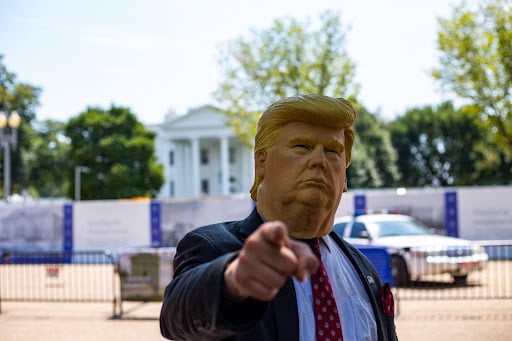
Like the relationship between a toxic ex and a tolerant partner, the relationship between the United States and Iran is known for its complexities. Especially during the presidency of Donald Trump, political tensions and disagreements took a toll, bringing a significant shift in dynamics between the two nations.
In this blog, let us explore the policies of the Trump administration that have left Iran politically and economically affected.
Economic Sanctions and Regional Tensions
Have you heard of the “maximum pressure” campaign? You probably have. Anyways, the Trump presidency saw to it that the re-imposition of sanctions went through with the maximum pressure campaign, creating severe economic consequences for Iran.
“What were the sanctions?” you may ask (and rightfully so). The sanctions basically targeted key sectors such as oil, banking, and shipping. This limited Iran’s ability to trade in the global market, creating a sort of economic isolation – ultimately increasing unemployment due to rising inflation. It also caused the most vulnerable segments of the population (the poor and marginalized) to bear the heaviest burden of these burnt-out economic hardships.
The Trump administration also took a very aggressive stance toward Iran’s regional influence. It labeled the Islamic Revolutionary Guard Corps (IRGC) as a terrorist organization. This was another poor move that escalated tensions in the (already volatile) Middle Eastern region. In January 2020, Iranian General Qasem Soleimani was assassinated, which further heightened tensions between the US and Iran and pushed them to the brink of conflict.
Undermining Diplomacy and Dialogue
Donald Trump’s policies toward Iran have left a lasting impact on Iran, affecting regional stability, the economy, and even the healthcare system. One of the most consequential decisions the former president made was the withdrawal from the Iran Nuclear Deal, officially known as the Joint Comprehensive Plan of Action (JCPOA). This decision, alone, led to the re-imposition of harsh economic disparity that crippled Iran’s economy and increased the burden on its citizens.
The imposition of economic sanctions and the escalation of regional tensions (as we’ve already discussed) also collectively contributed to the harm inflicted upon Iran.
What Can Be Done?
Yes, the main reason for most of the geopolitical problems that exist in the world today is caused by undeserving/unworthy politicians. Glad to be on the same page again. But what are we going to do about it? What if we collectively decide to take things into our own hands and do something? Wouldn’t things be much better?
Ray Vinson’s Iran Strikes Back is a gripping political fiction book that takes us into a world where Iran is compelled to retaliate against the perceived crimes committed by the United States and Israel. Do we blow both countries with our nuclear assets, or do we hold the ones actually responsible?
Discover the twists and turns that occur as a cooler head takes over, redirecting Iran’s focus from nuclear devastation to a strategic plan targeting the assets of Donald Trump and Benjamin Netanyahu.
Read Iran Strikes Back and explore the consequences and choices that would happen when a nation finally decides to take matters into its own hands.