


A beautiful landscape should do more than improve the appearance of a property. It should also complement the surrounding environment, withstand seasonal weather changes, and remain functional throughout the year. Homeowners in Anne Arundel County, Maryland, have unique landscaping opportunities because of the region’s natural scenery, varied soil conditions, and proximity to the Chesapeake Bay. Successful landscape design anne arundel county md projects combine attractive plants, thoughtful layouts, and durable outdoor features that respond to local climate conditions.
Creating a landscape that balances beauty and practicality requires careful planning. Humid summers, cold winters, seasonal rainfall, and occasional extreme weather can influence plant health and outdoor construction materials. A design that looks attractive initially may become difficult to maintain if it does not account for sunlight, drainage, and soil characteristics. Understanding these local factors helps homeowners create outdoor spaces that remain attractive and useful while supporting the property’s natural surroundings.
Understanding Anne Arundel County’s Climate and Landscape Conditions
Anne Arundel County experiences a humid subtropical climate with four distinct seasons. Summers are generally warm and humid, while winters can bring freezing temperatures, snow, and fluctuating weather conditions. Spring and autumn provide opportunities for planting and outdoor improvements, although rainfall patterns can vary throughout the year. These seasonal changes influence which plants are suitable, how outdoor surfaces should be installed, and what maintenance a landscape will require.
Soil conditions can also vary significantly between properties. Some yards have relatively well-drained soil, while others contain heavier clay or areas that remain wet after rainfall. Waterfront and low-lying properties may experience additional moisture-related challenges. Before choosing plants or installing hardscaping, homeowners should evaluate soil drainage, sunlight exposure, existing vegetation, and property elevation. These details help determine which landscaping solutions are appropriate for the specific location.
The Chesapeake Bay environment is another important consideration for local landscaping. Properties near waterways may be subject to additional environmental protections and stormwater management requirements. Homeowners should consider how fertilizers, pesticides, soil disturbance, and runoff affect surrounding natural resources. Choosing suitable plants and incorporating responsible water management practices can support an attractive landscape while reducing unnecessary environmental impacts.
Selecting Plants That Thrive in Maryland’s Seasonal Weather
Plant selection is one of the most important elements of successful landscape planning. Different plants have different requirements for sunlight, water, soil conditions, and temperature. Choosing varieties suited to the local environment can reduce maintenance needs and improve long-term growth. Instead of selecting plants based only on their appearance at a garden center, homeowners should consider how they will perform throughout the changing seasons in Anne Arundel County.
Native plants are particularly valuable because many are adapted to Maryland’s regional conditions. Depending on the property, homeowners can explore native flowering perennials, ornamental grasses, shrubs, and trees that provide seasonal color and habitat for local wildlife. Combining plants with different flowering periods creates visual interest throughout the growing season. Native vegetation can also support pollinators and contribute to a healthier local ecosystem when appropriately selected and maintained.
A balanced landscape should include a mixture of plant heights, textures, and colors. Evergreen shrubs can provide structure during winter, while flowering plants add seasonal interest during spring and summer. Ornamental grasses can introduce movement and texture, and strategically placed trees can provide shade during warmer months. A professional landscape designer can help organize these elements according to the property’s dimensions and growing conditions.
How Hardscaping Creates Structure and Durability
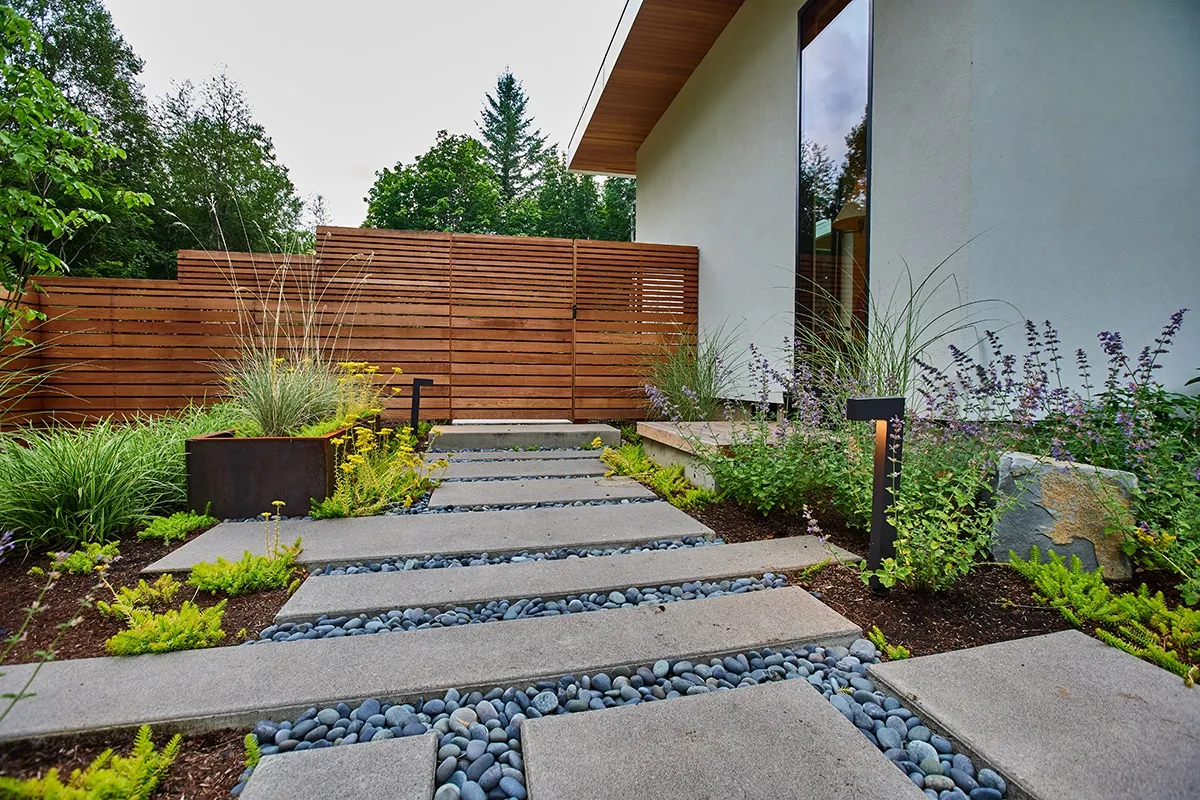
Plants provide natural beauty, but hardscaping gives an outdoor environment structure and functionality. Patios, walkways, retaining walls, steps, and decorative stone borders help organize different sections of a property. These features create practical surfaces for walking, dining, and entertaining while providing visual contrast against gardens and lawn areas. When designed carefully, hardscaping can make a landscape feel more organized without overwhelming its natural character.
Working with an experienced hardscape contractor annapolis md homeowners can trust helps ensure that these features are constructed with appropriate materials and installation techniques. Concrete pavers, natural stone, brick, and other hardscape products offer different appearances and performance characteristics. Material selection should consider the home’s architectural style, expected foot traffic, maintenance preferences, and exposure to local weather. Proper excavation, base preparation, compaction, and drainage are essential for creating stable outdoor surfaces.
Seasonal temperature changes make installation quality especially important. Moisture can enter small gaps in outdoor surfaces and contribute to movement or deterioration during freezing conditions. Suitable materials and proper construction methods help reduce these risks. Retaining walls also require careful planning because they must manage soil pressure and water movement. A qualified contractor should evaluate the property’s elevation, drainage conditions, and structural requirements before recommending a particular design.
Managing Rainfall and Drainage Through Smart Landscape Planning
Water management is an essential part of landscape design in Anne Arundel County. Heavy rainfall can create standing water, wash away mulch, damage planting beds, and contribute to soil erosion. Poorly directed runoff may also affect foundations, patios, and neighboring properties. A successful landscape should account for how water moves across the yard before new plants, walkways, or structures are installed.
Proper grading is one way to improve drainage and direct water away from vulnerable areas. Depending on site conditions, additional solutions may include drainage channels, French drains, rain gardens, or permeable paving. Rain gardens use suitable plants and prepared soil to help manage stormwater in designated areas. Permeable paving allows water to pass through the surface into an underlying aggregate system, reducing the amount of runoff compared with many conventional paving options.
Homeowners should also consider how planting choices influence water management. Plants suited to wet conditions may work well in naturally damp areas, while drought-tolerant varieties may be better for elevated or well-drained sections. Mulch can help maintain soil moisture and reduce erosion around planting beds. A knowledgeable landscape professional can evaluate the property’s conditions and recommend a combination of planting and drainage features that supports both appearance and functionality.
Creating Outdoor Living Spaces That Complement the Local Environment
Outdoor living areas have become an important part of residential landscape planning. Patios, seating areas, fire features, pergolas, and outdoor kitchens can extend the usable living space of a home. However, these additions should be designed according to the property’s layout and the family’s everyday needs. A comfortable outdoor environment should provide convenient access, appropriate seating, and enough room for movement without making the yard feel overcrowded.
Climate considerations should influence the placement of outdoor living features. A shaded seating area may provide greater comfort during humid summer afternoons, while a sheltered location can offer protection from seasonal winds. Trees, pergolas, and carefully positioned structures can help create comfortable spaces without completely blocking natural light. Durable materials are also important because outdoor furniture and construction surfaces experience regular exposure to moisture and temperature changes.
A coordinated design brings these features together with surrounding landscaping. For example, a paver patio can connect to a garden through a stone walkway, while planting beds soften the edges of the constructed surfaces. Retaining walls may create level seating areas on sloped properties, and decorative lighting can improve visibility during evening gatherings. Working with a qualified contractor helps ensure that each feature supports the overall design rather than appearing as an unrelated addition.
Sustainable Landscaping and Long-Term Maintenance
Sustainable landscaping focuses on creating an attractive outdoor environment while using natural resources responsibly. In Anne Arundel County, this may involve selecting native plants, reducing unnecessary lawn areas, improving soil health, and managing stormwater carefully. These practices can make landscapes more resilient and help reduce maintenance requirements over time. They are particularly valuable for homeowners who want an attractive yard without depending on excessive watering or chemical treatments.
Mulching, composting, and appropriate irrigation can support healthier planting areas. Organic mulch helps regulate soil temperature, retain moisture, and reduce weed growth. Compost can improve soil structure when used appropriately, while efficient irrigation systems deliver water where it is needed. Homeowners should also consider the mature size of plants before installation to prevent overcrowding and reduce the need for frequent pruning or replacement.
Long-term maintenance should be considered during the design stage rather than after construction. Some homeowners prefer detailed gardens with seasonal flowers, while others want simpler landscapes with evergreen shrubs and low-maintenance planting beds. The right design depends on available time, budget, and personal preferences. A professional can recommend practical plant combinations and construction materials that balance appearance with realistic maintenance expectations.
Choosing the Right Professionals for Landscape Design in Anne Arundel County
Selecting experienced professionals can make a significant difference in the quality of a landscaping project. Homeowners should review portfolios, ask for references, and compare written proposals before choosing a contractor. Look for professionals who understand local growing conditions, drainage requirements, hardscape installation, and applicable property regulations. A dependable contractor should also explain material choices, project timelines, maintenance expectations, and potential challenges before construction begins.
If your project includes patios, retaining walls, walkways, or other permanent outdoor structures, consider working with a qualified hardscape contractor annapolis md who understands the technical requirements of these installations. Ask about excavation methods, base preparation, drainage provisions, insurance, and workmanship warranties. Depending on the property’s location and project scope, permits or additional environmental approvals may also be necessary. Waterfront properties may have specific Chesapeake Bay Critical Area considerations that should be reviewed before work begins.
A professional landscape project should reflect the homeowner’s goals while respecting the property’s natural conditions. Clear communication, detailed planning, and suitable construction practices help prevent unnecessary complications and improve the final results. Requesting a written estimate with defined materials, labor, and project responsibilities also makes it easier to compare service providers and establish realistic expectations.
Conclusion
Balancing beauty and local climate is the foundation of successful residential landscaping in Anne Arundel County. The most effective designs combine suitable plants, durable hardscaping, proper drainage, and functional outdoor living features. By understanding local weather patterns, soil conditions, and environmental considerations, homeowners can create outdoor spaces that remain attractive and practical throughout the seasons.
Investing in landscape design anne arundel county md means thinking beyond immediate appearance and considering how the property will perform over time. Whether you are planning a new garden, upgrading an existing patio, or transforming your entire backyard, professional guidance can help you make informed decisions. With thoughtful planning and quality installation from an experienced hardscape contractor annapolis md, your landscape can become a welcoming outdoor environment that complements your home and the natural beauty of Maryland for years to come.