







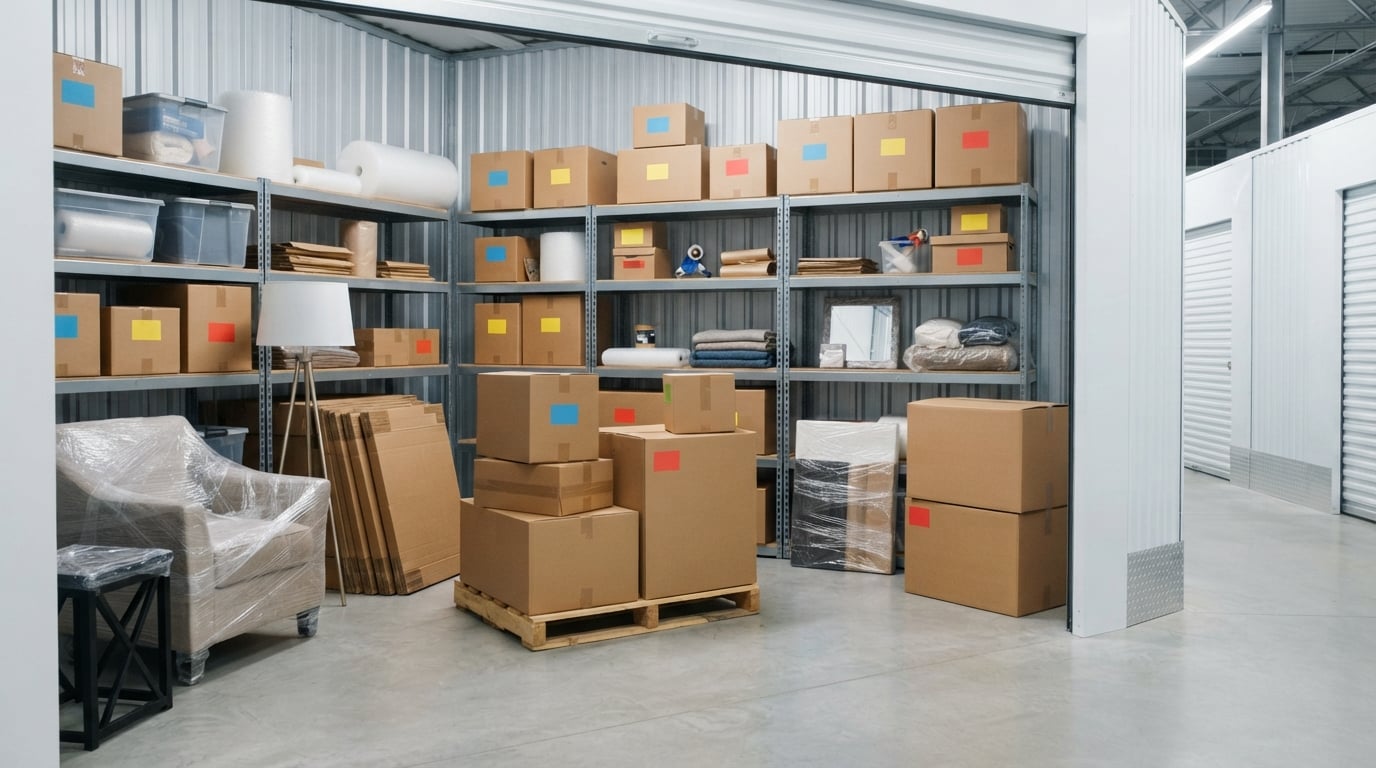
Packing belongings for storage may seem like a straightforward task, but placing everything into boxes without a proper plan can create unnecessary problems later. Unlabeled containers, poorly packed items, and disorganized arrangements can make it difficult to locate important belongings when you need them. Whether you are moving, renovating your home, downsizing, or simply creating additional space, an organized approach can make your storage experience much easier.
A well-organized storage unit saves time, protects valuable possessions, and helps you make better use of available space. With the right packing materials, clear labeling methods, and a practical layout, you can turn even a crowded storage area into an easy-to-manage space. Here are some useful strategies for packing and labeling boxes effectively.
1. Sort and Categorize Your Belongings Before Packing
Before purchasing boxes or packing supplies, take time to evaluate everything you plan to store. Starting with an organized inventory prevents unnecessary packing and helps you determine how much storage space you actually need.
Begin by separating belongings into categories such as kitchen supplies, clothing, books, decorations, electronics, documents, and seasonal equipment. Grouping similar items together makes packing more efficient and simplifies the process of finding things later.
It is also a good opportunity to identify belongings you no longer need. Consider donating usable items, recycling suitable materials, or disposing of damaged and unwanted possessions responsibly. There is little benefit in paying to store things that you do not intend to use again.
Once everything is sorted, estimate the number of boxes required for each category. Keep frequently needed belongings separate from items that will remain in storage for longer periods. This initial planning creates a foundation for organized storage solutions in North Tonawanda and helps prevent unnecessary clutter.
2. Choose the Right Boxes and Packing Materials
Using appropriate packing materials is essential for protecting belongings during transportation and storage. Not every box is suitable for every item, so choosing containers based on weight, size, and material can make a significant difference.
Small, sturdy boxes are generally better for heavy belongings such as books, tools, and kitchenware. Larger boxes work well for lightweight items, including bedding, pillows, and clothing. Avoid overfilling containers because excessive weight can weaken their bottoms and make them difficult to lift safely.
Use strong packing tape to secure box openings and reinforce the bottom seams. Bubble wrap, packing paper, and protective padding can help prevent scratches and breakage when storing delicate objects. Plastic storage containers may also be useful for certain items, particularly when additional protection from dust is desirable.
Choose uniform box sizes whenever practical. Similar-sized containers are easier to stack, arrange, and retrieve. Make sure everything is completely clean and dry before packing, and follow any special storage recommendations for sensitive belongings.
3. Pack Boxes Strategically to Protect Your Belongings
How you arrange items inside boxes matters just as much as the containers you choose. Poor packing can cause fragile possessions to break, clothing to become damaged, and boxes to collapse under pressure.
Start by placing a layer of cushioning material at the bottom of each box. Wrap fragile items individually and fill empty spaces with suitable packing material to prevent movement during transportation. Plates and similar items should be packed carefully with protective padding between them.
Distribute weight evenly and avoid placing heavy objects on top of delicate belongings. Keep similar items together so that you can unpack or retrieve an entire category without searching through unrelated containers.
For clothing and linens, use clean containers or suitable garment storage bags. Electronics should be cleaned, prepared according to manufacturer instructions, and protected with appropriate packaging. Keep important documents in suitable protective folders or containers.
Never pack prohibited, hazardous, or restricted materials in a storage unit. Perishable food and other items that may attract pests should also be excluded. Following these precautions helps keep your belongings and the storage environment in better condition.
4. Create a Clear and Consistent Labeling System
Labeling is one of the simplest ways to improve storage organization. Without clear labels, even carefully packed boxes can become difficult to identify after several months.
Write the general category and a brief description of the contents on multiple visible sides of each box. For example, instead of writing only “Household Items,” use descriptions such as “Kitchen – Cooking Utensils” or “Bedroom – Winter Bedding.”
You can also number each box and maintain a separate inventory list containing more detailed information. This is especially useful when storing a large number of containers or belongings from multiple rooms.
Color-coded labels offer another convenient option. Assign different colors to categories such as kitchen supplies, office materials, clothing, and decorations. This makes it easier to recognize groups of boxes without reading every label.
For additional convenience, consider using a digital spreadsheet to record box numbers, contents, and storage locations. Keep a copy on your phone so you can check your inventory whenever necessary.
A consistent labeling system makes organized storage solutions in North Tonawanda more practical and helps reduce the time spent searching for specific belongings.
5. Arrange Your Storage Unit for Easy Access
Packing and labeling are only part of the process. How you position boxes inside your storage unit also affects convenience and accessibility.
Before moving anything inside, create a basic layout based on the items you expect to retrieve most frequently. Place regularly needed boxes near the front, while belongings intended for long-term storage can go toward the back.
Arrange heavier boxes on the bottom and lighter containers on top. Avoid stacking fragile boxes beneath heavy items, and make sure each stack remains stable. Shelving, where permitted, can help separate categories and make better use of vertical space.
Leave a practical walkway through the unit so you can reach items without moving everything around. Keep labels facing outward and avoid stacking containers so high that retrieving them becomes difficult or unsafe.
It is also helpful to maintain a simple map of your storage layout. Mark the locations of important categories and update the map whenever you reorganize the unit.
When comparing storage units in North Tonawanda, NY, consider the unit dimensions, accessibility, and available features. Choosing an appropriately sized space makes it easier to maintain an organized arrangement over time.
6. Maintain Your Storage Organization Over Time
An organized storage unit requires occasional attention. Even a carefully arranged space can become cluttered if new belongings are added without updating the inventory or labeling system.
Whenever you place additional boxes inside, assign them a number, label their contents, and record their location. Avoid putting unidentified containers into the unit, as this can make future retrieval unnecessarily complicated.
Inspect your belongings periodically, especially if they will remain stored for an extended period. Look for damaged packaging, signs of moisture, unusual odors, or other changes that may require attention. Keep the space clean and follow the facility’s guidelines for storing different types of belongings.
If you regularly retrieve certain items, consider adjusting the layout to make them easier to reach. Remove unnecessary packaging and reorganize categories whenever your storage requirements change.
For residents looking for a dependable local storage facility in North Tonawanda, selecting a suitable unit and maintaining an effective packing system can make the entire experience more convenient.
Conclusion
Packing and labeling boxes properly can transform a storage unit from a crowded collection of containers into a well-organized space. By sorting belongings, choosing suitable packing materials, protecting fragile items, creating clear labels, and arranging boxes strategically, you can save time and help preserve your possessions.
Whether you are storing household belongings during a move or keeping seasonal items out of the way, a little preparation makes a lasting difference. With the right planning and storage arrangement, you can enjoy easier access, better organization, and greater confidence that your belongings are stored responsibly.