







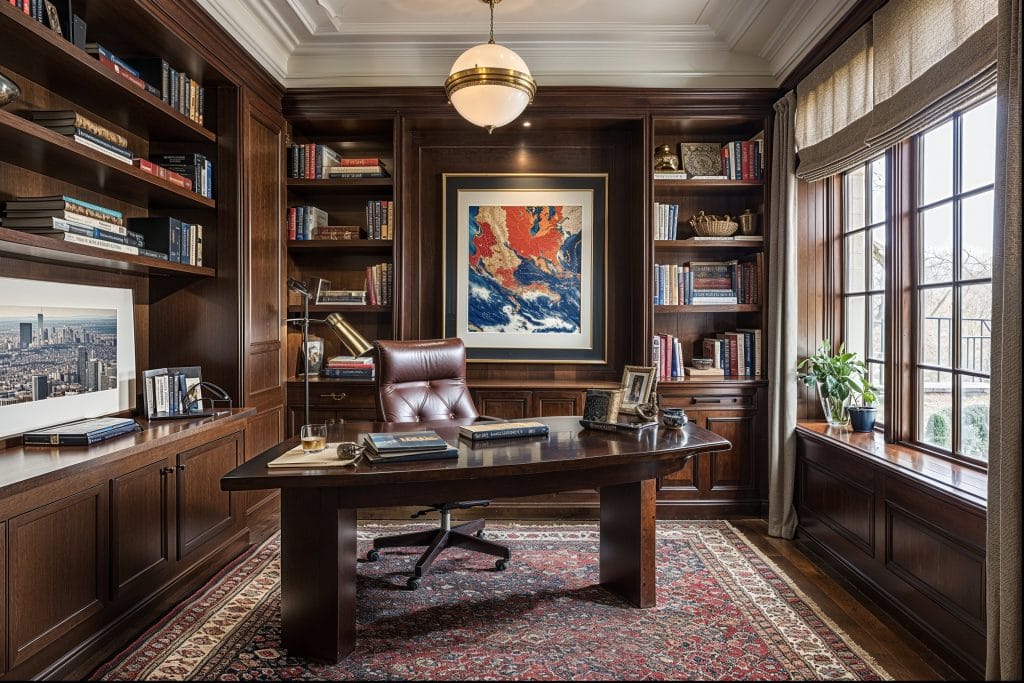
A well-designed home office can transform the way you work, helping you stay organized, focused, and comfortable throughout the day. Whether you work remotely, manage your own business, or simply need a dedicated place for personal projects, your workspace should combine practical functionality with an appealing interior design. Home office styling involves more than choosing an attractive desk and chair. It requires thoughtful decisions about furniture placement, lighting, color combinations, storage, and decorative accessories. Even small details, such as the position of a desk lamp or the material of a storage cabinet, can influence how the room looks and feels. A carefully planned workspace can also create a better separation between professional responsibilities and everyday home activities. By understanding the essential elements of office design, you can create a productive environment that reflects your personal taste while supporting your daily routine.
Understanding the Basics of Home Office Styling
Home office styling begins with understanding how the workspace will be used. Someone who spends most of the day working on a computer may need a large desk, an ergonomic chair, and organized equipment storage. A person who mainly handles paperwork or creative projects might benefit from additional surface space, bookshelves, and accessible storage compartments. Before purchasing furniture, consider your daily activities and identify the features that will make your work easier. This practical approach helps prevent unnecessary purchases and ensures that the final design supports your actual needs.
The available space should also influence your decorating decisions. A separate office provides greater flexibility, while a small bedroom corner or living room workspace requires more careful planning. Measure the room, identify suitable desk locations, and consider the position of windows, doors, and electrical outlets. Think about how people will move through the area and whether additional furniture could obstruct natural pathways. Planning these details in advance helps create a workspace that feels organized rather than crowded.
A consistent design direction makes it easier to coordinate different elements. Modern, Scandinavian, industrial, and mid-century-inspired interiors can all work beautifully in home offices. For example, Scandinavian styling often combines light wood, neutral colors, and simple furniture, while industrial interiors may incorporate darker finishes and metal accents. Choose a style that complements the rest of your home and reflects your preferences. The objective is to create a comfortable environment that feels connected to your existing interior rather than looking like an unrelated space.
Choose the Right Layout for Comfort and Productivity
The layout of a home office determines how effectively you can use the available space. Start by identifying the best position for your desk. Placing it near a window can provide natural light and create a more pleasant working environment. However, avoid positioning a computer screen where direct sunlight creates uncomfortable glare. If natural light is limited, choose a location that allows you to incorporate suitable artificial lighting without creating shadows across your work surface.
Consider the relationship between your desk, chair, storage units, and other furniture. Frequently used items should remain within easy reach, while less important supplies can be stored in cabinets or shelves. Leave enough room behind the chair to move comfortably and avoid placing large furniture pieces in narrow walkways. A practical layout should allow you to transition between different tasks without repeatedly rearranging your workspace. Good organization also helps maintain a clear visual structure throughout the room.
If your home office shares space with another room, use furniture placement to establish a separate working zone. A bookshelf, area rug, or compact storage cabinet can help distinguish the office from the surrounding living area. Positioning the desk against a wall may also reduce visual distractions and make better use of limited floor space. In open-plan homes, these simple arrangements can create a sense of separation without requiring permanent partitions. A clearly defined workspace makes it easier to focus on professional activities while maintaining the flexibility of a shared room.
Select Functional Furniture That Complements Your Design
Furniture is one of the most important elements of a successful home office. A desk should provide sufficient space for your computer, documents, and everyday work accessories. Consider its height, depth, material, and storage features before making a purchase. Wooden desks can introduce warmth and natural texture, while glass and metal designs often create a more contemporary appearance. Choose a desk that fits the room’s dimensions and provides enough space for your regular activities without overwhelming the interior.
An ergonomic chair is equally important, particularly for people who spend several hours working at a desk. Look for adjustable height, appropriate back support, and a comfortable seat. Your feet should rest comfortably on the floor or a footrest, and your arms should remain relaxed while typing. Although appearance matters, comfort and support should take priority when choosing an office chair. Upholstery, color, and frame finishes can then be selected to complement the rest of the furniture.
Storage furniture helps maintain a practical and visually balanced environment. Filing cabinets, floating shelves, bookcases, and drawer units provide dedicated places for documents and office supplies. If the room is small, consider vertical storage or furniture with built-in compartments. Keep frequently used materials accessible and store less important items away from the main work surface. A combination of functional storage and attractive furniture creates a workspace that remains organized without sacrificing its overall appearance.
Use Proper Lighting to Improve Your Workspace
Lighting is essential for creating a comfortable and functional home office. Natural daylight can make a workspace feel brighter and more welcoming, so positioning the desk near a window is often a practical choice. However, the direction of incoming light matters. Direct sunlight can create reflections on computer screens, while poorly positioned windows may produce distracting shadows. Adjustable blinds or curtains can help control brightness and make the working environment more comfortable throughout the day.
Artificial lighting should provide consistent illumination when daylight is unavailable. A combination of general room lighting and focused task lighting is usually effective. Ceiling fixtures can illuminate the entire room, while desk lamps provide additional light for reading, writing, and detailed activities. Adjustable lamps are especially useful because they allow you to direct light toward specific areas. Choose bulbs that provide comfortable brightness and avoid harsh lighting that causes unnecessary eye strain.
Lighting fixtures can also contribute to the decorative style of the office. A sculptural table lamp, modern pendant, or minimalist floor lamp can serve as an attractive design feature. Consider finishes such as brushed brass, matte black, polished chrome, or natural wood when selecting fixtures. These materials can complement desk hardware, shelving supports, and other decorative details. Combining practical illumination with attractive design creates a workspace that feels complete and thoughtfully arranged.
Create Visual Interest With Colors, Materials, and Decor
Color selection can influence the atmosphere of a home office and help establish its overall design identity. Neutral shades such as beige, warm white, soft gray, and cream provide a calm foundation for furniture and accessories. These colors work particularly well in smaller offices because they help create a brighter and more open appearance. If you prefer a more expressive interior, consider introducing muted green, navy, terracotta, or mustard through artwork, cushions, and accent furniture.
Materials and textures help prevent a workspace from feeling overly plain. Natural wood introduces warmth, while glass and metal can create a more contemporary appearance. Textiles such as wool rugs, linen curtains, and upholstered seating add softness to harder surfaces. Combining different materials creates depth and makes the office feel more connected to the rest of the home. Try to maintain a consistent balance so that no single material or finish dominates the entire room.
Decorative accessories should reflect your personality while supporting the overall design. Framed artwork, ceramic objects, decorative bookends, and small indoor plants can make the office feel more welcoming. A few carefully selected pieces often create a stronger visual effect than numerous unrelated accessories. Keep the desk relatively clear so that decorations do not interfere with work activities. When accessories are chosen according to their scale, color, and material, they can enhance the room without creating unnecessary clutter.
Incorporate Statement Dining Furniture and Multi-Purpose Design Elements
Although statement dining furniture is traditionally associated with dining rooms, its design principles can provide useful inspiration for home office interiors. Distinctive furniture pieces often introduce strong shapes, interesting materials, and visual character into a space. A sculptural wooden chair, a beautifully finished side table, or a distinctive cabinet can bring similar qualities into a home office. The idea is not to fill the workspace with dining furniture but to borrow design elements that create a more sophisticated and individual appearance.
Multi-purpose furniture is especially useful when working with limited space. A compact dining-style table may function as a writing desk in a small home office, provided its height and dimensions are suitable for comfortable work. A sideboard can provide storage for documents and equipment while offering a surface for decorative accessories. Similarly, an occasional chair can create a comfortable reading corner for reviewing documents or taking short breaks. Selecting versatile pieces helps maximize functionality without making the room feel crowded.
When introducing statement furniture into an office, consider its relationship with the existing layout. A distinctive piece should complement the desk, chair, and storage units rather than compete with them. For example, a sculptural wooden side table may work well alongside a minimalist desk, while a bold upholstered chair can introduce color into a neutral workspace. Keep the remaining decoration relatively simple so that the furniture remains a noticeable feature. This approach creates a balanced interior that feels both practical and visually interesting.
Organize Storage and Maintain a Clutter-Free Desk
A clean and organized workspace makes everyday tasks easier and helps maintain a professional environment. Begin by separating essential items from materials that are rarely used. Keep frequently needed supplies, such as notebooks, pens, chargers, and documents, within convenient reach. Use drawer organizers, desk trays, and storage boxes to prevent smaller items from spreading across the work surface. Establishing a designated place for everything makes it easier to maintain order throughout the working week.
Wall-mounted shelves and cabinets can provide additional storage without occupying too much floor space. Arrange books, files, and decorative objects in a way that balances accessibility with visual appeal. Use closed storage for items that you do not want on display, and reserve open shelves for frequently used materials or carefully selected accessories. If you handle large quantities of paperwork, a simple labeling system can make important documents easier to locate. Practical storage should simplify your routine rather than create another organizational task.
Cable management is another detail that can significantly improve the appearance of a home office. Computers, monitors, chargers, and desk lamps can create a complicated arrangement of visible wires. Cable clips, sleeves, and concealed organizers help keep these connections neat and reduce visual clutter. Position power strips where they remain accessible without becoming part of the main decorative arrangement. These small improvements can make even a basic workspace look more polished and professionally designed.
Personalize Your Home Office Without Sacrificing Functionality
A home office should reflect the person using it rather than looking like a generic commercial workspace. Personal artwork, meaningful photographs, favorite books, and carefully selected decorative objects can introduce individuality. Consider displaying items that inspire creativity or remind you of personal achievements. However, avoid filling every available surface with personal belongings. A selective arrangement creates a more balanced environment and allows meaningful objects to receive greater attention.
Indoor plants are another effective way to personalize the workspace. Plants introduce natural color, soften furniture edges, and make interiors feel more welcoming. Choose varieties according to the amount of daylight available and the level of maintenance you prefer. Smaller plants can sit on shelves or storage cabinets, while larger floor plants can fill unused corners. Combining greenery with natural wood and textured materials helps create a relaxed atmosphere without compromising the room’s professional appearance.
Finally, review your workspace regularly and make adjustments as your needs change. A home office that works well today may require different storage, furniture, or equipment in the future. Remove items that no longer serve a purpose and reconsider the placement of furniture if the room begins to feel crowded. Small improvements can maintain both functionality and visual consistency. A flexible workspace is easier to manage and can continue supporting your professional routine over time.
Conclusion
Effective home office styling requires a thoughtful combination of layout planning, functional furniture, appropriate lighting, practical storage, and attractive decorative details. Every element should contribute to a workspace that supports productivity while reflecting your personal design preferences. From choosing the right desk and chair to incorporating statement dining furniture-inspired accents, the goal is to balance everyday usability with visual appeal. A well-organized office does not need expensive furniture or an extensive renovation to look impressive. Careful planning, suitable materials, and a few meaningful accessories can transform almost any available area into an inspiring workspace. By focusing on comfort, organization, and consistent design, you can create a home office that remains practical, welcoming, and enjoyable to use.