




Buying mattress protectors in bulk is a practical way for retailers, hotels, hospitality businesses, and bedding suppliers to manage costs while maintaining product quality. However, choosing the right products requires more than comparing prices. Buyers need to consider material quality, waterproof performance, comfort, durability, and supplier reliability before placing a wholesale order.
A good mattress protector helps prevent spills, stains, dust, and everyday moisture from reaching the mattress. It can also extend mattress life and reduce replacement costs. For businesses purchasing multiple units, finding a reliable source for waterproof mattress protectors wholesale can make a significant difference in long-term value and customer satisfaction.
Whether you operate a bedding store, manage a hotel, or supply products to other businesses, understanding the essential features of quality mattress protectors will help you make better purchasing decisions. This guide covers what to look for, how to evaluate suppliers, and how to get the most value from bulk purchases.
1. Understand the Importance of Waterproof Mattress Protectors
A mattress is a significant investment, and protecting it from everyday damage helps maintain its condition. Accidental spills, sweat, body oils, and other forms of moisture can gradually affect mattress hygiene and appearance. A waterproof protector creates a protective barrier that helps prevent liquids from penetrating the mattress surface.
For hotels, rental properties, hospitals, and residential customers, this protection is especially useful. For example, hotel housekeeping teams can remove and wash mattress protectors between guest stays, helping maintain cleaner sleeping environments.
Businesses purchasing waterproof mattress protectors wholesale can also benefit from consistent product availability and better purchasing efficiency. Instead of ordering individual units whenever stock runs low, bulk purchasing makes inventory management easier. Selecting products that balance comfort, protection, and durability helps businesses deliver better value to their customers.
2. Choose the Right Material for Comfort and Durability
Material selection is one of the most important factors when buying mattress protectors. The material directly affects softness, breathability, noise levels, and overall sleeping comfort. A waterproof protector should provide reliable protection without making the mattress feel uncomfortable.
Common materials include cotton, polyester, bamboo-derived fabrics, and blended materials. Cotton-based protectors are popular because of their soft texture and familiar feel. Polyester options are often selected for their durability and easy maintenance. Some protectors use specialized waterproof membranes beneath the fabric to prevent liquid penetration.
When comparing materials, consider the following factors:
- Softness: Choose fabrics that provide a comfortable sleeping surface.
- Breathability: Look for materials that allow better airflow.
- Durability: Check stitching quality and resistance to regular washing.
- Noise: Select products that do not create unnecessary crinkling sounds.
The best option depends on your customers’ expectations and the intended use of the product.
3. Evaluate the Waterproof Technology
Not all mattress protectors provide the same level of liquid protection. Some products offer basic water resistance, while others feature fully waterproof barriers designed to prevent liquids from reaching the mattress.
Polyurethane (PU) membranes are commonly used in waterproof mattress protectors. They create a protective layer while allowing certain amounts of water vapor to pass through, depending on the product’s construction.
Before purchasing, ask suppliers about their waterproof testing standards and product specifications. Check whether the protector has been tested against common household spills and repeated washing.
For example, a hotel purchasing protectors for multiple rooms may need products that withstand frequent cleaning without losing their protective properties.
When evaluating waterproof mattress protectors wholesale, prioritize verified performance rather than relying only on product descriptions. Clear technical specifications make it easier to compare different options and select products that meet your business requirements.
4. Check Mattress Sizes and Fitting Options
A quality mattress protector should fit securely without constantly moving or slipping during use. Incorrect sizing can reduce comfort and leave parts of the mattress exposed.
Before placing a bulk order, identify the mattress sizes commonly used by your customers. Standard options may include Twin, Full, Queen, King, and California King, although available dimensions vary by market.
You should also consider the fitting style. Common options include:
- Fitted-sheet style: Designed with elastic edges to cover the mattress securely.
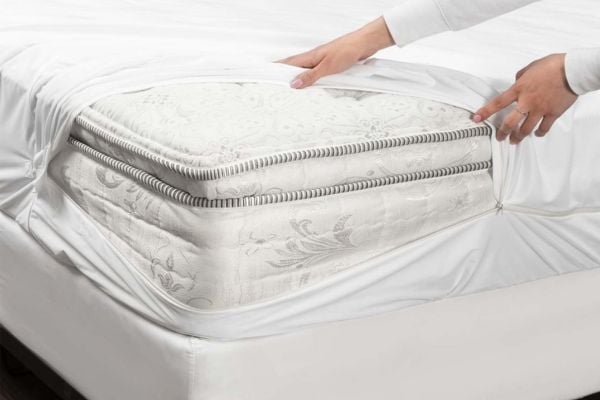
- Encasement style: Covers the mattress more completely, often with a zipper.
- Flat protectors: Designed to sit over the mattress surface.
Deep-pocket designs may be necessary for thicker mattresses or mattresses with additional toppers.
Always request accurate product dimensions from your supplier. If possible, order samples in different sizes before committing to a large quantity. This simple step can help prevent fitting complaints and unnecessary returns.
5. Compare Wholesale Prices Without Sacrificing Quality
Price is an important consideration when purchasing products in bulk, but choosing the cheapest option is not always the most economical decision. Low-cost protectors may use weaker fabrics, poor stitching, or less reliable waterproof layers.
Instead, evaluate the overall value of each product. Compare material composition, manufacturing quality, waterproof performance, washing instructions, and expected lifespan.
When requesting quotes for waterproof mattress protectors wholesale, ask suppliers about minimum order quantities, bulk discounts, shipping costs, packaging, and payment terms.
For example, a supplier offering a slightly higher unit price may provide better stitching, stronger waterproof protection, and more consistent sizing. These features can reduce customer complaints and replacement costs.
Calculate the total landed cost rather than looking at the product price alone. Include transportation, import duties where applicable, packaging, and other associated expenses. This provides a more realistic picture of your actual purchasing cost.
6. Find a Reliable Wholesale Mattress Protector Supplier
Choosing the right supplier is just as important as choosing the product itself. A dependable supplier should provide consistent quality, accurate specifications, reasonable pricing, and clear communication.
Start by researching manufacturers, wholesalers, and bedding distributors. Review their product catalogs and check whether they offer the sizes, materials, and quantities your business requires.
Before placing an order, consider these questions:
- Does the supplier provide detailed product specifications?
- Can they arrange product samples?
- Do they offer consistent manufacturing quality?
- What are their minimum order quantities?
- How long does production and delivery take?
- What is their policy for defective or damaged products?
You can also request product photographs, testing information, and customer references where available.
Working with an established wholesale mattress protector supplier can make future purchasing easier. Building a long-term supplier relationship may also help businesses negotiate better terms and maintain a more predictable inventory.
7. Consider Hygiene, Washing, and Maintenance Requirements
Mattress protectors are used regularly, so they need to withstand routine cleaning. For commercial environments, including hotels and accommodation facilities, washing requirements are particularly important.
Before purchasing, check the manufacturer’s care instructions. Some protectors can be machine-washed, while others require specific temperatures or gentle washing cycles.
Pay attention to drying instructions as well. Excessive heat may damage certain waterproof membranes or elastic components. Following the recommended care process helps maintain the product’s performance.
For businesses managing large quantities, choosing easy-to-maintain products can simplify housekeeping operations. For example, a hotel may keep additional protectors available so rooms can be prepared while used items are being washed.
Clear maintenance instructions should also be provided to customers. This helps prevent accidental damage and supports a better product experience.
8. Why Bulk Purchasing Makes Business Sense
Buying mattress protectors in larger quantities can offer several operational advantages. Retailers can maintain sufficient stock, reduce the frequency of purchasing orders, and potentially secure more competitive unit prices.
Hotels, guesthouses, healthcare facilities, and property management companies may also benefit from standardized products across multiple rooms or properties.
Another advantage is improved inventory planning. When businesses know their average monthly demand, they can purchase suitable quantities and reduce the risk of running out of essential supplies.
However, bulk buying should always be based on realistic demand. Ordering excessive quantities without considering storage capacity, product shelf life, or customer preferences can tie up working capital.
A practical approach is to start with a smaller order, assess customer feedback, and increase purchasing quantities once the product meets expectations. This reduces purchasing risks while helping businesses identify the most suitable products for long-term supply.
Conclusion
Buying quality mattress protectors in bulk requires careful attention to material, waterproof technology, sizing, durability, and supplier reliability. The right product should protect mattresses effectively while maintaining comfort and being easy to clean and maintain.
For retailers, hotels, and bedding distributors, waterproof mattress protectors wholesale purchasing can support better inventory management and more competitive product costs. However, long-term value depends on selecting products that meet customer expectations rather than focusing exclusively on the lowest price.
Take time to compare specifications, request samples, evaluate suppliers, and calculate total purchasing costs before placing a large order. A well-informed buying decision can help your business maintain consistent product quality, improve customer satisfaction, and build a dependable supply chain.
Frequently Asked Questions
1. What should I look for when buying waterproof mattress protectors wholesale?
Look for quality materials, reliable waterproof technology, comfortable fabrics, secure fitting, durable stitching, and easy washing instructions. Also compare supplier reliability, minimum order quantities, and bulk pricing.
2. Are waterproof mattress protectors suitable for hotels?
Yes. Waterproof mattress protectors can help hotels protect mattresses against accidental spills, moisture, and stains. Removable and washable designs are particularly useful for regular housekeeping and room maintenance.
3. Which material is best for waterproof mattress protectors?
The best material depends on comfort and intended use. Cotton and polyester fabrics are common choices, while waterproof PU membranes provide an additional protective barrier. Breathability, softness, and durability should all be considered.
4. Can waterproof mattress protectors be machine-washed?
Many waterproof mattress protectors are machine-washable, but washing instructions vary by manufacturer. Always follow the recommended temperature, detergent, and drying guidelines to avoid damaging the waterproof layer.
5. How can businesses find reliable wholesale mattress protector suppliers?
Businesses should research established manufacturers and distributors, compare product specifications, request samples, and review minimum order quantities. Checking customer feedback and discussing delivery and return policies can also help identify a dependable supplier.
Read more Articles.