






Parking bays, access lanes, and pedestrian walkways set the tone for any commercial site, shopping precinct, or public venue long before visitors step through the front doors. Accumulated leaves, windblown litter, grit, and stray packaging quickly make well-designed properties look neglected and create real hazards for drivers and walkers. Property managers and facility operators regularly arrange Park Sweeping to clear debris, protect surface paving, and maintain orderly vehicle movement across busy sites. Unchecked grit and organic waste can hold moisture against asphalt or concrete, accelerating surface wear and clogging stormwater drains during heavy rain. Proactive site upkeep helps reduce trip-and-fall risks while supporting a tidy, dependable appearance every day.
Understanding Park Sweeping
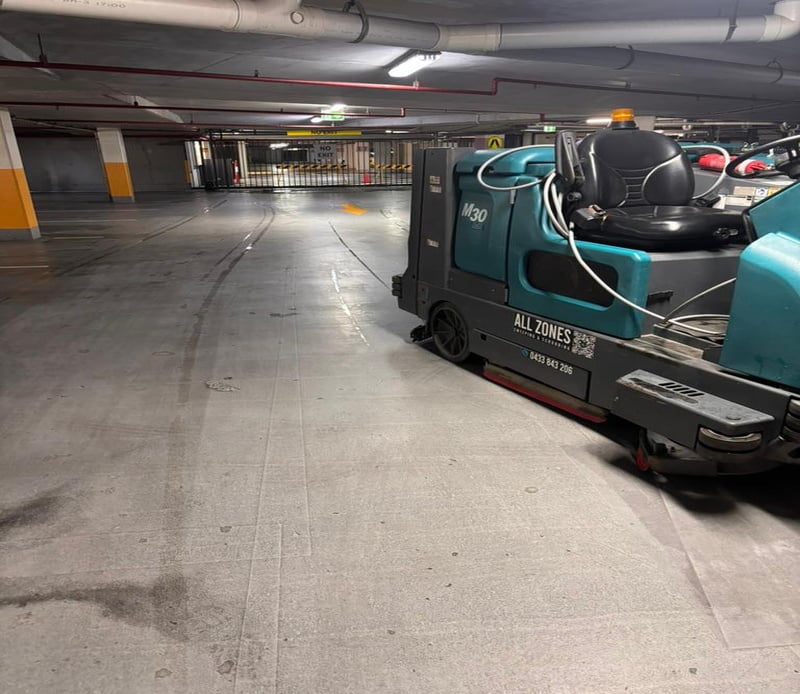
Effective Park Sweeping combines mechanical sweeping equipment, targeted litter collection, and scheduled site visits to keep parking areas free of loose debris, sediment, and everyday waste. Unlike occasional spot cleaning that only addresses obvious rubbish bins or entrances, structured sweeping covers perimeter kerbs, wheel stops, corner bays, and pedestrian footpaths where grit naturally gathers. Depending on layout and traffic patterns, operators may use ride-on sweepers for open bays, compact units for tighter aisles, and manual detailing around landscaping beds and bollards. Regular sweeping also helps keep stormwater grates and drainage channels clear of leaves and fine sediment that could otherwise wash into local waterways. Understanding how routine sweeping fits into broader property maintenance helps site managers protect both safety and pavement longevity.
Why Scheduled Sweeping and Equipment Choice Matter
Commercial and public parking zones face constant wear from vehicle tyres, shifting weather, delivery vehicles, and high foot traffic, making consistent scheduling and right-sized machinery essential. Heavy grit and fine dust act like mild abrasives under turning tyres, gradually wearing down line markings and surface aggregate if left uncollected. Matching sweeper brush pressure, hopper capacity, and dust-control systems to the site prevents debris from simply being kicked sideways or blown into neighbouring landscaping. Scheduling work during quieter hours—such as early mornings or late evenings—also reduces conflicts with shoppers, tenants, and delivery schedules. Thoughtful planning turns routine maintenance into a smooth, low-disruption part of facility operations.
Key Factors to Consider When Planning Site Sweeping
Every parking area has distinct traffic demands, surface conditions, and environmental exposures that influence how often sweeping is needed. Reviewing these core considerations helps property owners and managers structure practical maintenance programs.
-
Traffic Volume and Tenant Mix: High-turnover retail bays, medical precincts, and hospitality venues generate litter and tyre dust faster than low-traffic offices.
-
Tree Cover and Seasonal Debris: Surrounding trees, gardens, and coastal or breezy conditions increase leaf fall, twigs, and windblown sand across bays and kerbs.
-
Pavement Condition and Drainage: Cracked asphalt, uneven concrete joints, and nearby stormwater pits benefit from regular debris removal to prevent pooling and blockages.
-
Operating Hours and Access: Night or early-morning windows allow unobstructed access to bays while keeping daytime parking open for visitors and staff.
-
Complementary Surface Care: Combining mechanical sweeping with periodic scrubbing or pressure cleaning tackles oil spots, grime, and moss that dry brushing cannot lift.
How to Evaluate Sweeping Contractors and Quotes
Choosing a dependable contractor for Park Sweeping requires looking past headline prices to evaluate reliability, equipment readiness, communication, and safety standards. Facility managers should ask how missed or obstructed bays are handled, how schedule consistency is tracked, and whether operators carry appropriate public liability insurance. Clear written quotes should specify service frequency, included areas such as perimeter paths or loading zones, and how additional cleans or weather-related rescheduling are priced. Checking local reputation and responsiveness gives added confidence that crews will show up on time without constant follow-up. Businesses such as All Zones Sweeping & Scrubbing are known for combining mechanical sweeping and scrubbing expertise to keep commercial and community spaces clean and practical.
Quality Standards, Safety Practices, and Site Compliance
Reliable surface maintenance depends on safe machine operation, responsible waste disposal, and consideration for pedestrians, vehicles, and environmental rules. Operators should maintain clear visibility, use warning beacons and reverse alarms where appropriate, and keep a safe buffer around parked cars and walking paths. Collected sweepings and litter must be disposed of properly rather than dumped into drains or green spaces, helping prevent runoff pollution and stormwater blockages. Regular equipment maintenance and dust-suppression controls also protect air quality and ensure consistent sweeping performance across every visit. Clear communication around site rules and hazard reporting helps keep both crews and visitors safe.
Realistic Benefits and Long-Term Pavement Value
Consistent Park Sweeping delivers practical advantages—including cleaner entryways, clearer line markings, reduced slip and trip hazards, and slower surface degradation—though exact outcomes depend on pavement age, drainage, and traffic loads. Removing abrasive grit and organic matter helps preserve asphalt binders and concrete finishes, potentially extending the intervals between costly resurfacing or patching. Tidy kerbs and clear bays also make line marking more visible and help visitors navigate car parks with less confusion. While routine sweeping cannot fix structural base failures or deep potholes on its own, it supports healthier overall pavement condition when paired with timely repairs. Steady upkeep helps protect property presentation and operational smoothness over time.
Evolving Trends in Commercial Grounds and Surface Care
Property owners and facility managers increasingly look for surface maintenance approaches that balance operational efficiency, environmental care, and predictable budgeting. Low-emission or quieter equipment options, improved filtration for fine particulates, and targeted scheduling around peak weather events are gaining attention across commercial sites. Managers also favour consolidated maintenance partners that can coordinate sweeping, scrubbing, and pressure washing so different surfaces receive the right treatment without overlapping disruption. Clear digital reporting, photo updates, and flexible service frequencies make it easier for multi-site operators to track standards across locations. Adapting maintenance routines to real site conditions keeps outdoor areas functional and well-presented.
Final Thoughts
Maintaining clean, orderly outdoor parking areas is an everyday operational priority that supports safety, accessibility, and a positive first impression. By matching service frequency to site traffic, clarifying scope details upfront, and upholding safe, environmentally responsible practices, property managers can avoid preventable hazards and surface wear. Incorporating regular Park Sweeping into a broader property care plan gives visitors and tenants a cleaner, better-organized arrival experience. With consistent scheduling and capable support, your parking areas can remain safe and presentable year-round.