






Most people don’t plan a hardscape project all at once. It usually starts with one small annoyance. The patio floods after every storm, the back steps feel unsafe, or the yard just sits there unused. Then comes the question of what to fix first and what’s actually worth the money.
Local hardscape contractors Huntsville, AL homeowners talk to every year tend to recommend the same handful of upgrades, because they solve real problems and hold up over time. Some are practical, some are about looks, and the best ones do both. Here’s a plain-language look at the upgrades that keep coming up, and why each one is worth your attention.
A Patio Built on a Solid Base
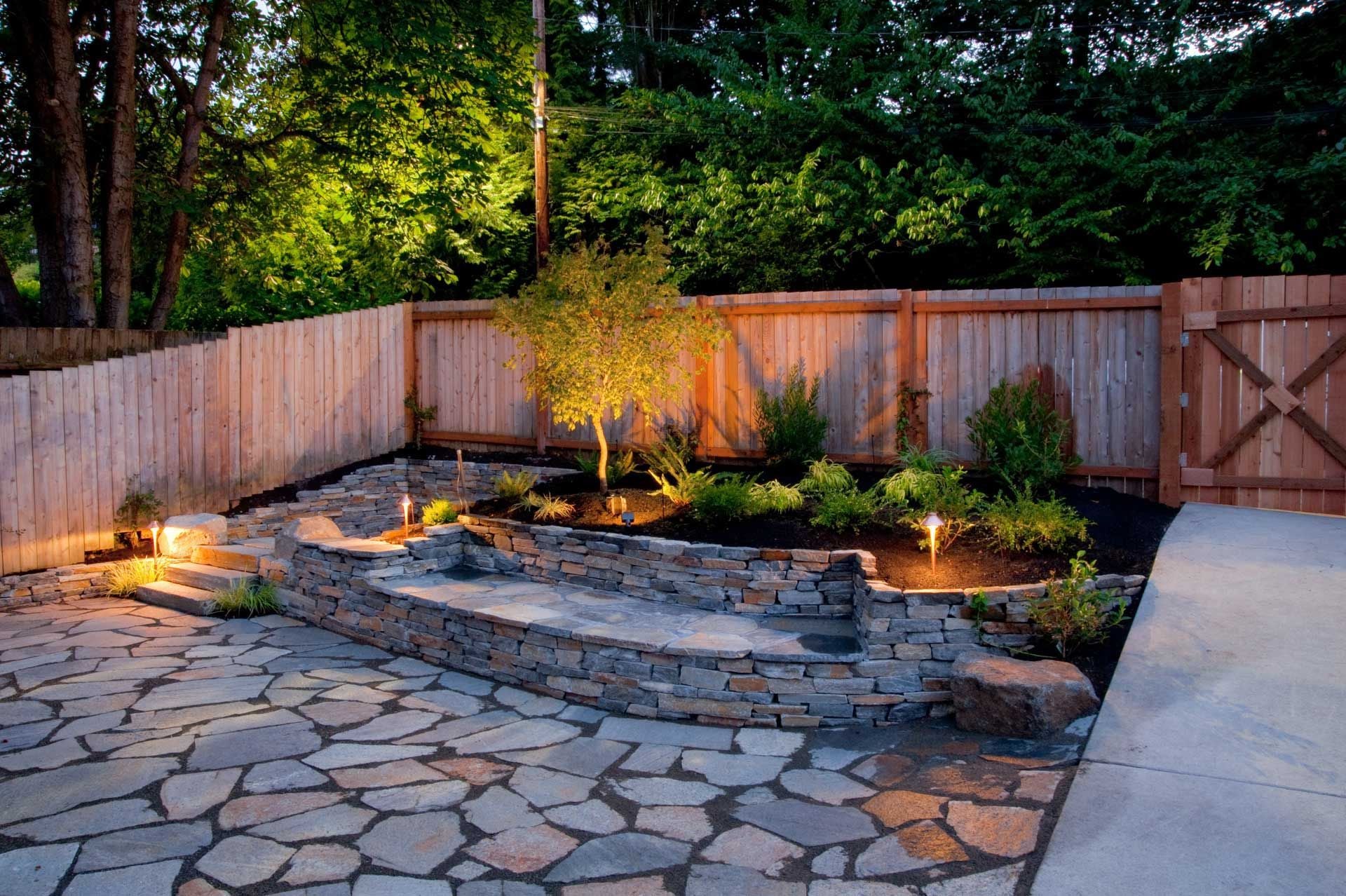
A patio is often the first thing people ask about, and it’s a smart place to start. It gives you a dry, level spot for meals, a grill, or a few chairs. What matters most is what you can’t see, which is the base. Contractors dig out the soil, add compacted gravel, and set the surface on top.
Skip that step and the patio sinks or shifts within a couple of years. Pavers, stone, and stamped concrete all work well when the base is done right. Choose based on your budget and the look of your house, and ask for samples so you can see the color in daylight.
Retaining Walls That Fix Slopes
North Alabama has plenty of hills, and a steep yard is hard to use. A retaining wall holds soil back and turns one slope into flat, usable levels. Those levels can hold a garden, a lawn, or a seating area. The wall has to be designed for the job, though. Height, soil type, and the weight above it all matter.
This is where good hardscape contractors Huntsville, AL residents trust earn their pay, since a wall built without drainage tends to fail. Ask how water will escape behind it before you agree to anything.
Drainage That Protects Your Work
It’s not the most exciting item on the list, but drainage may be the smartest money you spend. Heavy rain can wash out mulch, undermine a patio and push against walls. Simple fixes like gravel trenches, buried drain pipe and proper grading send water where it should go. Many contractors build these into the project from the start. Adding them later usually means tearing something out, so it’s far cheaper to plan.
Steps and Walkways That Feel Safe
Wet grass and a slope make a slippery combination. Stone or paver steps give you steady footing, and a clear walkway keeps people off the lawn. Good steps have even heights and enough depth for a full foot. Paths can connect the driveway, patio, and back door in a way that feels natural. A small detail like a slightly textured surface adds grip when it rains, which matters more than most people expect.

Fire Pits and Seating Walls
If you want your yard to feel like a place people gather, a fire pit does it fast. Pair it with a low seating wall, and you won’t need much furniture at all. A wall about 18 inches high with a flat top works as a bench and keeps the area open. Cool fall evenings in North Alabama make this one of the most used features in a backyard. Just keep it a safe distance from the house and any overhanging branches.
Lighting for Safety and Mood
Lighting is easy to forget until the first dark evening on the patio. Low lights along steps, walls, and paths make the yard safer and more inviting. They also show off textures in the stone. It’s best to plan wiring before the patio goes in, so nothing needs to be dug up afterward.
A Local Name Worth Knowing
If you’d like a starting point for your shortlist, Legacy Outdoor Services is worth a call. They’re a family-owned company serving Huntsville, Madison and Athens, and they offer free consultations. They also bring walls, patios, drainage and landscaping together in one plan, and their 3D designs help you picture the result before work begins.
Conclusion
You don’t have to do everything at once. Pick the upgrade that solves your biggest problem first, whether that’s water, a slope, or a lack of usable space, then build from there. Talk with a few hardscape contractors Huntsville, AL has to offer, ask plenty of questions, and get the plan in writing. A little patience at the start means a yard you’ll enjoy for years.
FAQs
1. Which hardscape upgrade adds the most value to a home?
Patios, retaining walls, and well-planned outdoor living areas usually appeal most to buyers, since they expand usable space. Value depends on quality, design, and how well the work suits your property. A smaller, well-built upgrade often beats a large one that’s poorly planned or badly drained.
2. How often does hardscaping need maintenance?
Maintenance is fairly light. Sweep debris, rinse surfaces, and keep drains clear. Pavers may need fresh joint sand every few years, and some stone surfaces benefit from sealing. Check walls and steps after heavy storms and fix small shifts early, before they grow into larger repair jobs.
3. Can I do hardscaping in stages?
Yes, and many homeowners do. Start with the part that solves your biggest problem, such as drainage or a retaining wall, then add a patio or lighting later. Share the full plan with your contractor first, so early work fits what comes next.
4. What is the best material for a patio in Alabama?
There’s no single best option. Pavers are durable and easy to repair, natural stone gives a classic look, and concrete is budget-friendly. Alabama’s heat and heavy rain make good drainage and a solid base more important than the surface material you choose.