




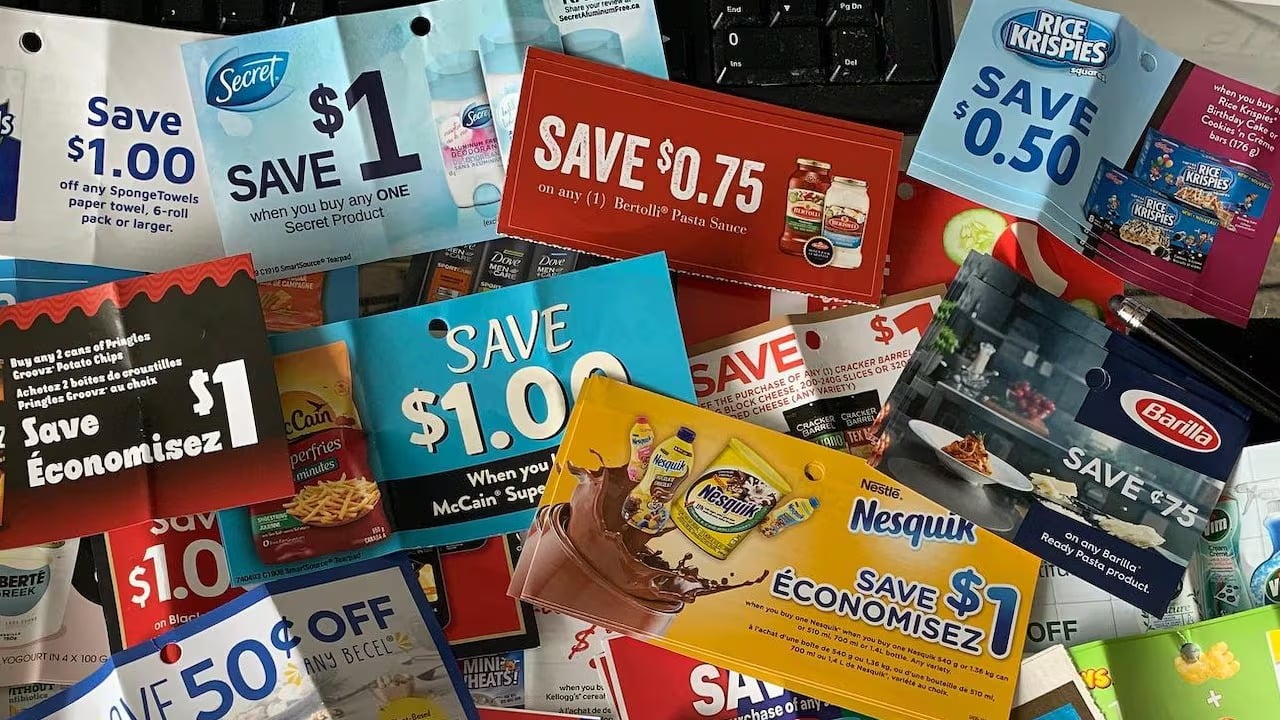
Ask ten people how they save money on shopping and nine will say “I search for a promo code at checkout.” That’s fine. It works about one time in three. A coupons expert plays a different game altogether.
I’ve spent enough time around deal-hunters to know the difference. It isn’t luck, and it isn’t some secret browser trick. It’s a handful of habits that stack on top of each other.
So, what is a coupons expert?
A coupons expert is someone who knows when, where and how discounts appear, not just that they exist. They track store sales cycles, know which codes stack and which cancel each other out, and can tell a real deal from a fake “70% off” built on an inflated price.
Some do this as a hobby. Others run deal blogs or coupon sites and get paid a commission when you shop through their links. Either way, the skill is the same: patience plus pattern recognition.
What they do differently
1. They never buy on the first visit.
Most online stores track abandoned carts. Add an item, leave, and a “come back, here’s 10% off” email often lands within a day or two. Experts just wait for it.
2. They know the calendar.
Jackets go cheap in late winter. Laptops drop around back-to-school. Electronics crash during Black Friday, but the best prices are often the week before, when stores quietly pre-empt each other. Timing alone can beat any code.
3. They stack carefully.
A store code, a cashback site, a card offer and a free-shipping threshold can all apply to one order. Experts check the terms first, because one wrong combination can void the lot.
4. They check the price history.
A “sale” means nothing if the item was that price all year. Price trackers show the real story in seconds. If the “discount” is just the normal price wearing a costume, they walk away.
5. They read the fine print.
Minimum spend, excluded brands, expiry dates, one-use-per-customer rules. It’s boring, and it’s exactly why most people’s codes fail at checkout.
How to find legit coupons (and skip the fake ones)
Not every code you find online is real. Some are expired, some are bait to get you clicking, and a few lead to sketchy sites. A few rules help:
- Start with the brand’s own newsletter and social pages. Their best offers show up there first.
- Use coupon sites that show a “last verified” date, not just a pile of untested codes.
- Be suspicious of any code that promises 80–90% off a popular brand. Real discounts are usually 10–30%.
- Never enter card details on a site you wouldn’t normally trust, no matter how good the deal looks.
A simple routine you can copy
- Decide what you need before you start browsing.
- Check the price history.
- Put the item in the cart and wait 24–48 hours.
- Search for a verified code and check for cashback.
- Compare the final price, shipping included, with one other store.
That’s it. It adds maybe ten minutes per purchase, and over a year the savings genuinely add up.
The bottom line
Being a coupons expert isn’t about hoarding codes. It’s about being the calmest person in the shop: you don’t rush, you don’t trust a banner just because it’s red, and you know the number you’re willing to pay before you start. Do that for a few months and you’ll notice something odd: you spend less and buy better things.