






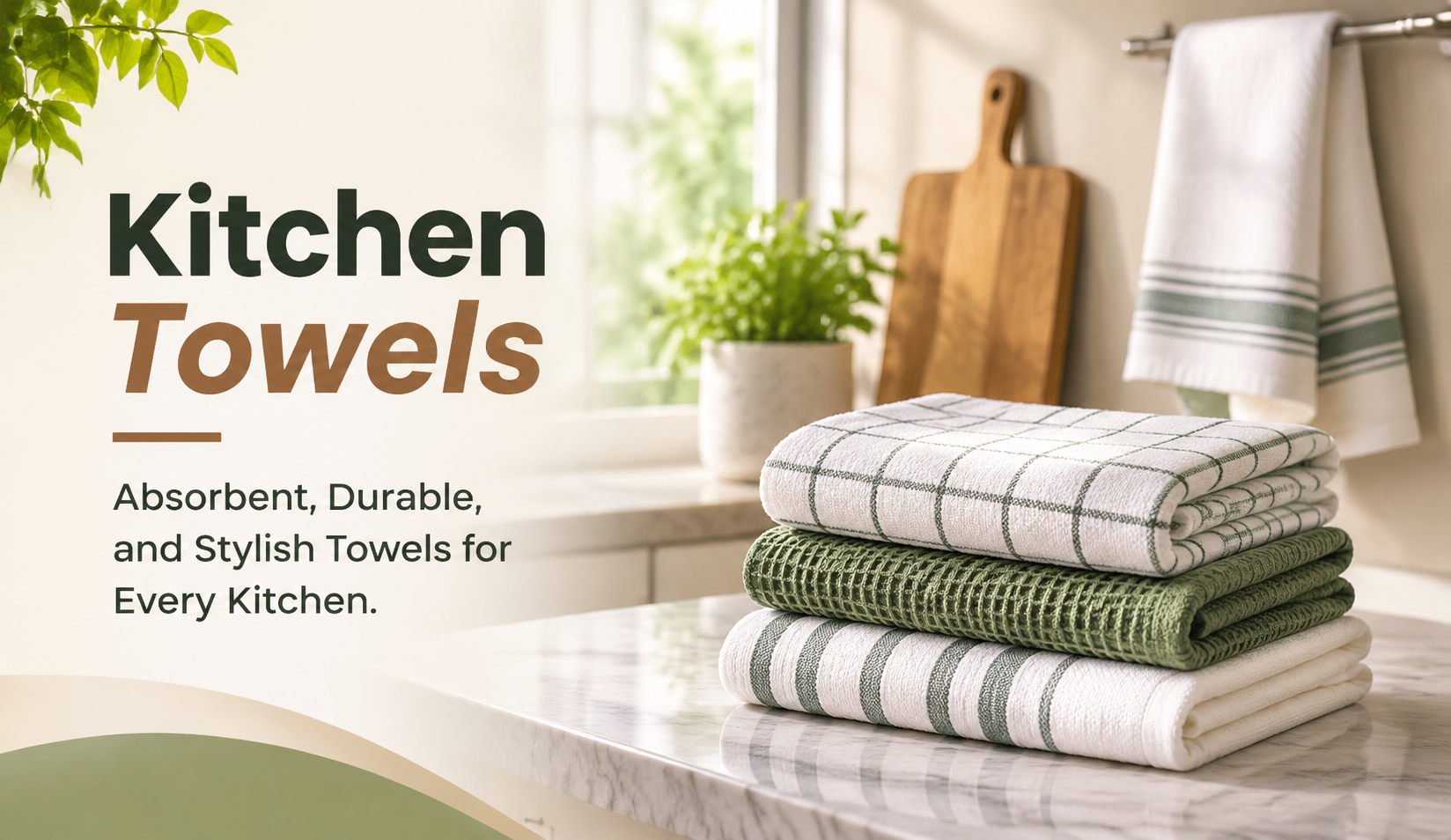
Kitchen essentials often serve more purposes than we initially expect. Many households keep a collection of kitchen textiles for everyday cleaning, cooking, and decorating, yet they rarely explore their full potential. This approach can lead to unnecessary purchases, cluttered drawers, and missed opportunities to make everyday kitchen tasks easier. Choosing versatile Kitchen Towels gives you a simple way to improve both kitchen functionality and appearance without adding more complicated accessories.
At Towel Hub, we understand that practical kitchen products need to do more than look attractive. They should support everyday routines, handle frequent washing, and offer flexibility for different household needs. With the right fabric, size, and care routine, a simple kitchen towel can become one of the most useful items in your home.
In this guide, we explore ten creative ways to use kitchen towels beyond drying dishes, along with practical tips to help you get more value from your kitchen linens.
1. Use Kitchen Towels as Stylish Bread and Food Basket Liners
Food presentation matters, even during casual meals at home. A simple fabric liner can make a breakfast basket, bread tray, or serving bowl look more inviting. Instead of placing bread directly inside a basket, line it with a clean cotton towel to create a softer and more attractive presentation.
Keep Bread Fresh During Serving
A breathable cotton towel can help protect bread from direct exposure to air while you serve it. Fold the edges around the bread to create a neat presentation, but avoid wrapping warm bread too tightly because trapped steam can soften the crust.
Improve Your Table Presentation
Choose neutral shades, subtle stripes, or seasonal patterns that complement your dining space. A coordinated towel can add warmth to a breakfast setup without requiring expensive table accessories.
Practical tip: Always use a fresh, food-safe towel for serving. Wash it after each use, especially when it comes into contact with crumbs, moisture, or food residue.
2. Dry Fresh Herbs and Vegetables After Washing
Fresh herbs and vegetables often retain excess water after rinsing. That moisture can affect storage, create soggy salads, and reduce the quality of delicate ingredients. A clean, absorbent kitchen towel offers a simple way to manage this problem.
Remove Excess Moisture from Fresh Produce
Spread washed herbs, lettuce, spinach, or other vegetables across a clean towel. Gently pat the ingredients dry instead of rubbing them, particularly when handling delicate leaves.
For herbs such as parsley, coriander, and mint, use a soft cotton towel to absorb surface moisture before placing them in a suitable storage container.
Make Meal Preparation Easier
Dry ingredients help prevent watery salads and improve the consistency of many recipes. You can also prepare vegetables in advance and store them according to their individual storage requirements.
Practical tip: Use a separate towel for produce rather than reusing one that previously handled dishes, cleaning products, or raw ingredients.
3. Create a Temporary Cover for Dough While It Rises
Baking requires attention to small details, and dough preparation offers another useful opportunity for kitchen towels. Many home bakers use clean fabric to cover dough during proofing because it helps protect the surface from dust and direct airflow.
Protect Dough During Proofing
After kneading, place your dough inside a suitable bowl and cover it with a clean, slightly damp, lint-free towel. This helps limit surface drying while the dough rests.
The towel should sit loosely over the bowl rather than press against the dough. This gives the dough enough room to expand during fermentation.
Choose the Right Fabric
Cotton works well because it offers breathability and easy maintenance. Avoid towels that shed lint, contain strong detergent fragrances, or carry food residue.
Practical tip: Always follow the recipe’s recommended proofing temperature and timing. A towel provides a protective cover, but it does not replace proper fermentation conditions.
4. Use Kitchen Towels as Reusable Table Placemats
You do not always need dedicated placemats to create an attractive dining arrangement. Larger kitchen towels can serve as informal table mats for breakfast, lunch, or casual family meals.
Add Texture to Your Dining Space
Fold a towel into a rectangular shape and place it beneath a dinner plate. Coordinate its color with your tableware, napkins, or dining room décor to create a consistent look.
Neutral cotton, classic checks, and simple woven patterns work particularly well in modern and farmhouse-style interiors.
Create Seasonal Table Settings
Change your towel colors according to the season or occasion. Warm shades can complement autumn dining, while lighter colors create a fresh appearance during spring and summer.
Practical tip: Choose towels with a smooth, flat surface so plates and glasses sit comfortably. Avoid thick folds that create an uneven dining surface.
5. Protect Kitchen Surfaces During Food Preparation
Kitchen countertops often collect scratches, water marks, and small spills during cooking. A folded towel can provide a temporary protective layer for specific food preparation tasks.
Stabilize Cutting Boards
Place a slightly damp, folded kitchen towel underneath a cutting board. The fabric creates friction between the board and countertop, helping reduce unwanted movement while you chop vegetables or prepare ingredients.
This simple technique can make everyday food preparation more comfortable and controlled.
Protect Countertops from Minor Spills
You can also place a towel beneath mixing bowls, measuring cups, or containers that may drip during preparation. It helps catch small spills before they spread across your countertop.
Practical tip: Never use an ordinary kitchen towel as an oven mitt or rely on it to handle hot cookware. Choose heat-rated protective equipment for those tasks, and replace damp towels during food preparation.
6. Turn Kitchen Towels into Reusable Gift Wrapping
Gift wrapping does not always require disposable paper, plastic ribbons, or decorative packaging. A clean and attractive kitchen towel can become part of the gift itself.
Try Fabric Gift Wrapping
Place a gift in the center of a square or rectangular towel. Bring the opposite corners together and secure them with a decorative knot or reusable ribbon.
This technique works particularly well for housewarming gifts, cooking accessories, baking sets, and small kitchen products.
Make the Packaging Part of the Present
Choose a towel that matches the recipient’s kitchen style or the occasion. A simple neutral design suits modern homes, while colorful patterns can create a more playful presentation.
Unlike conventional wrapping paper, the recipient can continue using the fabric after opening the gift.
Practical tip: Select a towel with enough fabric to cover the item comfortably. Make sure the wrapping stays secure without placing excessive pressure on fragile products.
7. Clean and Polish Glassware Without Leaving Unwanted Lint
Glassware, mirrors, and stainless-steel surfaces often show fingerprints, water spots, and small fabric fibers after cleaning. The towel you choose can make a noticeable difference in the final result.
Choose a Suitable Fabric for Glass Cleaning
Use a clean, lint-free cotton or microfiber towel for polishing drinking glasses and glass surfaces. Avoid heavily textured or worn fabrics that may leave fibers behind.
For best results, remove excess water first and finish with gentle, even strokes. Keep the towel dry when you polish the final surface.
Understand Why Some Towels Leave Lint
Loose fibers, fabric quality, wear, and washing habits can all contribute to lint problems. New towels may also release loose fibers during their first few washes.
We recommend reading our guide on preventing towel lint to understand common causes and improve your glass-cleaning routine.
Practical tip: Keep one dedicated set of lint-free towels for glassware rather than mixing them with general-purpose cleaning cloths.
8. Create a Temporary Drying Surface for Washed Kitchen Items
Not every kitchen has enough counter space for a large dish-drying rack. Kitchen towels can provide a temporary drying area for smaller items when you need additional space.
Dry Cups, Utensils, and Small Accessories
Spread a clean, absorbent towel across a flat countertop. Arrange washed cups, cutlery, and lightweight kitchen accessories in a single layer with enough space between them for airflow.
The towel absorbs dripping water and helps protect the countertop from puddles.
Keep Your Drying Area Hygienic
Change the towel whenever it becomes noticeably damp. Avoid leaving wet utensils or dishes on fabric for extended periods because trapped moisture can encourage unpleasant odors and microbial growth.
Practical tip: Choose a quick-drying towel with good absorbency. After use, wash it and allow it to dry completely before storing it.
9. Use Kitchen Towels for Everyday Dusting and Cleaning
Kitchen surfaces collect more than food residue. Dust, fingerprints, and small marks can quickly make shelves, cabinet doors, and appliances look untidy.
A dedicated cleaning towel gives you a reusable option for handling these everyday tasks.
Clean Cabinets and Appliances
Use a slightly damp, soft towel to wipe cabinet fronts, refrigerator handles, microwave exteriors, and other suitable surfaces. For stubborn marks, follow the appliance manufacturer’s cleaning instructions and use an appropriate cleaning solution.
Organize Towels by Cleaning Purpose
Keep separate towels for food preparation, glass cleaning, and general household cleaning. This approach reduces cross-contamination and makes it easier to select the right fabric for each task.
Practical tip: Wash cleaning towels separately when they contain grease, chemical residue, or heavy dirt. Never use a towel that has handled household cleaning chemicals on food-contact surfaces.
10. Add a Decorative Touch to Your Kitchen Interior
Kitchen textiles can influence the overall appearance of a room without requiring major changes to its furniture or layout. A carefully selected towel can introduce color, texture, and visual balance into an otherwise simple kitchen.
Coordinate Colors and Patterns
Start by identifying the main colors in your kitchen. If your cabinets, countertops, and walls feature neutral shades, introduce subtle contrast through patterned or colored towels.
For kitchens with bold interiors, choose simpler designs that complement existing elements instead of competing with them.
Display Towels as Part of Your Décor
Fold attractive towels neatly and place them on an open shelf, hang them from a suitable towel rail, or arrange them in a small kitchen basket.
You can also rotate your designs throughout the year to refresh the space without buying additional decorative accessories.
Practical tip: Balance appearance with functionality. Keep decorative towels separate from heavily used cleaning towels so your kitchen always looks organized.
How to Choose Kitchen Towels for Multiple Uses
The ten ideas above show that one kitchen textile can support several household activities. However, not every towel suits every task. Fabric composition, absorbency, texture, durability, and size all influence performance.
Here are a few factors worth considering before choosing your next set.
1. Fabric Composition
Cotton remains a popular choice for everyday kitchen use because it offers good absorbency, comfort, and easy washing. Microfiber can work particularly well for certain polishing and cleaning tasks because its fine fibers help collect dust and moisture.
Choose the material according to the work you expect it to handle.
2. Absorbency and Drying Speed
A towel should absorb moisture efficiently without remaining wet for unnecessarily long periods. Consider the fabric construction and thickness rather than assuming that a heavier towel always performs better.
A thick towel may offer good absorbency, while a lighter weave may dry faster between uses.
3. Size and Practicality
Larger towels offer flexibility for lining baskets, covering dough, and protecting preparation surfaces. Smaller towels can work well for polishing, wiping, and handling minor spills.
Consider keeping different sizes in your kitchen instead of expecting one towel to handle every task.
4. Durability and Washing Requirements
Kitchen textiles experience frequent washing, exposure to moisture, and contact with food residue. Check the care label before washing, avoid excessive detergent, and follow the recommended temperature.
Good maintenance helps preserve fabric texture, absorbency, and appearance over time.
Common Kitchen Towel Mistakes to Avoid
Even a good-quality towel can become less useful when you overlook basic hygiene and maintenance. We recommend avoiding these common mistakes:
- Using one towel for every task: Separate food-contact towels from cleaning and polishing towels.
- Leaving damp towels in a pile: Allow towels to dry fully before storing them.
- Ignoring fabric care instructions: Excessive detergent or unsuitable washing conditions can affect fabric performance.
- Using worn-out towels for delicate surfaces: Rough fibers may scratch or leave lint on certain materials.
- Choosing appearance over functionality: Decorative patterns look attractive, but the fabric should also suit the intended task.
- Storing clean and used towels together: Keep fresh towels in a dry, clean storage area.
A simple organization system can help your kitchen remain cleaner and make daily tasks easier.
Frequently Asked Questions
1. What are some unusual ways to use kitchen towels?
You can use kitchen towels as bread basket liners, dough covers, reusable gift wrapping, temporary table placemats, produce-drying cloths, and countertop protectors. They also work for general dusting and polishing when you choose suitable fabrics for each task.
2. Can kitchen towels replace paper towels?
Yes, reusable kitchen towels can replace many everyday paper towel uses, including wiping small spills, drying produce, and cleaning suitable surfaces. However, use disposable paper products or an appropriate cleaning system when dealing with hazardous contamination or situations that require single-use materials.
3. Which material works best for multipurpose kitchen towels?
Cotton offers a useful balance of absorbency, durability, and versatility for many household tasks. Microfiber works well for selected polishing and dusting applications. The best option depends on your intended use, fabric quality, and washing preferences.
4. How often should we wash kitchen towels?
Wash kitchen towels whenever they become dirty, heavily damp, or contaminated. Towels that handle food preparation or raw ingredients require immediate attention and proper laundering. For general household use, change towels frequently and never allow damp fabric to sit unused for extended periods.
Conclusion
Kitchen towels offer much more flexibility than simply drying dishes. From preparing fresh ingredients and covering rising dough to decorating dining tables and creating reusable gift wrapping, these everyday textiles can support a wide range of household activities.
The key lies in choosing the right fabric for each purpose, maintaining good hygiene, and organizing your towels according to their intended use. Small changes in how you use and care for kitchen linens can make everyday kitchen routines more practical and organized.
At Towel Hub, we recognize the importance of combining functionality, fabric quality, and everyday convenience. Explore Towel Hub to discover kitchen textile options that suit different household needs, and choose products that bring practical value to your everyday routine.