







A reliable network is essential for businesses that depend on digital communication, cloud applications, online transactions, and connected devices. When employees experience slow internet speeds, dropped connections, or frequent network interruptions, everyday operations can become frustrating and less productive. These problems can affect customer service, internal communication, data access, and overall business performance.
Business network solutions help organizations overcome these challenges by creating a stable, secure, and well-organized networking environment. From small offices to large commercial facilities, the right network infrastructure allows employees, computers, servers, wireless devices, and business applications to communicate efficiently.
Understanding how business networking works and which technologies support it can help organizations make informed decisions about their IT infrastructure.
What Are Business Network Solutions?
Business network solutions include the technologies, equipment, and services used to connect computers, communication systems, servers, printers, and other devices within an organization. These solutions provide the foundation for sharing information, accessing applications, managing resources, and maintaining communication between different departments.
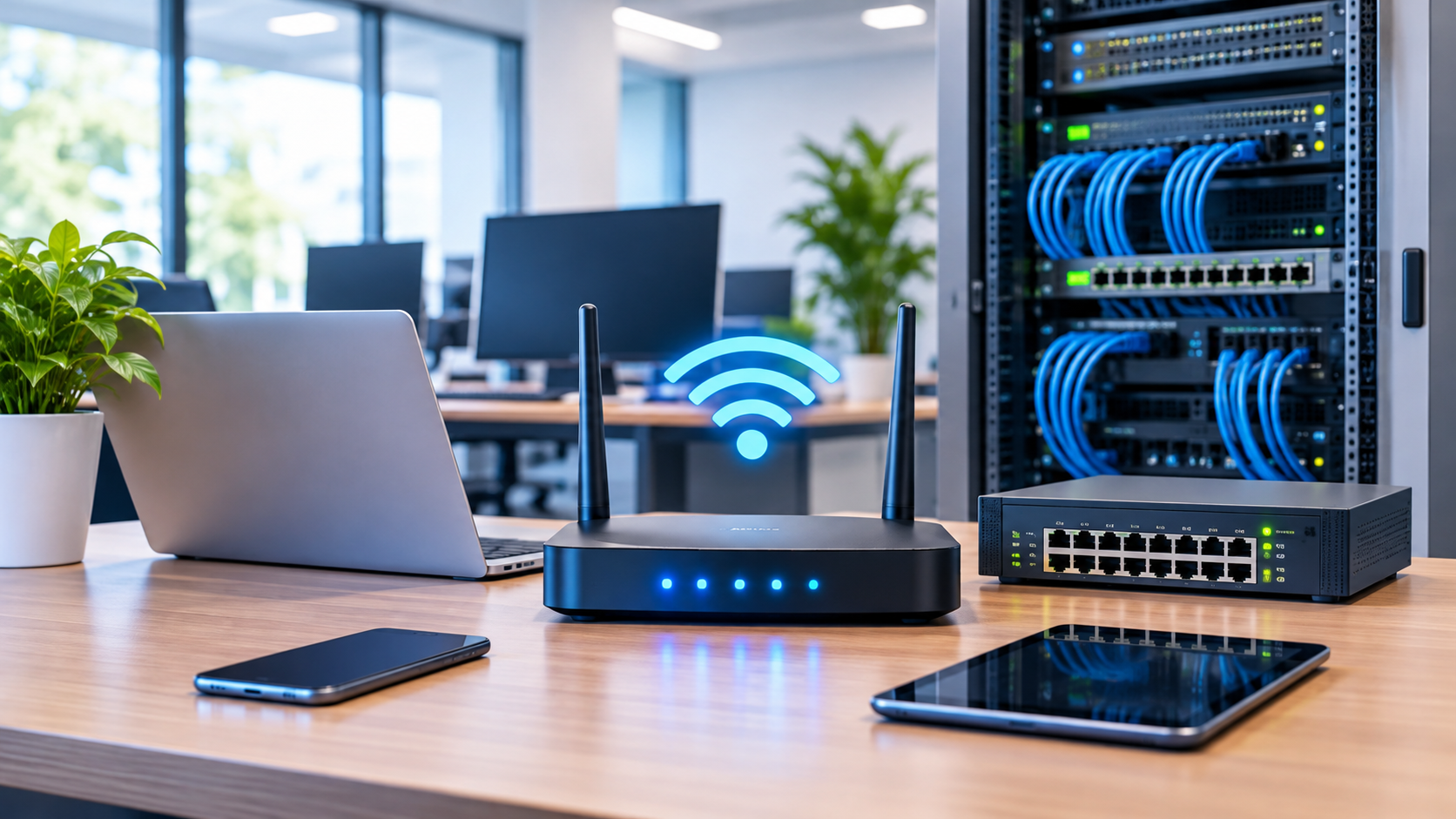
A business network may include wired Ethernet connections, wireless access points, routers, switches, firewalls, and cloud-based networking services. Each component has a specific purpose in maintaining reliable connectivity.
Unlike basic home networking equipment, commercial networking infrastructure is designed to support multiple users, higher data demands, advanced security requirements, and continuous business operations.
Common Networking Problems That Affect Business Operations
Many organizations experience network issues that gradually affect productivity. Identifying these problems is the first step toward building a more dependable system.
1. Slow Internet and Network Performance
Slow connections can make cloud applications, video conferences, file transfers, and online platforms difficult to use. These problems may result from insufficient bandwidth, outdated networking equipment, poor wireless coverage, or excessive network traffic.
A properly designed network helps distribute available resources efficiently and reduces unnecessary performance limitations.
2. Unreliable Wireless Connectivity
Employees increasingly depend on laptops, smartphones, tablets, and wireless communication devices. Weak Wi-Fi signals, interference, and poorly positioned access points can create inconsistent connections throughout an office.
Commercial wireless networking solutions use strategically placed access points to improve coverage and provide more consistent connectivity.
3. Network Security Risks
Businesses regularly handle confidential information, customer records, financial data, and internal documents. Without appropriate security measures, unauthorized users and cyber threats may gain access to sensitive resources.
Firewalls, network segmentation, secure authentication, encryption, and regular monitoring help reduce these risks.
4. Limited Network Scalability
A network that supports a small team may struggle when additional employees, devices, or business applications are introduced. Planning for future growth helps prevent expensive infrastructure replacements and recurring performance issues.
Essential Components of a Reliable Business Network
A strong networking environment depends on several interconnected technologies. Selecting the appropriate components ensures that the infrastructure can support daily operations.
Business Routers
Routers manage communication between different networks and direct data traffic to the appropriate destinations. Modern business routers may include advanced firewall capabilities, traffic management, VPN support, and multiple connectivity options.
Network Switches
Network switches connect computers, printers, servers, access points, and other wired devices. Managed switches provide additional control over network traffic, VLAN configuration, and performance monitoring.
Wireless Access Points
Wireless access points allow employees and authorized visitors to connect devices without physical Ethernet cables. Proper access point placement helps improve signal coverage and reduce connectivity interruptions.
Network Security Systems
Security technologies protect business networks from unauthorized access and potential cyber threats. These systems may include firewalls, intrusion detection, endpoint protection, and secure remote-access solutions.
Structured Cabling
Structured cabling provides an organized physical foundation for network connectivity. Proper cable installation and labeling make troubleshooting easier while supporting reliable communication between network devices.
How Internet Providers Affect Business Network Performance
Choosing suitable internet providers is an important part of developing reliable business connectivity. Even a well-designed internal network can experience performance problems when its external internet connection cannot meet organizational demands.
Different internet services offer different levels of speed, reliability, availability, and technical support.
Before selecting a provider, businesses should consider:
- Bandwidth requirements: Determine how much upload and download capacity employees need for daily activities.
- Connection reliability: Review service availability, outage history, and uptime commitments.
- Upload speeds: Consider requirements for video conferencing, cloud backups, file sharing, and remote collaboration.
- Business support: Look for technical assistance and service options designed for commercial customers.
- Scalability: Ensure the connection can accommodate additional employees and connected devices.
- Backup connectivity: Consider a secondary internet connection to maintain access during primary service interruptions.
Fiber internet, business cable connections, fixed wireless, and satellite internet may all serve different operational requirements depending on location and availability.
The Importance of Network Security for Modern Organizations
Cybersecurity should be considered during the planning and installation of any business network. A secure infrastructure helps protect valuable information while allowing authorized employees to access the resources they need.
Network segmentation is one useful approach. It separates different categories of devices and users into individual network sections. For example, guest Wi-Fi can operate separately from internal business systems, reducing unnecessary access to sensitive resources.
Other important security practices include:
- Using strong passwords and multi-factor authentication.
- Installing firewall protection.
- Keeping routers, switches, and access points updated.
- Monitoring unusual network activity.
- Providing secure VPN access for remote employees.
- Maintaining regular data backups.
- Reviewing user permissions periodically.
These measures create multiple layers of protection rather than depending on a single security product.
Why Businesses Need Scalable Network Infrastructure
Business requirements change over time. New employees, additional office locations, cloud platforms, security cameras, and connected communication systems can increase network demands.
Scalable infrastructure makes it easier to accommodate these changes without rebuilding the entire network.
For example, a growing company may initially need connectivity for twenty employees but eventually expand to several departments and multiple locations. A properly planned network can support this development through additional switches, wireless access points, bandwidth upgrades, and centralized network management.
Planning for expansion also helps organizations manage technology expenses more effectively.
How to Choose the Right Business Networking Approach
Selecting an appropriate networking solution requires an understanding of current operational needs and future objectives.
Start by evaluating the number of employees, connected devices, office layout, internet usage, security requirements, and business applications. This assessment helps identify infrastructure limitations and areas that need improvement.
Next, review the available internet connection options and determine whether existing equipment can support expected workloads. Businesses should also consider professional network installation, configuration, maintenance, and technical support.
A professional network assessment can identify wireless coverage gaps, outdated hardware, unnecessary network traffic, and potential security weaknesses before they become major operational problems.
Conclusion
Reliable connectivity is a fundamental requirement for modern business operations. Slow connections, wireless interruptions, security weaknesses, and outdated equipment can create unnecessary challenges for employees and customers.
Well-planned business network solutions address these problems by combining reliable hardware, secure configurations, suitable internet connectivity, and scalable infrastructure. By evaluating network requirements, selecting appropriate technologies, and maintaining equipment regularly, organizations can create a dependable environment that supports productivity and long-term growth.
Investing in the right networking infrastructure helps businesses stay connected, protect important information, and adapt to changing technology requirements.
Frequently Asked Questions
What is the purpose of a business network?
A business network connects computers, servers, communication devices, and other equipment so employees can share information, access applications, communicate, and perform daily tasks efficiently.
What equipment is needed for a business network?
Most business networks require routers, network switches, wireless access points, Ethernet cabling, and security systems. Additional equipment depends on the organization’s size and technical requirements.
How can a business improve its network speed?
Businesses can improve network performance by upgrading outdated equipment, reviewing bandwidth requirements, optimizing wireless access point placement, managing network traffic, and selecting an appropriate internet connection.
Are business network solutions suitable for small businesses?
Yes. Small businesses can benefit from properly configured networking infrastructure that supports secure internet access, wireless connectivity, file sharing, communication, and future expansion.
How often should a business network be maintained?
Network infrastructure should be monitored regularly, with security updates, equipment inspections, configuration reviews, and performance assessments performed according to business requirements.