





Smart home technology is changing how homeowners control lighting, ventilation, security, and indoor comfort. Automated windows are becoming a practical addition to modern homes because they allow people to manage fresh air without manually opening or closing every window. By connecting window motors to compatible smart devices, homeowners can create a more convenient and energy-conscious living environment. Understanding how these systems work can help you decide whether automated window controls are suitable for your property.
How Do Motorised Awning Windows Work With Smart Home Technology?
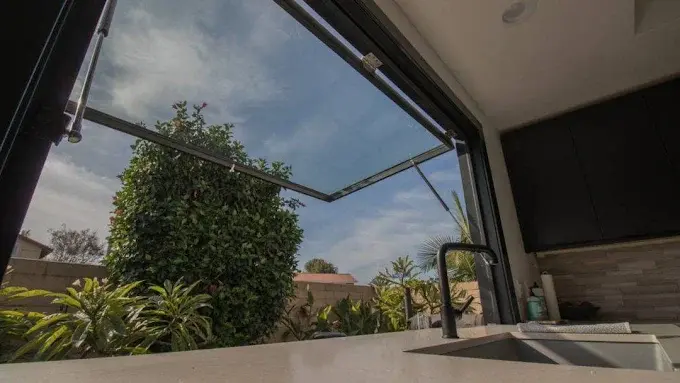
Motorised Awning Windows use an electric motor to open and close the window sash, allowing fresh air to enter while helping maintain indoor comfort. Depending on the product, the motor can be operated through a wall switch, remote control, smartphone application, or compatible home automation system. Smart integration adds another level of convenience by allowing users to manage window operation alongside other connected devices.
For example, a homeowner might program a window to open at a specific time in the morning to improve ventilation. Some systems can also respond to temperature sensors, rain detectors, or commands from a central smart home hub. However, available functions depend on the motor, controller, communication protocol, and software supported by the manufacturer.
Which Smart Home Systems Can Control Automated Windows?
Automated windows can work with different smart home platforms, provided the window controller and other components are compatible. Some products connect directly to a smart home network, while others require a separate gateway or interface to communicate with connected devices. Checking compatibility before purchasing is essential because not every motorised window supports every platform.
Common integration options include:
-
Smartphone applications: Open, close, or check the status of compatible windows using a mobile device.
-
Voice assistants: Operate supported window systems through voice commands when the required integration is available.
-
Smart home hubs: Connect window controls with lighting, thermostats, sensors, and other automation devices.
-
Wireless protocols: Depending on the product, connectivity may use Wi-Fi, Bluetooth, Zigbee, Z-Wave, or another supported communication technology.
-
Wired automation systems: Some installations can connect to centralised home automation systems through compatible control interfaces.
Before choosing a system, review the manufacturer’s compatibility information. A wireless motor does not automatically support every smart home platform, and additional hardware may be necessary.
What Smart Features Can Automated Windows Offer?
Smart integration makes window operation more flexible by allowing homeowners to create routines based on their daily activities. Instead of operating each window individually, users can group compatible windows and control them together. These features are particularly useful in larger homes, modern kitchens, bedrooms, and spaces where natural ventilation is important.
Scheduled Opening and Closing
Scheduling allows windows to open or close at predetermined times. For example, you could arrange for a compatible window to open in the morning and close before bedtime. This can make everyday ventilation more convenient, although schedules should account for changing weather conditions and whether the property is occupied.
Temperature-Based Automation
Temperature sensors can help trigger window operation when indoor conditions reach a selected threshold. If the room becomes warmer than expected, the system may open a window to encourage natural ventilation when outdoor conditions are suitable. This feature requires compatible sensors and automation rules, and it should not be treated as a guaranteed replacement for air conditioning or mechanical ventilation.
Rain and Weather Protection
Rain sensors can detect moisture and send a signal to close compatible windows. This can be particularly useful when homeowners are away or forget to close windows before leaving. Some systems also support weather-station data or wind sensors, but the exact response depends on the installation. Always confirm that the chosen system is designed to handle the relevant weather conditions.
What Are the Main Benefits of Smart Window Integration?
Connecting automated windows to a smart home system can improve convenience and help homeowners manage indoor environments more effectively. These benefits depend on window placement, local climate, building design, and the quality of the control system.
Important advantages include:
-
Greater convenience: Operate windows without reaching for a manual handle or visiting each room.
-
Improved ventilation: Create routines that encourage fresh air circulation when outdoor conditions are appropriate.
-
Better indoor comfort: Use compatible sensors to respond to changing temperatures and ventilation needs.
-
Weather awareness: Combine rain detection with automatic closing to reduce the risk of water entering through open windows.
-
Centralised control: Manage multiple compatible windows from one application or automation interface.
-
Potential energy savings: Make better use of natural ventilation when conditions allow, which may reduce reliance on cooling equipment in some situations.
Smart automation does not guarantee lower energy bills. Results depend on outdoor temperatures, humidity, insulation, air conditioning settings, and how the system is programmed.
What Should You Consider Before Installation?
Successful integration starts with selecting the right motor and control equipment. Existing windows may require suitable motor brackets, electrical connections, or modifications before automation can be installed. New construction projects may offer more flexibility because wiring, power supplies, and control components can be planned from the beginning.
Consider these factors before making a decision:
-
Motor compatibility: Confirm that the window motor supports the intended smart home controller or gateway.
-
Power requirements: Determine whether the motor uses mains electricity, a low-voltage supply, or batteries.
-
Network coverage: Check that the wireless signal reaches the window location reliably.
-
Manual operation: Ask whether the window can still be operated safely during a power or network failure.
-
Professional installation: Use a qualified installer when electrical work, structural changes, or complex automation connections are required.
-
Future expansion: Choose a system that can accommodate additional sensors or smart devices if your needs change.
It is also worth checking the manufacturer’s warranty and maintenance recommendations before installation. Using incompatible controllers or modifying electrical components without authorisation may affect system performance or warranty coverage.
Are Smart Automated Windows Safe and Secure?
Safety should be a priority when connecting windows to a smart home network. Automated windows contain moving components that may create a trapping risk, especially around children, pets, and frequently used spaces. Depending on the product, safety features may include obstruction detection, force limitation, or protective operating controls. Confirm which safeguards are included rather than assuming every motor offers the same protection.
Digital security also matters because connected devices may communicate through home networks or cloud services. Use strong passwords, enable available security updates, and secure your home Wi-Fi network. If remote access is supported, review account permissions and privacy settings. For windows installed in upper floors or accessible areas, consider how automation affects fall protection, emergency access, and security when the property is unattended.
Can Smart Window Systems Be Added to Existing Homes?
Yes, smart controls can often be added to existing properties, but the installation method depends on the window design and the equipment already fitted. Some manufacturers offer retrofit motors and compatible controllers, while other windows may require replacement hardware or a more extensive upgrade. A professional assessment can establish whether the existing frame, hinges, opening mechanism, and available power supply are suitable.
For a simpler installation, homeowners may prefer a standalone remote-controlled motor with basic automation features. Those seeking more advanced control can explore integration with their existing smart home platform. Comparing installation costs, compatibility, available safety features, and future maintenance requirements will help identify the most practical option.
Conclusion
Smart home integration can make automated awning windows easier to control while supporting ventilation, indoor comfort, and weather-responsive operation. The most suitable system depends on the window motor, compatible controllers, available sensors, and the homeowner’s preferred automation platform. Before investing, verify compatibility, plan for reliable power and connectivity, and prioritise safety and security. With careful selection and professional installation where needed, smart window controls can become a useful part of a modern, connected home.