


Introduction
Chocolate is more than just a sweet treat; it is a symbol of love, celebration, appreciation, and luxury. Whether chocolates are purchased as gifts, wedding favors, corporate presents, or retail products, their presentation plays a significant role in shaping customers’ impressions. However, attractive packaging alone is not enough to protect delicate chocolates from damage during storage, handling, and transportation. This is where chocolate box padding becomes essential.
Chocolate box padding provides cushioning, keeps chocolates securely positioned, and helps preserve their original shape and appearance. It also enhances the overall presentation of the packaging, making even a simple chocolate box look sophisticated and professional. From small handmade chocolate businesses to large confectionery brands, choosing the right padding can improve product safety and customer satisfaction.
What Is Chocolate Box Padding?
Chocolate box padding refers to the protective materials placed inside chocolate packaging to cushion, separate, and support individual chocolates. These materials help prevent chocolates from moving around inside the box, reducing the risk of broken edges, cracked coatings, and damaged decorations.
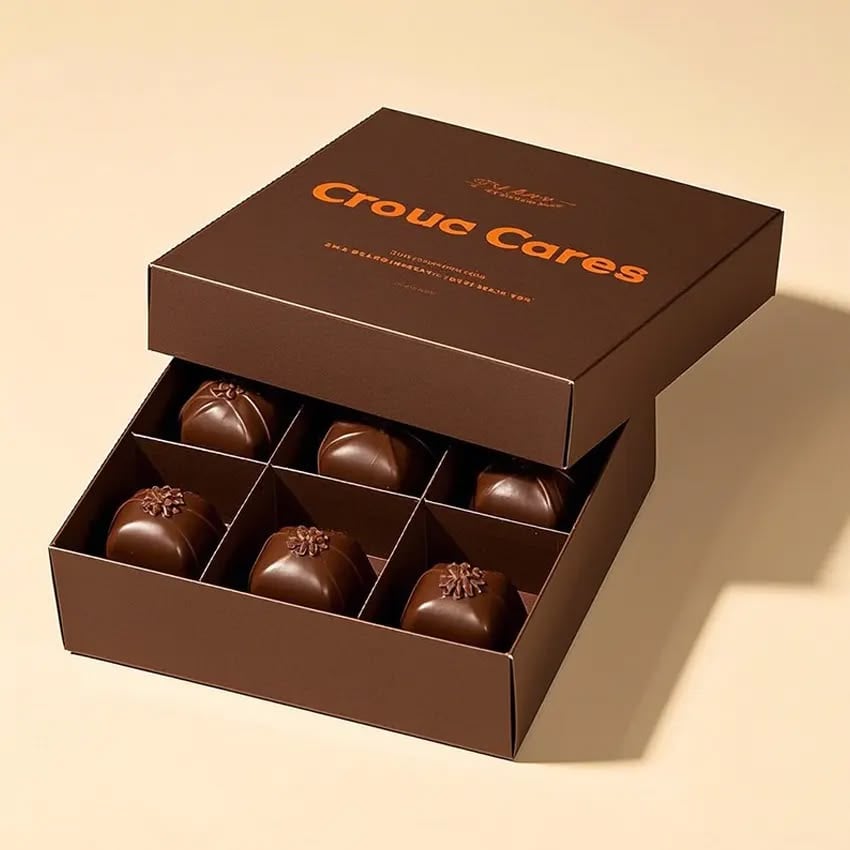
Padding can be designed for different chocolate shapes, sizes, and packaging styles. For example, a luxury chocolate box may feature custom-cut inserts that hold each truffle in a separate compartment, while a simple gift box may use paper-based cushioning to protect assorted chocolates. The primary purpose of chocolate box padding is to combine protection with presentation. The right material keeps chocolates organized while complementing the design and quality of the packaging.
Why Is Chocolate Box Padding Important?
1. Protects Chocolates from Physical Damage
Chocolates can be surprisingly delicate, especially those with thin shells, decorative toppings, or soft fillings. Movement during delivery can cause chocolates to collide with one another or strike the sides of the box.
Quality padding absorbs minor impacts and keeps products in place. This is particularly important for online chocolate orders, gift deliveries, and bulk shipments that may pass through several handling stages.
2. Maintains an Attractive Presentation
Customers often judge a chocolate gift by its appearance before tasting the product. Broken pieces, smudged decorations, or chocolates scattered inside a box can create a disappointing experience.
Well-designed padding keeps every piece neatly arranged. It creates a clean, organized appearance that makes chocolate packaging feel more thoughtful and premium.
3. Improves Customer Satisfaction
Packaging influences the customer’s overall experience, particularly when chocolates are purchased for special occasions. Securely packed chocolates are more likely to arrive in excellent condition, helping businesses build trust and encourage repeat purchases.
For chocolate brands, investing in suitable padding can also reduce complaints, replacements, and losses caused by damaged products.
4. Supports Safe Transportation
Transportation conditions can vary depending on the delivery distance, shipping method, and handling process. Padding helps protect chocolates against vibration and minor shocks, although it cannot completely prevent damage caused by excessive heat, crushing, or rough handling.
For longer shipments, businesses should combine suitable padding with sturdy outer boxes and appropriate temperature-control measures.
Common Types of Chocolate Box Padding
Different padding materials offer different benefits. The best choice depends on the chocolate product, packaging design, budget, and environmental goals.
Paper-Based Padding
Paper padding is a popular option for businesses looking for a simple and versatile packaging solution. Kraft paper, molded paper inserts, and folded paper compartments can help hold chocolates securely.
Paper-based materials are often suitable for gift boxes and artisanal chocolate packaging. They can also complement minimalist and natural packaging designs. However, businesses should select food-contact-safe materials and avoid paper that may transfer ink, odors, or unwanted substances to the chocolates.
Foam Inserts
Foam inserts provide cushioning and can be cut or molded into specific shapes. They are useful when chocolates require additional support or need to remain securely positioned during transportation.
Custom foam inserts can create a precise fit for individual products. However, food-contact suitability, appearance, disposal requirements, and environmental considerations should be evaluated before selecting this option.
Cardboard Inserts
Cardboard inserts are widely used in chocolate packaging because they can create individual compartments without adding excessive complexity. They help prevent chocolates from touching and make it easier to arrange assorted varieties.
These inserts are especially useful for rectangular gift boxes, chocolate collections, and branded packaging. They can also be customized to match the dimensions and layout of a particular box.
Molded Pulp Padding
Molded pulp is generally made from formed paper fibers and can be shaped to hold individual items. It offers a structured alternative to loose cushioning materials and can be useful for businesses interested in fiber-based packaging.
Its suitability depends on the design, moisture resistance, cleanliness, and required level of protection. A properly designed molded insert can support both product organization and a natural packaging aesthetic.
Fabric and Decorative Padding
Fabric linings, tissue paper, and decorative paper shreds can add elegance to chocolate gift boxes. Satin or other suitable fabric may be used as a decorative lining, while tissue paper can improve the unboxing experience.
However, decorative materials should not replace structural protection when chocolates are likely to move or collide. Any material that directly contacts food must be appropriate for that use.
How to Choose the Right Chocolate Box Padding
Selecting the right padding requires more than choosing an attractive material. Businesses should consider several practical factors before making a decision.
Chocolate shape and size: Truffles, pralines, chocolate bars, and handmade chocolates have different packaging requirements. Custom compartments may be ideal for delicate or irregularly shaped products.
Level of protection: Products shipped over long distances may need more secure inserts and stronger outer packaging than chocolates sold directly from a retail counter.
Packaging design: Padding should fit the box dimensions without leaving excessive empty space. A well-fitted insert improves stability and gives the packaging a professional appearance.
Budget: The cost of padding depends on its material, thickness, customization, and production volume. Businesses should balance packaging costs against the potential expense of damaged products.
Environmental impact: Recyclable or fiber-based options may help reduce packaging waste, depending on their construction and local recycling facilities. Businesses should consider the entire packaging system rather than relying on material labels alone.
The Role of Chocolate Box Padding in Luxury Packaging
Luxury chocolate packaging focuses on detail, presentation, and product protection. Every component, from the outer box to the internal insert, contributes to the perceived value of the product.
Custom padding allows brands to create individual spaces for chocolates, highlight their colors, and maintain a consistent arrangement. Premium inserts can also support distinctive packaging shapes and carefully designed unboxing experiences.
For example, a gift box containing twelve assorted chocolates may use a custom insert with twelve individual compartments. Each chocolate remains in its intended position, making the collection appear organized and visually appealing when the lid is opened.
For luxury brands, the most effective padding combines a secure fit with materials and finishes that complement the brand’s identity.
Sustainable Solutions for Chocolate Box Padding
Sustainability has become an important consideration in packaging decisions. Many businesses are exploring alternatives that reduce unnecessary plastic and make packaging easier to recycle.
Paperboard dividers, molded fiber inserts, and appropriately sourced paper cushioning can be practical options. Nevertheless, sustainability depends on more than the main material. Coatings, adhesives, laminations, food contamination, and local recycling infrastructure can all affect disposal.
Businesses should also avoid using excessive padding when a simpler design provides sufficient protection. Right-sized inserts can reduce material consumption while maintaining product safety.
Testing alternative materials before large-scale production helps ensure that environmental improvements do not compromise chocolate quality or delivery performance.
Best Practices for Using Chocolate Box Padding
To achieve the best results, businesses should follow a few essential packaging practices.
First, measure chocolates accurately before designing custom inserts. Even small differences in dimensions can affect how securely products fit.
Second, test the complete package by simulating normal handling and transportation conditions. Check whether chocolates shift, collide, or become damaged during movement.
Third, choose clean, suitable materials that do not transfer unwanted odors or substances to the product. Food-contact requirements should always be considered.
Fourth, combine internal padding with a strong outer box. Internal inserts cannot compensate for packaging that collapses easily under pressure.
Finally, review customer feedback and shipping damage reports regularly. These insights can help businesses improve their packaging design over time.
Conclusion
Chocolate box padding is an essential part of effective chocolate packaging. It protects delicate products, maintains an attractive presentation, supports safe transportation, and improves the customer experience. From cardboard dividers and paper cushioning to custom foam and molded pulp inserts, businesses have several options to suit different products and budgets. Choosing the right padding requires careful consideration of chocolate size, packaging design, shipping conditions, food-contact suitability, and sustainability goals. By combining suitable cushioning with a durable outer box, chocolate businesses can deliver products that look as delightful as they taste. Ultimately, well-designed chocolate box padding is more than an internal packaging component. It is an investment in product quality, brand reputation, and customer satisfaction.