



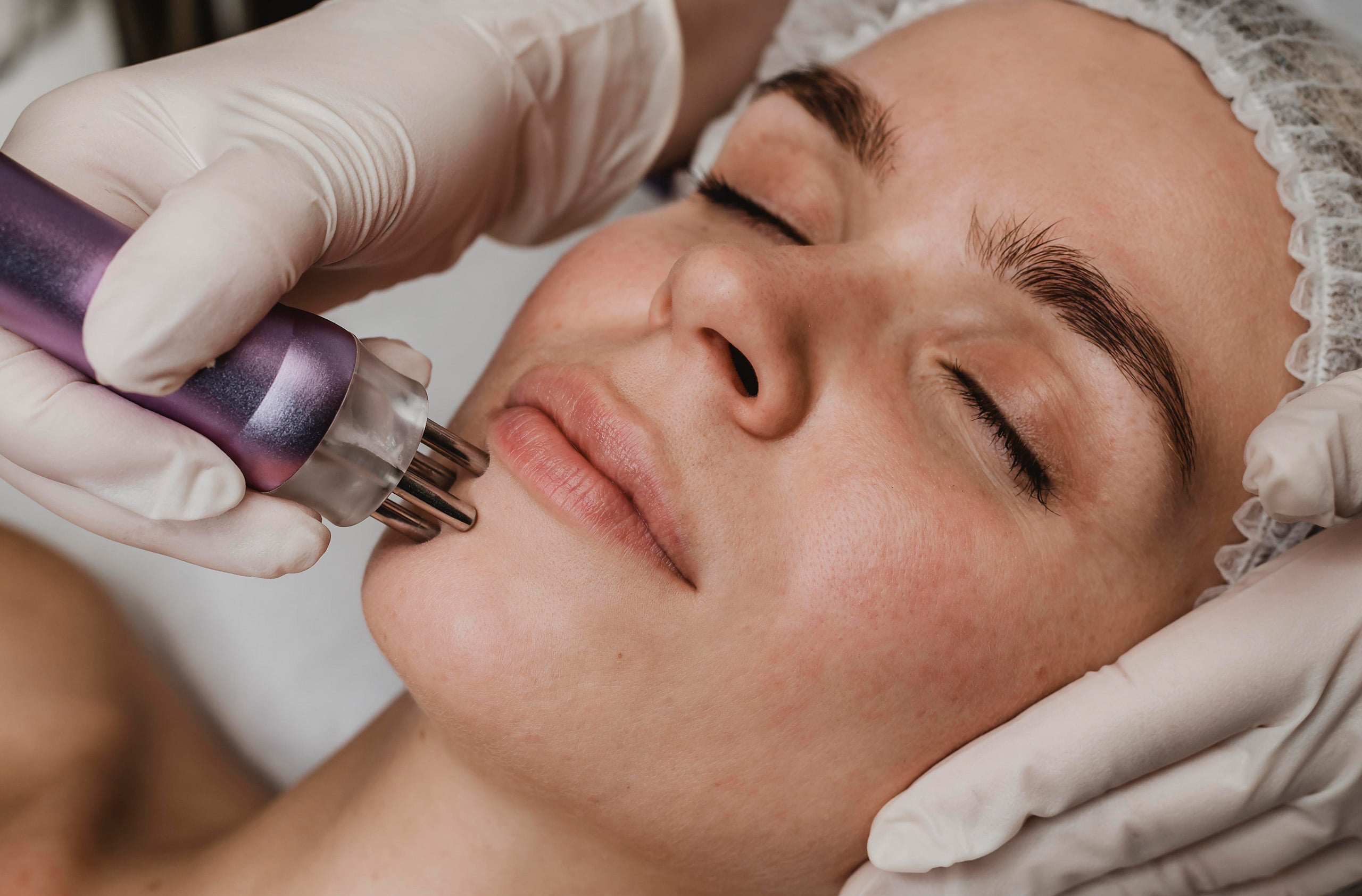
Visible signs of aging such as fine lines, uneven pigmentation, and loss of firmness naturally develop over time as cellular turnover slows down. When exploring non-surgical options to restore a vibrant, refreshed appearance, Laser Skin Resurfacing Abu Dhabi stands out as a scientifically backed approach to skin rejuvenation. By harnessing focused beams of light energy, this advanced method targets damaged surface layers while awakening the deeper dermal structures responsible for youthful elasticity. Examining how light-based renewal interacts with aging skin reveals why it has become a premier solution for achieving a naturally revitalized complexion.
-
Natural aging slows down cellular turnover, leading to fine lines, dullness, and uneven tone.
-
Focused light energy targets damaged outer skin layers while stimulating deeper structural support.
-
Modern resurfacing encourages natural regeneration to restore a fresher, more youthful appearance.
The Biology of Skin Aging and How Lasers Reverse It
Youthful skin is characterized by a thick, well-organized dermal matrix rich in structural proteins, alongside a smooth, radiant epidermis that reflects light evenly. Over the years, both biological aging and cumulative environmental exposure disrupt this harmony, causing the skin to appear tired, creased, and lax.
-
Young skin relies on abundant structural proteins and a smooth outer layer to look radiant.
-
Biological aging and environmental factors gradually break down this underlying support system.
Collagen and Elastin Depletion Over Time
Collagen provides structural density and firmness, while elastin gives the skin its ability to snap back into place after facial movements. Beginning in early adulthood, the body produces progressively less collagen each year, and existing fibers become fragmented and disorganized. This internal decline leads to hollowing, sagging contours, and deeper static wrinkles. Laser resurfacing intervenes directly in this process by delivering controlled thermal energy into the dermis, prompting fibroblasts to synthesize fresh, tightly organized collagen and elastin networks that restore youthful volume and resilience.
-
Natural collagen production declines steadily with age, weakening the foundational structure of the skin.
-
Fragmented elastin fibers reduce skin resilience, contributing to sagging and static wrinkles.
-
Controlled thermal energy stimulates fibroblasts to rebuild dense, youthful collagen networks.
Reversing Cumulative Photoaging
Ultraviolet radiation from daily sun exposure accelerates skin aging far faster than chronological time alone—a phenomenon known as photoaging. UV rays trigger oxidative stress that damages epidermal cells, creates stubborn age spots, and degrades dermal proteins. Laser energy selectively targets excess melanin clusters and damaged surface cells, clearing away years of sun-induced discoloration and leathery texture to reveal brighter, more uniform skin beneath.
-
Daily UV exposure accelerates visible aging by creating dark spots and breaking down skin proteins.
-
Light energy breaks apart excess pigment clusters and clears away sun-damaged surface cells.
-
Clearing photoaging damage restores an even, luminous complexion associated with younger skin.
Key Ways Laser Skin Resurfacing Restores a Youthful Appearance
Rather than altering facial features or creating an artificial look, laser skin resurfacing enhances the intrinsic quality of the skin itself. By addressing multiple hallmarks of aging simultaneously, the treatment produces a comprehensive, natural-looking rejuvenation.
-
Laser resurfacing improves overall skin quality without changing natural facial expressions or contours.
-
Targeting several signs of aging at once creates a balanced and authentic youthful glow.
Smoothing Fine Lines and Deep Wrinkles
Dynamic expression lines around the eyes, forehead, and mouth eventually etch themselves into the skin as permanent creases when underlying collagen thins. Laser resurfacing softens these lines through two complementary mechanisms: gentle vaporization or exfoliation of the creased outer epidermis, paired with deep dermal heating that plumps the skin from underneath. As the newly formed collagen matrix thickens, fine lines disappear and deeper furrows become noticeably shallower.
-
Thinning dermal support causes temporary expression lines to settle into permanent facial creases.
-
Resurfacing smooths outer creases while plumping the deeper skin layers with new collagen.
-
Thickening the dermal foundation softens deep furrows around the eyes, mouth, and forehead.
Tightening Mild Skin Laxity
One of the clearest indicators of aging is subtle looseness along the jawline, cheeks, and neck. When laser energy heats the water molecules within the dermis, existing collagen fibers undergo immediate thermal contraction, producing an initial firming sensation. Over the subsequent months, ongoing neocollagenesis further reinforces tissue density, lifting and tightening mildly lax areas so facial contours appear sharper and more supported.
-
Thermal energy causes existing collagen strands to contract immediately upon heating.
-
Ongoing collagen production gradually firms up mild looseness along the cheeks, jawline, and neck.
-
Reinforced tissue density helps restore sharper, more youthful facial contours.
Clearing Age Spots and Uneven Pigmentation
An even, monochromatic skin tone is subconsciously perceived as a primary marker of youth. Sunspots, freckles, mottled pigmentation, and visible micro-capillaries can make the complexion look older even when wrinkles are minimal. Specific laser wavelengths are absorbed selectively by unwanted pigment and vascular irregularities, fragmenting them so the body can naturally clear them away. The result is a clearer, more balanced canvas that radiates vitality.
-
Uniform skin tone is a key visual indicator of youthfulness, regardless of wrinkle depth.
-
Targeted wavelengths break down sunspots, mottled pigmentation, and tiny broken vessels.
-
Natural clearance of excess pigment leaves the complexion bright, clear, and even-toned.
Restoring Surface Radiance and Bounce
Aging skin often looks dull because dead keratinocytes cling to the stratum corneum instead of shedding efficiently, scattering light rather than reflecting it. Laser resurfacing accelerates cellular turnover, replacing sluggish, dehydrated surface cells with fresh, plump keratinocytes. This cellular renewal restores natural luminosity and enhances moisture retention, giving the skin a dewy, resilient bounce.
-
Slowed cellular shedding causes dead skin buildup that makes older skin look dull and flat.
-
Laser renewal accelerates cell turnover to bring fresh, hydrated cells to the surface.
-
A smooth, revitalized surface reflects light evenly for a natural, youthful glow.
Understanding Different Laser Modalities for Anti-Aging
Because aging manifests differently from person to person, modern laser technology offers varying depths and delivery methods. Each modality is engineered to match specific anti-aging goals and lifestyle preferences.
-
Modern laser platforms offer customizable depths to match individual signs of aging.
-
Different technologies balance intensity of renewal with desired recovery timelines.
Ablative Resurfacing for Pronounced Aging
Ablative lasers—such as carbon dioxide and erbium systems—remove thin, precise layers of aged outer skin while delivering concentrated heat to the underlying dermis. This intensive approach triggers comprehensive tissue regeneration, making it ideal for addressing deeply etched wrinkles, significant sun damage, and pronounced textural laxity. Once the fresh epidermis forms, the skin exhibits dramatic improvements in smoothness, tone, and firmness.
-
Ablative lasers vaporize aged outer skin layers while heating deeper dermal tissues.
-
Carbon dioxide and erbium technologies target deep wrinkles and advanced sun damage effectively.
-
Comprehensive cellular regeneration yields dramatic smoothing and firming once healed.
Non-Ablative Resurfacing for Early Prevention
Non-ablative lasers deliver controlled thermal energy deep into the dermis without disrupting or removing the outer skin surface. By leaving the protective barrier intact, non-ablative sessions stimulate gradual collagen remodeling with virtually no interruption to daily routines. This approach works exceptionally well for individuals noticing early fine lines, mild dullness, or initial loss of elasticity who wish to maintain a youthful look proactively.
-
Non-ablative lasers warm the deeper dermis while keeping the outer skin barrier completely intact.
-
Leaving the surface undisturbed allows for minimal recovery time alongside steady collagen growth.
-
Progressive sessions effectively address early fine lines and prevent deeper signs of aging.
Fractional Delivery for Balanced Rejuvenation
Fractional laser technology divides light energy into thousands of microscopic columns, treating tiny fractions of the skin while leaving surrounding tissue untouched. Available in both ablative and non-ablative formats, fractional delivery uses the healthy bridges of skin to accelerate healing and rapid collagen synthesis. This balanced strategy delivers substantial anti-aging benefits—smoothing lines, refining pores, and firming skin—with streamlined recovery.
-
Fractional beams create microscopic treatment zones surrounded by healthy, untouched skin.
-
Untreated skin bridges speed up natural cellular repair and new collagen formation.
-
This precision method provides noticeable wrinkle reduction and firming with faster healing.
Maintaining Youthful Results Over the Long Term
While laser skin resurfacing turns back the visible clock on existing skin damage, the biological aging process continues naturally over time. Adopting supportive daily habits protects newly formed collagen and extends the youthful radiance achieved through treatment.
-
Consistent daily care preserves newly generated collagen and prolongs rejuvenated results.
-
Protecting fresh skin cells prevents new environmental damage from undoing treatment gains.
Daily Broad-Spectrum Sun Protection
Ultraviolet exposure remains the single greatest threat to newly rejuvenated skin. Freshly regenerated epidermal cells are particularly sensitive to sunlight, and unprotected UV exposure can rapidly break down nascent collagen fibers and trigger new pigmentation. Applying a broad-spectrum sunscreen every morning—paired with sun-protective habits—shields the dermal matrix and keeps the complexion looking bright and youthful for years.
-
Freshly regenerated skin cells are highly vulnerable to ultraviolet radiation.
-
Daily broad-spectrum sunscreen prevents UV rays from degrading new collagen or causing dark spots.
-
Consistent sun protection is essential for preserving youthful clarity and firmness long-term.
Barrier-Supporting Skincare and Hydration
Nourishing the skin with gentle, hydrating ingredients reinforces the freshly renewed epidermal barrier. Humectants like hyaluronic acid, barrier-repairing ceramides, and topical antioxidants help maintain optimal moisture levels and neutralize daily environmental free radicals. Keeping the skin well-hydrated maximizes surface plumpness, ensuring fine lines remain smooth and radiance stays intact.
-
Hydrating ingredients and ceramides strengthen the newly formed protective skin barrier.
-
Antioxidants help defend fresh collagen against daily oxidative stress from pollution.
-
Well-hydrated skin maintains a plump, dewy appearance that minimizes fine lines.
Frequently Asked Questions
How many years younger can laser skin resurfacing make my skin look?
While exact results vary depending on skin condition and laser intensity, improving skin tone, smoothing wrinkles, and firming laxity typically creates a noticeably refreshed appearance that can make the complexion look several years younger. Because the treatment stimulates your body’s own collagen, the rejuvenation looks completely natural rather than overdone.
At what age should someone consider laser skin resurfacing for anti-aging?
There is no single ideal age, as laser modalities can be tailored to different stages of skin aging. Individuals in their late twenties and thirties often use gentle non-ablative sessions to preserve collagen and prevent early fine lines, while those in their forties, fifties, and beyond frequently choose deeper fractional or ablative treatments to reverse established wrinkles and sun damage.
How long do the anti-aging effects of laser skin resurfacing last?
The collagen remodeling triggered by laser resurfacing provides long-lasting structural improvements that can endure for several years. Although natural aging and gravity continue gradually, maintaining consistent daily sun protection and a supportive skincare routine helps preserve smoother texture and firmer skin over an extended period.
Can laser skin resurfacing rejuvenate areas other than the face?
Yes, laser resurfacing is highly versatile and can rejuvenate aging skin on several areas beyond the face. Common treatment zones include the neck, décolletage, and the backs of the hands—all of which frequently show early signs of sun damage, crepiness, and age spots.