


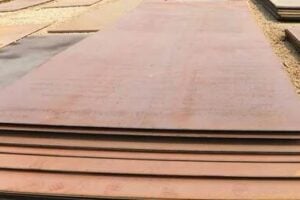


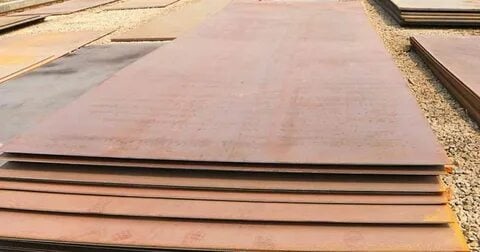
Corten steel plates are weathering steel products engineered to form a protective patina when exposed to suitable atmospheric conditions, rather than steel that simply gets painted or galvanised for protection. This naturally occurring surface layer serves a double duty, both slowing down the pace of further air corrosion and giving the material a unique rust tone that has been strongly identified with modern construction and architecture. That is one of the main reasons why the need for corrosion resistant weathering steel plates has increased in building, infrastructure and outdoor design projects over the past few decades. In this essay, we will go over the key features, common grades, practical benefits, typical applications, and the variables to consider before choosing Corten plates for a project.
What Are Corten Steel Plates?
Corten is a group of weathering steels designed to have better atmospheric corrosion resistance than normal carbon steels. Small additions of copper, chromium, nickel and phosphorus alter the way the steel oxidises, favouring a tight, adhering oxide coating rather than the loose, flaky rust that is typical of untreated steel. This patina is not there immediately after the plate is delivered, it evolves slowly, normally over a period of months as the surface undergoes repeated wet and dry cycles. Corten plates, weathering steel plates and Corten weathering steel plates are all very much the same base material, offered as flat stock in differing thicknesses depending upon the intended structural or architectural usage.
Key Properties of Corten Steel Plates
Atmospheric Corrosion Resistance
This is the defining characteristic of weathering steel. Once the patina stabilises, it acts as a barrier that reduces oxygen and moisture contact with the base metal, which in turn reduces the ongoing rate of atmospheric corrosion compared with unprotected carbon steel exposed to the same conditions.
High Strength
Corten grades are also structural steels, offering mechanical strength comparable to or exceeding standard structural carbon steel grades. That makes them a reasonable option for load-bearing applications, not just decorative cladding, particularly in bridge and infrastructure work where both strength and long-term corrosion performance matter.
Weather Resistance
Beyond corrosion behaviour specifically, Corten performs reasonably well under general outdoor exposure temperature swings, rainfall, humidity. That said, site-specific conditions still need to be evaluated on a case-by-case basis; a coastal, high-chloride environment behaves very differently from an inland industrial site, even though both are technically “outdoor exposure.”
Distinctive Appearance
The reddish-brown patina is the most visible property of the material, and it’s the main reason Corten shows up so often in architectural and landscape design where the intent is a warm, natural-looking finish rather than a painted or polished one.
Good Fabrication Characteristics
Corten can be cut, formed, drilled and welded using largely standard fabrication methods, though welding procedures and filler materials should be matched to the specific grade and the project’s structural requirements rather than assumed to be identical to plain carbon steel practice.
Benefits of Using Corten Steel Plates
Reduced Need for Conventional Painting
Because the patina forms naturally and provides a degree of ongoing protection, Corten can reduce dependence on conventional paint or coating systems in environments suited to weathering steel. This doesn’t mean painting is never required some applications still call for supplementary coatings depending on exposure conditions.
Lower Maintenance Potential
Following on from that, Corten can lower the coating maintenance burden over the life of a structure in outdoor applications where the wet-dry cycling needed for patina stability actually occurs.
Long-Term Atmospheric Performance
The protective patina, once established, tends to support durability over extended service life, provided the exposure conditions remain within what the material is suited for.
Aesthetic Appeal
The weathered finish is now a familiar feature in modern architecture and landscaping, valued for how it changes and matures rather than staying static like a painted surface.
Structural Efficiency
Combining reasonable mechanical strength with corrosion resistance in a single material can simplify design in structural applications where both properties are needed, potentially reducing the layers of protection that would otherwise be required.
Sustainable Design Potential
Lower coating requirements can, in principle, reduce the material and environmental impacts tied to repeated maintenance cycles over a structure’s service life. This is a potential benefit rather than a guaranteed outcome, and it depends heavily on the specific application and exposure environment.
Applications of Corten Steel Plates
- Bridges and infrastructure, where structural strength and reduced coating maintenance are both relevant
- Architecture, spanning facades, cladding and structural elements
- Sculptures and public art, where the naturally aged finish suits outdoor installations
- Industrial applications, including equipment and structures exposed to the elements
- Transportation infrastructure, such as noise barriers and other exposed structural components
Factors to Consider When Selecting Corten Plates
- Environmental conditions: rainfall, humidity, pollution and proximity to marine or industrial chloride sources all affect patina formation and long-term performance.
- Structural requirements: confirm the plate meets the load, thickness and strength requirements of the application, not just its corrosion resistance.
- Required grade: different Corten grades suit different combinations of strength and corrosion performance; the correct one depends on the project specification.
- Fabrication requirements: cutting, forming and welding procedures should be planned around the selected grade and thickness.
- Standards and certification: verify the applicable specification and any certification documentation needed for the project, particularly on infrastructure work.
Conclusion
Corten steel plates bring together atmospheric corrosion resistance, structural strength, durability and a distinctive aesthetic in a single material, with the protective patina sitting at the centre of all four. That said, environmental suitability is not something to assume conditions involving prolonged water retention, marine exposure or high chloride levels can prevent the patina from stabilising properly and lead to continued corrosion rather than protection. For that reason, buyers are generally better served by confirming the correct grade, thickness, specification and certification against their project’s actual exposure conditions before ordering, a step suppliers such as C Steel India typically work through with customers during the selection process for Corten steel plates.