



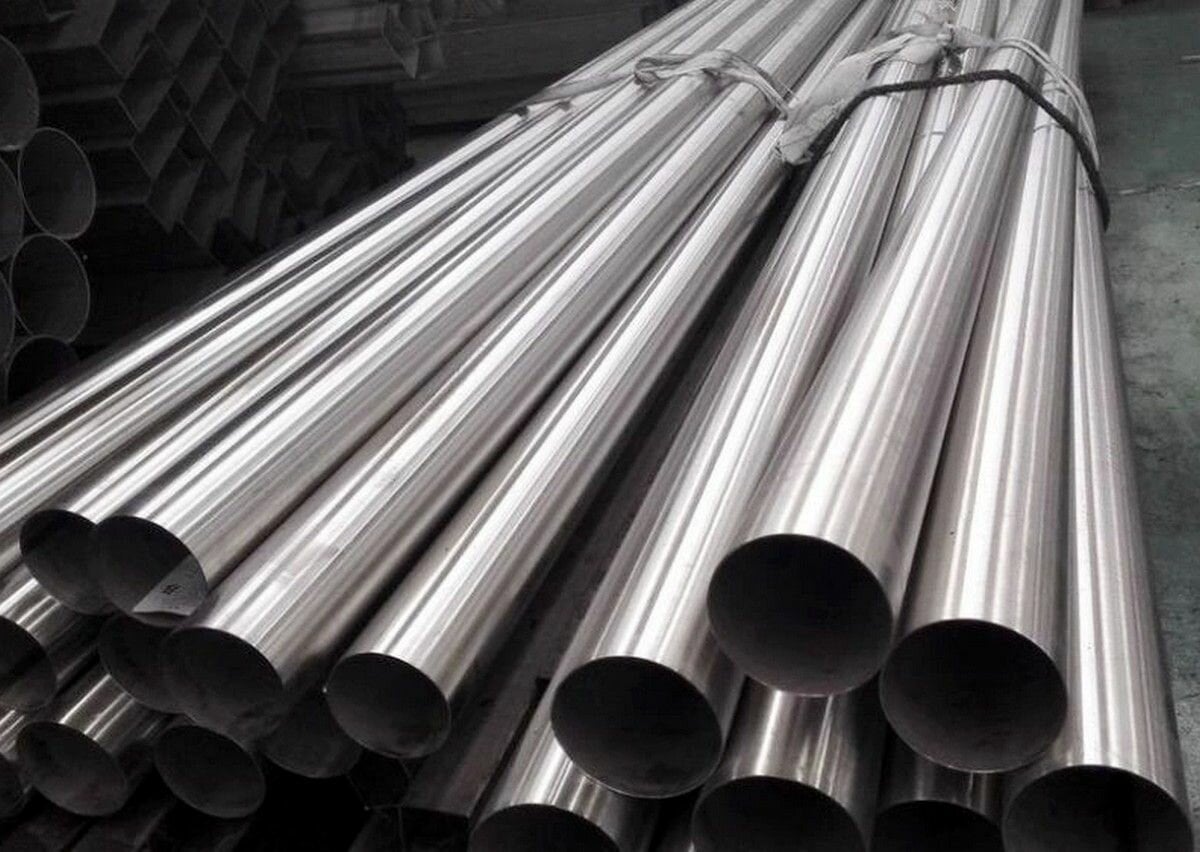
Chemical processing facilities manage aggressive fluids continuously. Pipelines in these plants handle acids, alkalis, chlorides, solvents, high temperatures, and pressurized fluids daily.Pipeline failures create safety hazards for workers and force costly production shutdowns. In demanding process environments, engineers frequently specify stainless steel seamless pipes to maintain reliability and pressure integrity. The seamless construction and the natural corrosion resistance of the metal support safe and efficient fluid transportation across long distances. Plant operators rely on chemical-resistant stainless steel piping to contain hazardous materials and prevent environmental leaks. This article explain the key material properties, reasons for their use, common applications, and selection factors.
What Are Stainless Steel Seamless Pipes?
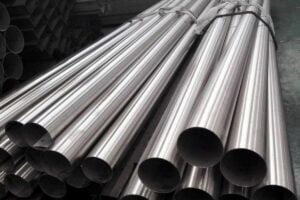
Seamless pipes are tubular sections manufactured without any longitudinal welded seam. Factories produce them by piercing a solid steel billet to form a continuous hollow tube. This seamless construction can be advantageous for specific pressure and process applications. A solid tube wall responds to internal stress differently than a welded tube. Plant managers select SS Seamless Pipes because the uniform wall handles physical loads predictably without weld degradation. Industrial stainless steel pipes are also heavily specified for connecting heavy tanks. The appropriate grade depends entirely on the chemical environment and operating conditions.
Key Properties of SS Seamless Pipes
Excellent Corrosion Resistance
These pipes resist corrosive chemicals and process fluids. The chromium in the alloy forms a passive oxide layer. This corrosion resistance helps reduce material degradation over the operating life of the piping system.
High Pressure Capability
Chemical reactions require pressurised environments. Seamless construction can be suitable for demanding pressure applications because the pipe wall has no weld seam. The weld seam is sometimes a point of structural vulnerability. Actual pressure capability depends on the specific grade, dimensions, wall thickness, manufacturing specification, and design code.
Temperature Resistance
These pipes show suitability for elevated and low-temperature process conditions depending on the selected stainless steel grade. Standard austenitic grades maintain mechanical stability at high heat and resist becoming brittle at freezing temperatures.
Smooth Internal Surface
The manufacturing process creates a continuous internal surface. This provides benefits for fluid flow and pipeline cleaning. A smooth surface leaves reduced areas for material accumulation.
Good Mechanical Strength
Industrial piping systems must survive vibration and weight loads. These pipes offer good mechanical strength, toughness, and durability for industrial piping systems. They support heavy valves without sagging.
Fabrication and Joining
Installers can work with these materials using standard equipment. Seamless pipes can be cut, bent, and welded using suitable procedures. Installers must use proper welding practices for corrosion-sensitive systems. Incorrect heat input destroys the joint metal.
Why Stainless Steel Seamless Pipes Are Used in Chemical Processing
Resistance to Aggressive Chemicals
Pipelines face constant corrosive attack. These pipes handle many acids, alkalis, salts, solvents, and process chemicals when the correct grade is selected.
Reliable Performance Under Pressure
Many processes force fluids through lines using heavy pumps. We see their use in pressurized chemical transfer and process lines daily. The solid wall handles bursting stresses predictably.
Resistance to High Temperatures
Process fluids are heated to trigger chemical reactions. These pipes demonstrate suitability for chemical processes involving elevated temperatures, depending on grade and service conditions.
Reduced Risk of Seam-Related Issues
Welded pipes have a heat-affected zone along the seam. Seamless pipes feature the absence of a longitudinal welded seam. It can be beneficial in certain demanding applications where chemicals might aggressively attack a weld seam structure.
Long-Term Durability
Replacing pipelines requires shutting down the unit. Corrosion resistance and mechanical strength can support reliable service. This helps reduce premature replacement of the piping infrastructure.
Clean and Smooth Flow Path
Rough internal surfaces trap chemical residues. Smooth internal surfaces are beneficial for chemical transportation, cleaning, and process efficiency.
Low Maintenance Potential
Maintenance inside a chemical plant requires extensive safety permits. Good corrosion resistance can reduce maintenance relate to corrosion in suitable service environments.
Applications of Industrial Stainless Steel Pipes in Chemical Processing
Chemical Transfer Lines
Plants use these pipes to move bulk chemicals between storage and processing units. This includes concentrated acid transfer operations and alkali transfer setups. We see them used for volatile solvent lines and process chemical transportation throughout the complex.
Process Equipment Connections
Pipelines must connect to heavy machinery securely. Engineers specify these pipes for linking high-pressure reactors and heat exchangers. They also connect circulation pumps, control valves, and storage tanks. The solid wall handles the mechanical stress at these joints.
Pharmaceutical and Specialty Chemical Processing
Medical plants have strict contamination rules. These pipes are used for controlled process lines and clean fluid transfer. They operate in high-purity applications where the appropriate grade and finish are specified.
Petrochemical Processing
Refineries process crude oil into chemical feedstocks. These facilities use seamless pipes for general process piping and chemical transfer systems. They handle high-temperature fluid-handling tasks required during distillation.
Water and Wastewater Treatment
These pipes are installed for chemical dosing operations and treatment systems. They handle corrosive fluid transportation safely before the waste leaves the facility.
Conclusion
Seamless pipes combine corrosion resistance, strength, pressure capability, durability, and clean internal surfaces for many chemical processing applications. However, the correct stainless steel grade is more important than simply choosing stainless steel. A standard grade will fail quickly in a high-chloride environment. Buyers must evaluate chemical compatibility, temperature, pressure, dimensions, standards, and certification. Ultimately, seamless construction can be particularly useful for selected demanding process and pressure applications where safety margins are critical.