





New flooring can change the entire feel of a home. It can make an older room look cleaner, give an open living area a more connected appearance, or make a kitchen easier to maintain. But choosing flooring isn’t just about finding a color or pattern that looks good. The material needs to work with the room, the household, and the conditions inside the home.
For homeowners considering flooring installation Martinsburg WV, there are several things worth thinking about before making a final decision. Moisture, foot traffic, maintenance, installation requirements, and long-term durability all matter. A little planning now can prevent expensive problems later.
Start by Understanding How Each Room Is Used
One of the biggest mistakes homeowners make is choosing the same flooring throughout the house without considering how each room is used. A material that works perfectly in a bedroom may not be the best choice for a basement or bathroom.
Think about everyday activities first.
- Kitchen: Flooring should handle spills, frequent cleaning, and regular foot traffic.
- Bathroom: Water resistance, slip resistance, and easy maintenance should be priorities.
- Living room: Comfort, appearance, and durability usually carry more weight.
- Bedrooms: Homeowners often prefer warmer, quieter surfaces that feel comfortable underfoot.
- Basement: Moisture conditions and the condition of the concrete floor need careful attention.
This doesn’t mean every room needs a different material. It means the decision should be based on how the space actually functions rather than appearance alone.
Compare Flooring Materials Before Making a Decision
There are several flooring options available, but they don’t all perform the same way. Understanding their strengths and limitations makes it easier to choose something that will still make sense years from now.
Tile Flooring
Tile is a popular option for kitchens, bathrooms, entryways, and other areas where moisture and regular cleaning are concerns. Porcelain and ceramic tiles come in different colors, textures, sizes, and finishes.
Porcelain tile is generally denser and less absorbent than standard ceramic tile, making it a useful choice for areas exposed to moisture. Ceramic tile can also work well in many residential spaces, depending on the product and installation.
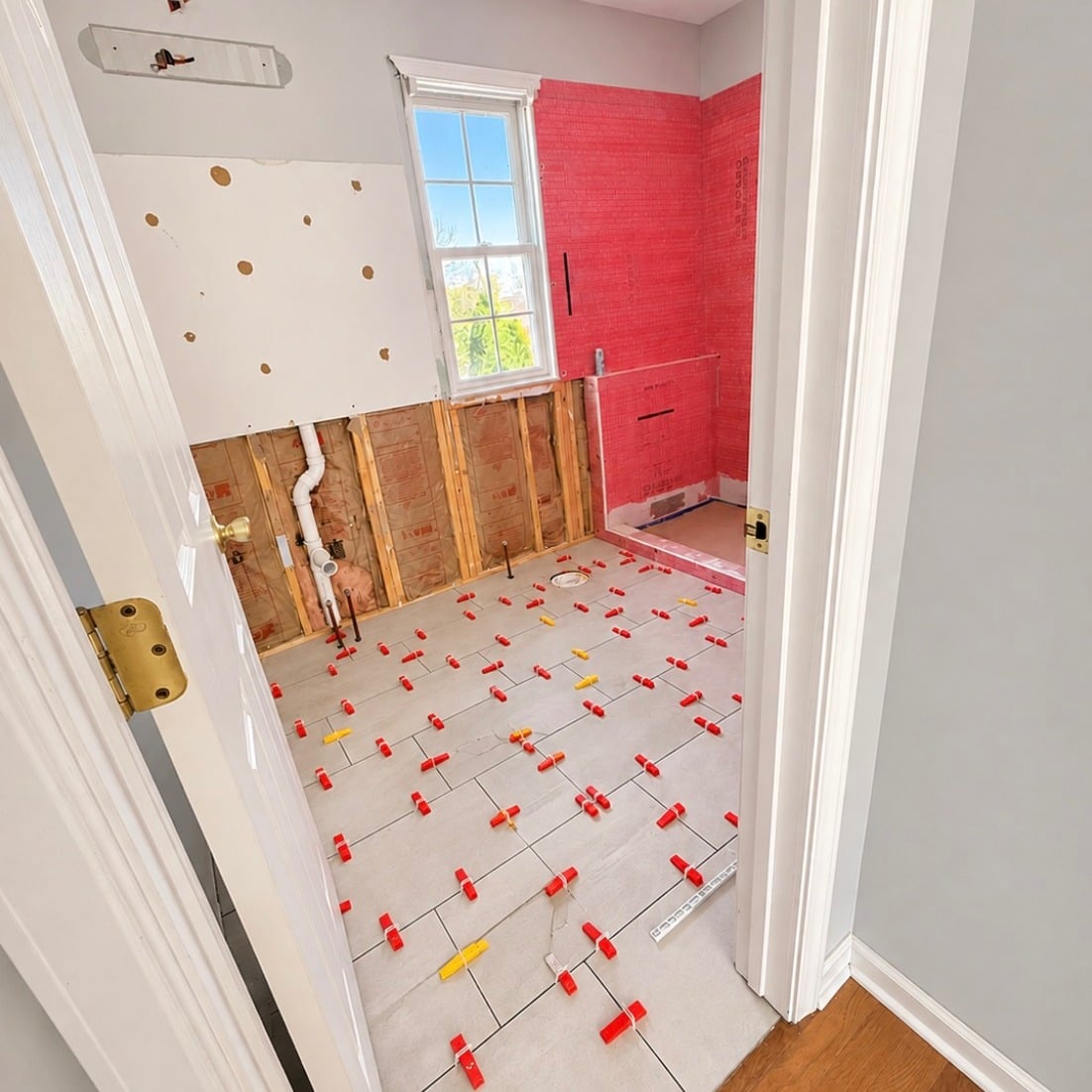
However, tile installation requires proper surface preparation, suitable setting materials, and careful attention to grout lines and layout. A poorly prepared surface can create problems even when the tile itself is high quality.
Luxury Vinyl Plank (LVP)
Luxury vinyl plank has become a common choice for homeowners who want the appearance of wood without choosing traditional hardwood. It is available in different wood-look finishes and can work well in living areas, kitchens, and other spaces.
Many LVP products offer good resistance to everyday spills, but that doesn’t mean every product is waterproof in every situation. Homeowners should check the manufacturer’s specifications, especially when considering basement installation.
Hardwood Flooring
Hardwood offers a natural appearance that many homeowners prefer for living rooms, dining areas, and bedrooms. It can also complement traditional and modern interior designs.
The main consideration is moisture. Solid hardwood can expand or contract as humidity changes, so proper installation and indoor moisture control are important. It may not be the best choice for every room, particularly areas with frequent moisture exposure.
Laminate Flooring
Laminate can provide a wood-like appearance at different price points. Modern products offer a range of textures and finishes, but water resistance varies by product. It is important to check the manufacturer’s recommendations before installing it in kitchens, bathrooms, or basements.
Don’t Overlook Martinsburg’s Seasonal Conditions
Homes in Martinsburg experience seasonal temperature and humidity changes. These conditions can affect certain flooring materials, especially products made from wood or materials that require specific installation conditions.
For example, hardwood flooring needs time to adjust to the indoor environment before installation when required by the manufacturer. Some vinyl and laminate products also have temperature and acclimation requirements.
Basements deserve additional attention. Before installing new flooring over concrete, homeowners should check for signs of moisture, previous water intrusion, and other potential problems.
Covering a moisture issue with new flooring doesn’t solve it. It only makes the problem harder to see until damage appears.
If a basement has a history of water problems, address the underlying issue before selecting the finished flooring. The same principle applies to bathrooms and kitchens. The surface material is only one part of a successful installation.
Consider the Subfloor Before Choosing the Flooring
The finished floor gets most of the attention, but the surface underneath it matters just as much.
A subfloor that is uneven, damaged, or affected by moisture can cause problems with the new installation. Depending on the flooring material, installers may need to repair, level, clean, or prepare the surface before beginning work.
For tile, proper surface preparation is especially important because movement or unevenness can contribute to cracked tiles and grout.
Before installation, ask these questions:
- Is the existing subfloor in good condition?
- Are there soft spots, cracks, or uneven areas?
- Is moisture present underneath the current flooring?
- Does the selected flooring require an underlayment?
- Are additional preparation materials needed?
These details should be discussed before the project begins, not after the old flooring has been removed.
Think About Color, Texture, and Interior Design
Flooring covers a large portion of a room, so its appearance can influence almost every other design decision.
Warm wood tones, natural textures, neutral colors, and stone-look finishes are useful options to consider when updating an interior. However, homeowners shouldn’t choose a flooring trend simply because it is popular.
Look at existing cabinets, wall colors, furniture, countertops, and natural lighting. A floor that looks beautiful in a showroom may appear completely different in a room with limited natural light.
For example, a medium wood-look floor can work nicely with warm cabinets and neutral walls. Large-format tiles may create a cleaner appearance in open areas, while textured finishes can add visual interest without making the space feel busy.
It also helps to look at larger samples rather than making a decision from a small color chip.
Understand the Full Cost of Flooring Installation
The price of new flooring involves more than the material itself. Labor, removal of existing flooring, surface preparation, underlayment, transitions, trim, and waste materials can all affect the final project cost.
Ask for a detailed estimate that explains what is included.
For example, two flooring estimates may look similar at first, but one might include old flooring removal and subfloor preparation while the other doesn’t.
Also consider long-term maintenance. A cheaper product isn’t always the better investment if it requires more frequent repairs or replacement.
Working with an experienced contractor can help homeowners understand these details before committing to a material or installation plan.
Choose the Right Flooring Contractor
The quality of installation matters just as much as the flooring you purchase. Even a premium product can look disappointing if the surface preparation, measurements, cuts, or finishing work are handled poorly.
Before hiring a contractor, ask about:
- Previous flooring projects and relevant experience.
- Familiarity with the material you have selected.
- Subfloor preparation and moisture assessment.
- Installation methods and manufacturer requirements.
- Project timeline and what the estimate includes.
- Cleanup and protection of surrounding areas.
Homeowners in Martinsburg looking for professional installation can also explore local companies such as Integrity Tile & Home, which offers tile and flooring solutions alongside broader home renovation services Martinsburg WV homeowners may need.
Frequently Asked Questions
What is the best flooring for a Martinsburg home?
There isn’t one best option for every home. Tile works well in many moisture-prone spaces, LVP offers a practical wood-look alternative, and hardwood can be suitable for comfortable living areas. The right choice depends on the room and its conditions.
Is tile or LVP better for a basement?
Both can work in appropriate conditions, but moisture needs to be evaluated first. Tile is durable and handles moisture well, while suitable LVP products can provide a comfortable, wood-like appearance. The concrete surface and manufacturer’s installation requirements should guide the decision.
Should old flooring be removed before installing new flooring?
It depends on the existing material, its condition, and the manufacturer’s installation instructions. Some products can be installed over suitable existing surfaces, while others require removal and additional preparation.
How can homeowners make new flooring last longer?
Choose the right material for each room, follow cleaning recommendations, address moisture problems promptly, and make sure the flooring is installed over a properly prepared surface.
Final Thoughts
Choosing new flooring is a decision that affects how a home looks, feels, and functions every day. Homeowners should look beyond color and price and consider room usage, moisture, subfloor condition, maintenance, and installation quality.
For Martinsburg homeowners planning an update, taking time to compare materials and understand the installation process can make a real difference. The goal isn’t simply to install a new floor. It’s to choose something that fits the home, handles everyday use, and continues to look good for years.