





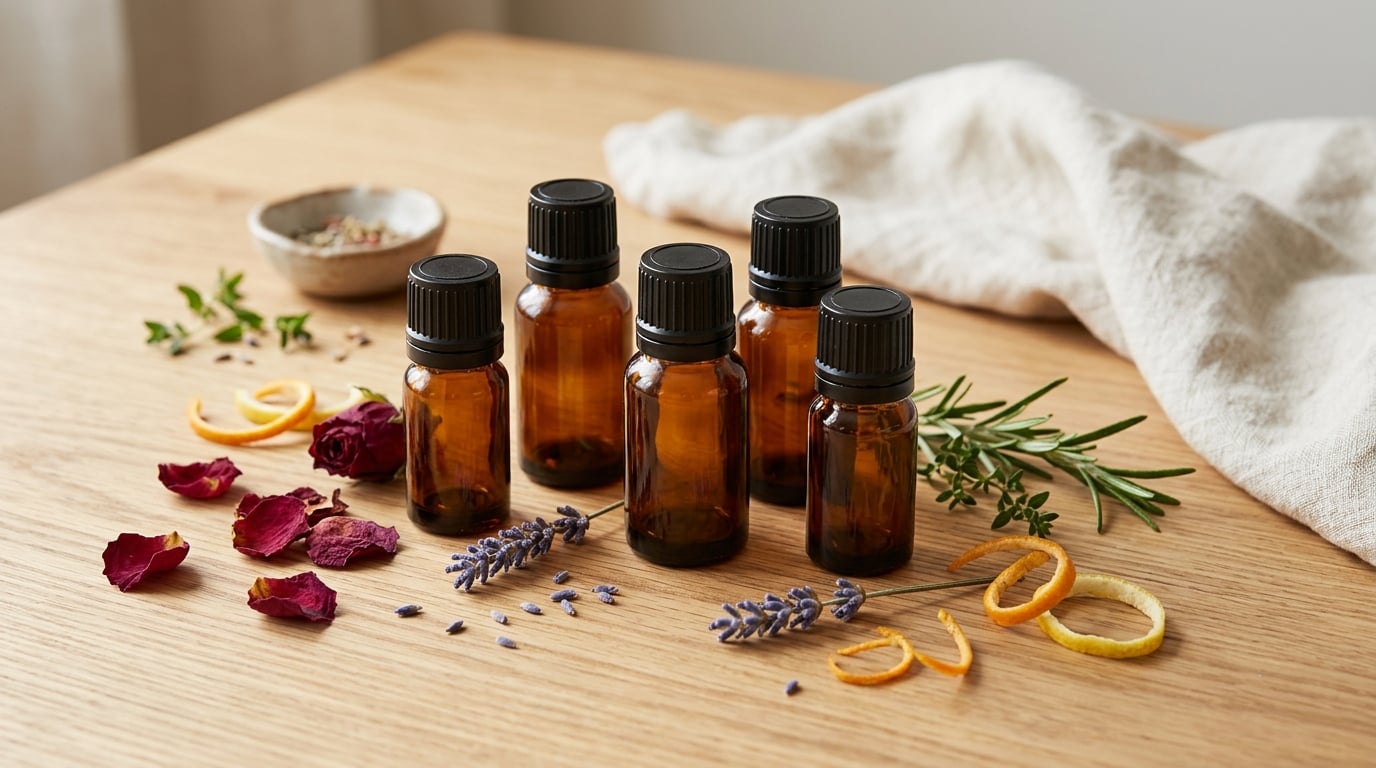
Creating products with distinctive aromas starts with choosing the right scent ingredients. Fragrance Oils give manufacturers, craft enthusiasts, and small business owners a wide range of aromatic options for developing products with their own character. From decorative wax creations to scented household items, the right formulation can help establish a consistent scent experience.
Before selecting an oil, consider the product you intend to make, the aroma you want to achieve, and the technical requirements of your formulation. Understanding these factors helps you compare available options and avoid purchasing ingredients that are unsuitable for your project.
Understanding Fragrance Composition
A fragrance is often made up of multiple aromatic components that work together to produce a particular smell. Some formulations emphasise a single recognizable note, while others combine several scent characteristics to create a more complex profile.
For example, a composition might open with a bright citrus aroma, develop into a floral middle, and finish with warm woody notes. This layered approach allows product developers to create different scent experiences for different audiences.
Fragrance Oils vary in composition and intended use. Always consult the supplier’s technical information to understand the formulation’s suitability and limitations.
Scent Profiles for Different Product Concepts
Choosing an aroma becomes easier when you begin with a clear creative direction. Consider these fragrance families when planning a new product.
Citrus and Herbal Notes
Lemon, bergamot, lemongrass, and herbal-inspired aromas can contribute a bright, crisp character to suitable formulations. These profiles may work well in product concepts built around freshness and simplicity.
Oriental and Spiced Notes
Warm spices, amber-inspired accords, and rich aromatic combinations can create a deeper scent profile. They may be considered for selected candles, home fragrance products, and other compatible applications.
Green and Earthy Notes
Leafy, grassy, and earthy aromas offer an alternative to sweeter scent styles. They can help create compositions inspired by gardens, forests, and natural surroundings.
Gourmand Notes
Gourmand fragrances take inspiration from familiar dessert and food aromas, such as vanilla, cocoa, and caramel. Their sweetness can add a distinctive character to compatible scented products.
Musk-Inspired Notes
Musk-inspired compositions can provide soft, warm, or clean aromatic qualities, depending on the formulation. They may be used as part of a broader fragrance blend where permitted by the supplier’s specifications.
Applications in Product Development
Fragrance Oils can serve different functions across manufacturing and creative work. Application suitability should always be confirmed before use.
Decorative Wax Creations
Candles and wax-based decorations can incorporate compatible fragrance oils to introduce an aromatic element. The final result depends on the wax composition, fragrance concentration, wick selection where applicable, and production method.
Conduct burn testing for candles and follow the supplier’s recommended fragrance load. A scent that performs well in one wax blend may behave differently in another.
Aromatic Household Products
Certain formulations can be used in compatible household fragrance products. Depending on the product design, these may include room fragrance solutions or other scent-focused applications.
Check the required base materials, compatibility information, and safety guidance before combining ingredients.
Artisan Soap Production
Soap makers may use suitable fragrance formulations to give products a recognizable scent. The choice should account for the soap-making process and the possibility of changes during production.
Test the fragrance in a small batch before preparing larger quantities. Monitor colour, texture, setting behaviour, and the finished aroma.
Creative Manufacturing Projects
Fragrance ingredients may also support specialised craft projects and other manufactured goods. The important consideration is whether the formulation is designed for the intended application and whether its use complies with relevant safety requirements.
A Practical Method for Comparing Fragrance Oils
When evaluating several options, use a consistent comparison process rather than relying entirely on the initial scent impression.
- Define the product: Identify the finished item and its intended use.
- Set the scent direction: Decide whether the product should smell fresh, warm, sweet, floral, earthy, or complex.
- Review technical details: Check application guidance, recommended concentrations, and relevant safety documents.
- Compare samples: Evaluate suitable samples under consistent conditions.
- Test the complete formulation: Assess the aroma after mixing and, where relevant, after curing or resting.
- Record your results: Keep notes on the supplier, batch, concentration, and observed performance.
This method helps make comparisons more objective and supports consistent production decisions.
Factors That Affect Scent Performance
The same fragrance can smell different depending on the materials and conditions surrounding it. Several factors may influence the finished product.
Base ingredients: Waxes, soaps, solvents, and other materials can influence how an aroma develops.
Concentration: The amount used affects the finished scent, but higher concentrations are not automatically better or safer.
Temperature: Heat during manufacturing or storage may affect certain aromatic components.
Curing and resting time: Some products need time before their final scent and physical characteristics can be evaluated.
Packaging: Container materials and closure quality can affect product preservation and scent retention.
Testing the complete product is more reliable than evaluating the fragrance ingredient alone.
Safe Handling and Quality Control
Appropriate handling practices are important when working with concentrated aromatic ingredients. Read the product documentation before opening or using a container, and follow the recommended protective measures.
Store materials in suitable, tightly closed containers according to the supplier’s instructions. Avoid unnecessary exposure to heat and direct sunlight, and keep ingredients away from children and pets.
For products intended for skin contact, use only formulations approved for the relevant cosmetic application. Verify applicable usage limits and safety requirements rather than assuming that a fragrance suitable for a household product is appropriate for cosmetics.
Businesses should also maintain batch records, supplier information, and quality checks. These records can help identify inconsistencies and support more reliable manufacturing.
Buying Fragrance Oils for Business Use
Businesses selecting fragrance ingredients should consider more than the scent itself. Product specifications, documentation, packaging sizes, supply consistency, and suitability for the intended manufacturing process can all affect purchasing decisions.
Small-scale makers may prefer to evaluate samples before committing to larger quantities. Established manufacturers may prioritise repeatable specifications and reliable batch information.
Before placing an order, clarify the intended application and review the supplier’s available technical documentation. This can help prevent unsuitable purchases and reduce avoidable formulation problems.
Build a Distinctive Scent Range
Developing a successful scented product begins with a clear concept and careful ingredient selection. Fragrance Oils provide numerous creative directions, from bright citrus compositions to earthy, warm, and dessert-inspired aromas.
Compare scent profiles, verify application suitability, and test each formulation under realistic conditions. A structured approach to selection and quality control can help creators develop products that better match their design goals while meeting appropriate safety requirements.