


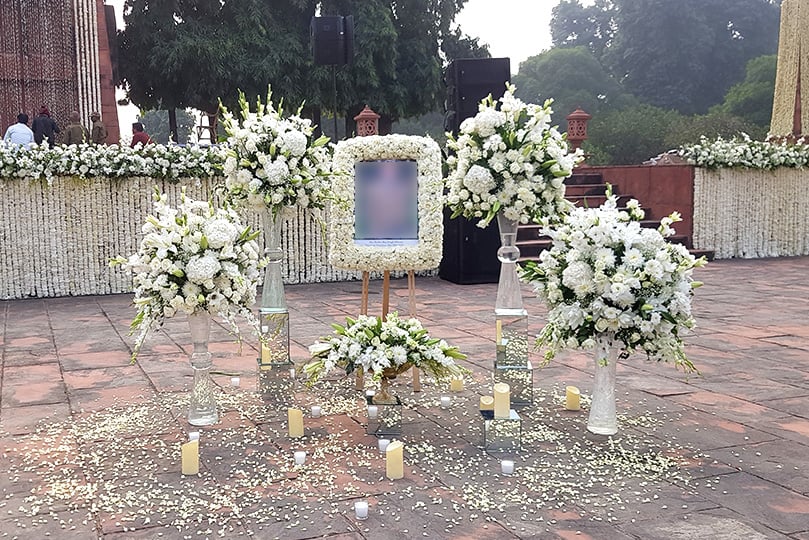
Saying goodbye to someone who has played an important role in our lives is never easy. During times of loss, flowers offer a thoughtful way to express sympathy, show support, and honour the memory of someone who has passed away. Their colours, fragrances, and natural beauty can communicate emotions that are sometimes difficult to put into words.
Choosing the Best Funeral Flower Arrangements Mississauga families can consider involves more than selecting an attractive bouquet. Different floral designs carry different meanings and serve different purposes. Understanding these options can help families and friends choose an appropriate tribute that reflects their relationship with the deceased while offering comfort to those grieving.
Understanding the Meaning Behind Funeral Flowers
Flowers have long been associated with remembrance, sympathy, and respect. Their presence at a funeral or memorial service creates a peaceful atmosphere and provides a visual expression of care.
Different flowers can communicate different sentiments:
-
Lilies: Often associated with purity, peace, and the restoration of innocence.
-
Roses: Represent love, respect, admiration, and remembrance.
-
Chrysanthemums: Commonly associated with mourning and honouring someone who has passed away.
-
Carnations: Symbolize affection, remembrance, and lasting love.
-
Orchids: Often represent enduring love, beauty, and respect.
Understanding these traditional meanings can make choosing sympathy flowers more personal. However, the most meaningful arrangement is ultimately one that reflects the personality, preferences, or memory of the person being honoured.
Popular Types of Funeral Flower Arrangements
Funeral flowers are available in several designs, each suited to different settings and relationships. Knowing the main options can make the selection process easier.
1. Standing Funeral Sprays
Standing sprays are among the most recognizable funeral floral tributes. They are typically displayed on an easel and placed near the casket or memorial service area.
These arrangements often feature lilies, roses, carnations, and seasonal flowers. Their size and presentation make them suitable for expressing respect and sympathy from extended family members, friends, or professional groups.
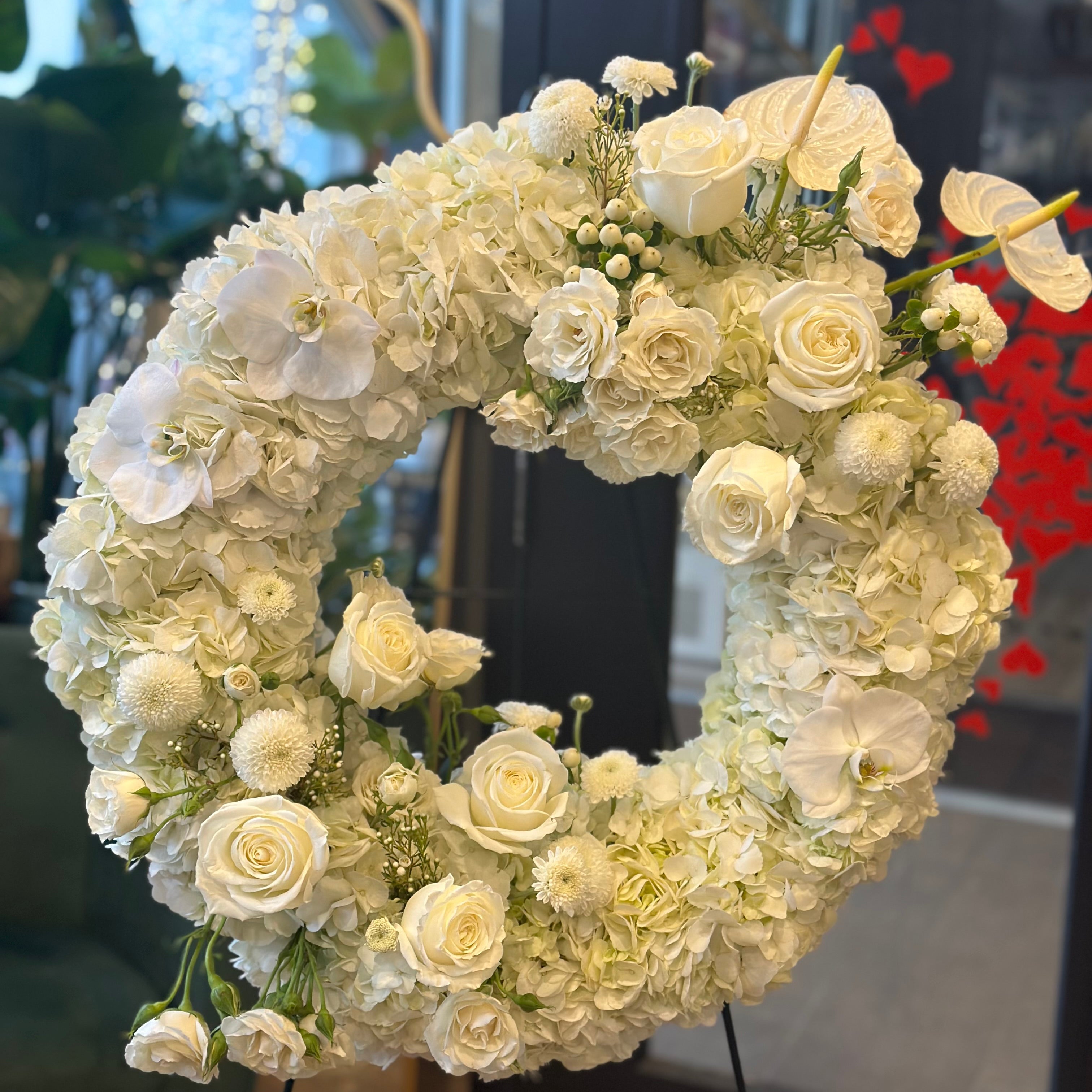
2. Funeral Wreaths
A funeral wreath represents eternity, remembrance, and the continuing nature of love. Its circular design has no beginning or end, making it a meaningful symbol of lasting memories.
Wreaths can feature a combination of traditional white flowers, soft pastel shades, or colours that reflect the personality of the deceased. They are commonly displayed during funeral and memorial services.
3. Casket Flower Arrangements
Casket sprays are floral displays designed specifically to rest on top of a casket. They are generally selected by immediate family members and can be created in different sizes and styles.
White lilies, roses, and other delicate blooms are popular choices for their elegant appearance. Families may also select flowers in colours that held special meaning for their loved one.
4. Sympathy Bouquets and Baskets
Sympathy bouquets and flower baskets offer a more flexible way to express condolences. They can be sent to a family home, displayed at a memorial gathering, or presented as a personal gesture of support.
These arrangements are often smaller than standing sprays, making them appropriate for friends, colleagues, neighbours, and extended relatives who wish to acknowledge a loss.
How to Choose the Right Funeral Flowers
Selecting an appropriate floral tribute requires consideration of several factors. A thoughtful choice can communicate genuine care without being overly elaborate.
Consider Your Relationship With the Deceased
Your relationship with the person who has passed away can help determine the most suitable arrangement. Immediate family members may choose casket sprays or larger floral tributes, while friends and colleagues often prefer sympathy bouquets or baskets.
If you are unsure, a traditional arrangement with neutral colours is generally a considerate option.
Choose Appropriate Colours
Flower colours can influence the overall feeling of an arrangement.
White is commonly associated with peace, purity, and remembrance. Soft pink can communicate admiration and affection, while purple may represent dignity and respect. Red flowers can express deep love, making them meaningful for close family members or partners.
There is no single correct colour choice. Personal preferences and cultural traditions should always be considered.
Think About the Service Setting
Before ordering funeral flowers, consider where they will be displayed. Large standing arrangements may be appropriate for a funeral home or memorial venue, while compact bouquets can be more suitable for a family residence.
It is also helpful to check whether the family or service organizers have specific preferences regarding floral tributes.
The Importance of Personalization in Funeral Tributes
A personalized arrangement can make a floral tribute feel more meaningful. Instead of choosing flowers solely for their appearance, consider incorporating elements that reflect the individual’s interests, favourite colours, or personality.
For example, someone who loved gardening might be remembered through a selection of seasonal blooms. A person who appreciated simple elegance may be better represented by a delicate arrangement of white flowers and greenery.
Working with a florist can help turn these personal details into a thoughtful design.
When exploring different floral styles, Compassionate Flowers offers an opportunity to discover arrangements suitable for expressing sympathy and remembrance. Their collection of floral arrangements provides a useful starting point for considering different designs, flower combinations, and presentation styles.
Funeral Flower Etiquette: What to Keep in Mind
Sending flowers during a difficult time is a considerate gesture, but a few simple etiquette guidelines can help ensure your tribute is appropriate.
-
Check family preferences: Some families request charitable donations or prefer specific arrangements instead of traditional flowers.
-
Include a sympathy message: A short, sincere note can make your gesture more personal.
-
Respect cultural traditions: Funeral customs and flower preferences can vary across religious and cultural communities.
-
Consider delivery timing: Arrange delivery according to the funeral service schedule or the family’s preferred time.
-
Choose an appropriate size: A floral tribute should suit the setting and should not create inconvenience for the grieving family.
A thoughtful message does not need to be lengthy. Simple words such as “With deepest sympathy” or “Forever remembered and never forgotten” can communicate genuine support.
Caring for Funeral Flowers After the Service
Many families choose to preserve or repurpose funeral flowers after the memorial service. Fresh arrangements can sometimes be taken home, shared among relatives, or placed at a meaningful location, depending on family preferences and venue guidelines.
To maintain their appearance, trim the stems, place the flowers in clean water, and keep them away from direct sunlight and excessive heat. Removing wilted blooms can also help preserve the remaining flowers.
Some families may choose to dry selected flowers or press individual petals as keepsakes. These small gestures can provide a lasting reminder of someone who remains important in their lives.
Conclusion
Choosing the Best Funeral Flower Arrangements Mississauga families can send is ultimately about expressing love, sympathy, and respect in a meaningful way. Whether you select a traditional wreath, an elegant standing spray, a casket arrangement, or a simple sympathy bouquet, the intention behind the gesture matters most.
By considering flower meanings, personal preferences, cultural traditions, and the service setting, you can select a tribute that feels appropriate and sincere. Thoughtfully chosen flowers offer a gentle reminder that even during difficult moments, care, compassion, and cherished memories continue to bring people together.