




Food spoilage is caused by moisture and light. The FAO estimates that the global losses between harvest and retail are at approximately 14 percent. By improving packaging, you can reduce waste of food. Mylar vacuum seal bags have the ability to block all sources of spoilage and this guide will detail the mechanism.
Foods Last Longest in a Vacuum Seal Mylar Bag
Mylar bags with dries and low-fat foods are best placed in a vacuum seal mylar bag. When stored under cool, dark conditions, staples well packed can be stored much longer than they would be on a pantry shelf:
- White rice: 25 to 30 years.
- Hard red wheat: 20-30 years.
- Dried beans: 20-30 years.
- Oats: 20-30 years.
- Pasta: about 20 years
How Do You Seal Mylar Bags Correctly?
To seal a Mylar bag correctly, do the following:
- Leave about two inches of space at the top and put some dry food in the pouch.
- Add an oxygen absorber and remove the air.
- Pass a heat sealer over the top and target a seam of at least a quarter inch.
- Repeat the sealing one more time, slightly less than the initial seal in order to have more security.
- Write the labels on the pouch with the contents and the date of packing.
In 24 hours, a well-sealed pouch must appear tight and solid since the absorber has drawn out the oxygen. A loose pouch will tend to leak or its absorbent will have been full.
Why Do Custom Food Storage Mylar Bags Matter for Different Needs?
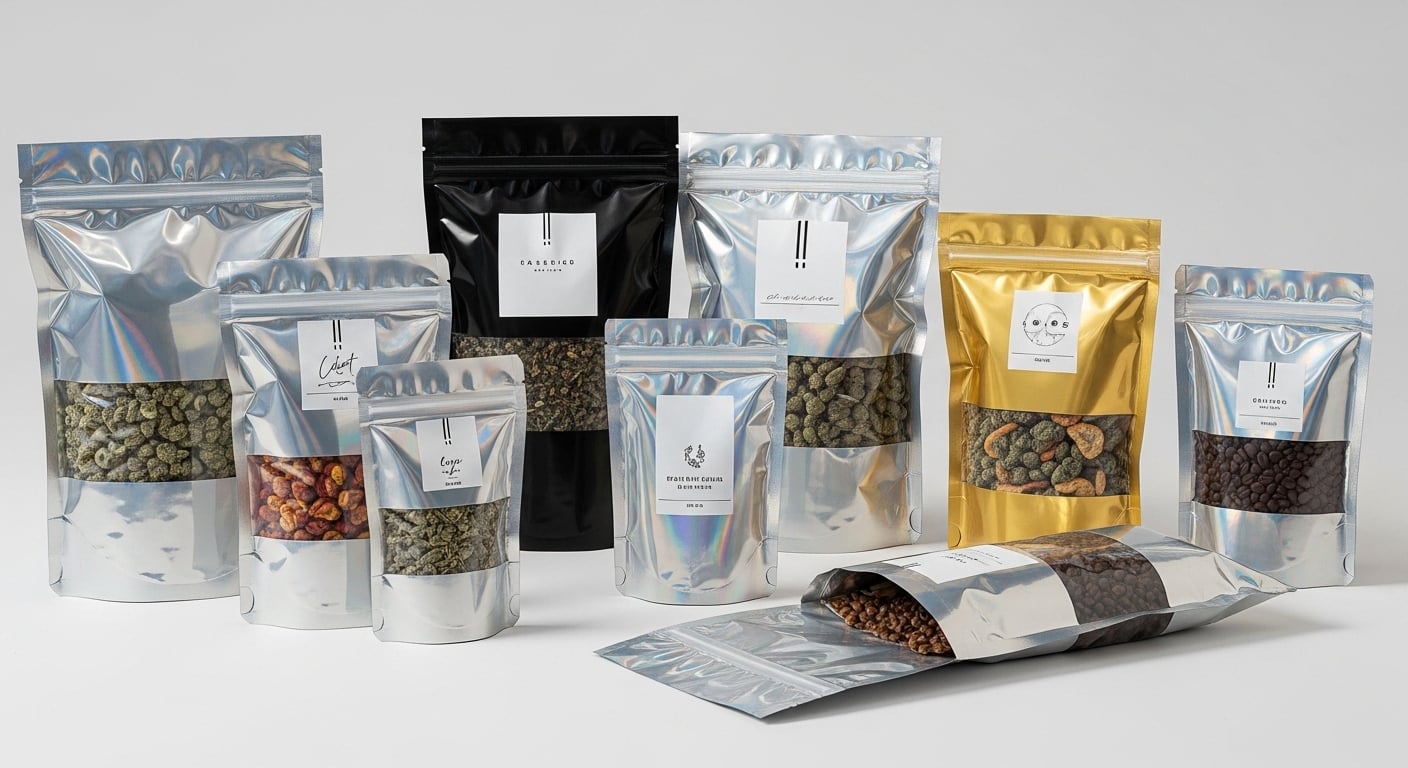
Common sizes do not apply to all situations. Custom Food Storage Mylar Bags allow households, farmers and small food producers to size pouch sizes to their portions and the appropriate size prevents waste. As soon as you open a pouch, the other food is exposed to oxygen once again, and the smaller the portions, the less food will spoil in the long run.
Practical features are also covered under customization. Zippers can be resealed so you can easily get into something you need, tear notches can be easily used to access something, and date and lot numbers can be printed on the fields to ease rotation. Clear windows reveal contents, but a window allows light and reduces the maximum shelf life of light-sensitive foods.
What Mistakes Shorten Shelf Life?
A small number of preventable mistakes are at the root of most of the failures:
- Warm storage: It is generally accepted that each 18F (10C) increase in temperature reduces shelf life by a factor of about two. Store closed packets at room temperature below 70°F (21C).
- Imprecise size of the absorbers: A smaller size results in more remaining oxygen.
- Weak seams and pinholes: Test every seal and examine pouches to eliminate pinholes before filling.
A further measure of protection against rodents and crushing is placing sealed pouches in food-grade buckets.
Are Mylar Bags Worth the Effort?
To anybody who desires to have staples that will last several years, yes is normally the answer. Each pouch is a dollar or two, can be closed in minutes and can increase storage life by ten or more times that of an open container. Select the suitable thickness, put the pouches somewhere cold place and check them every year or two. Check them to see whether they are leaking or not. A little care at packing time pays off for decades.
FAQs
- Should I seal mylar bags with a vacuum sealer?
Not usually. Home vacuum sealers that are standard require textured or embossed bags and the majority of mylar pouches have smooth walls. The majority of the population does not follow the vacuum step, insert an oxygen absorber and close the pouch with a heat sealer or a flat iron. Chamber vacuum sealers utilize smooth mylar and they are also a few hundred dollars.
- How i know which is the size of the pouch that I want?
Approximately five pounds of rice or wheat are in one gallon. The rice packs in a 5-gallon pouch contain approximately 30-35 pounds of rice and fit into a typical food-grade bucket. Households with unusual amounts or small-scale producers often have mylar Bags of Custom Food Storage ordered to match the requirements.
- Can I use mylar pouches with food?
Find that label on the packaging or the specification sheet of the supplier, and avoid craft or industrial films with no food-safety statement. Never keep moist foods in them, and they should only be closed when filled with dry foods, as this will create the conditions of low oxygen and high moisture that allow botulism spores to proliferate.