





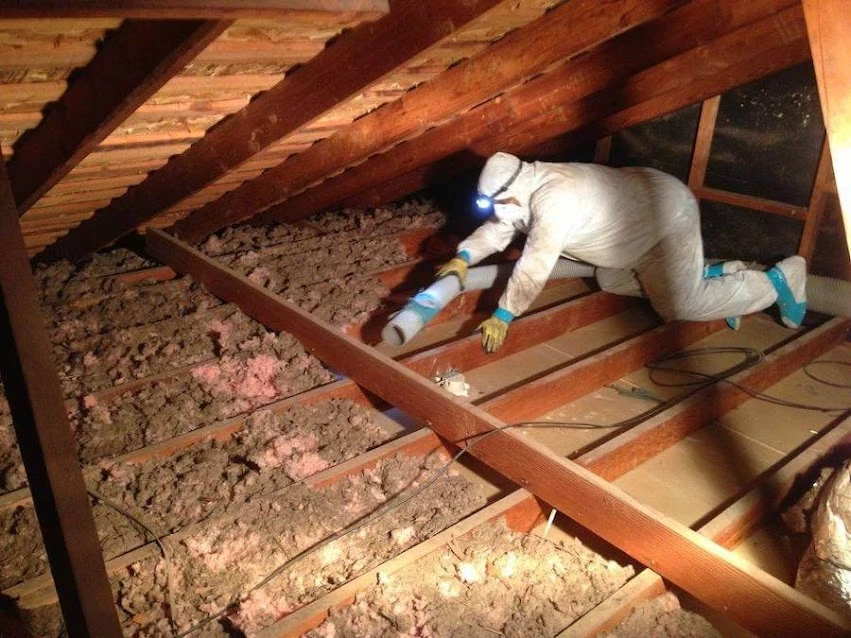
Professional insulation removal typically involves inspecting the affected area, checking for moisture or safety concerns, removing unsuitable insulation, and preparing the space for repairs or replacement. For homeowners in Jupiter, FL, the process depends on the insulation type, the extent of damage, and whether the home has mold, pest activity, or water intrusion.
Home insulation removal can involve an attic, walls, or crawl space. This guide explains the main steps, common removal options, safety concerns, and how Jupiter’s hot, humid weather can affect the work.
Why Professional Insulation Removal May Be Necessary
Insulation does not always need to be removed simply because it is old. Removal may be appropriate when the material is wet, contaminated, badly damaged, or obstructing necessary repairs.
Common reasons include:
- Water Damage: Roof leaks or plumbing problems can leave insulation damp and require the moisture source to be corrected.
- Pest Contamination: Rodent droppings, urine, and nesting material may make affected insulation unsuitable to keep.
- Mold Concerns: Visible mold or persistent moisture may require further inspection and professional remediation.
- Renovation Work: Insulation may need to be removed to access wiring, damaged framing, or other building components.
The Building America Solution Center’s attic assessment guide recommends addressing roof leaks, pests, mold, and unsafe conditions before insulation upgrades proceed.
How Professional Insulation Removal Works
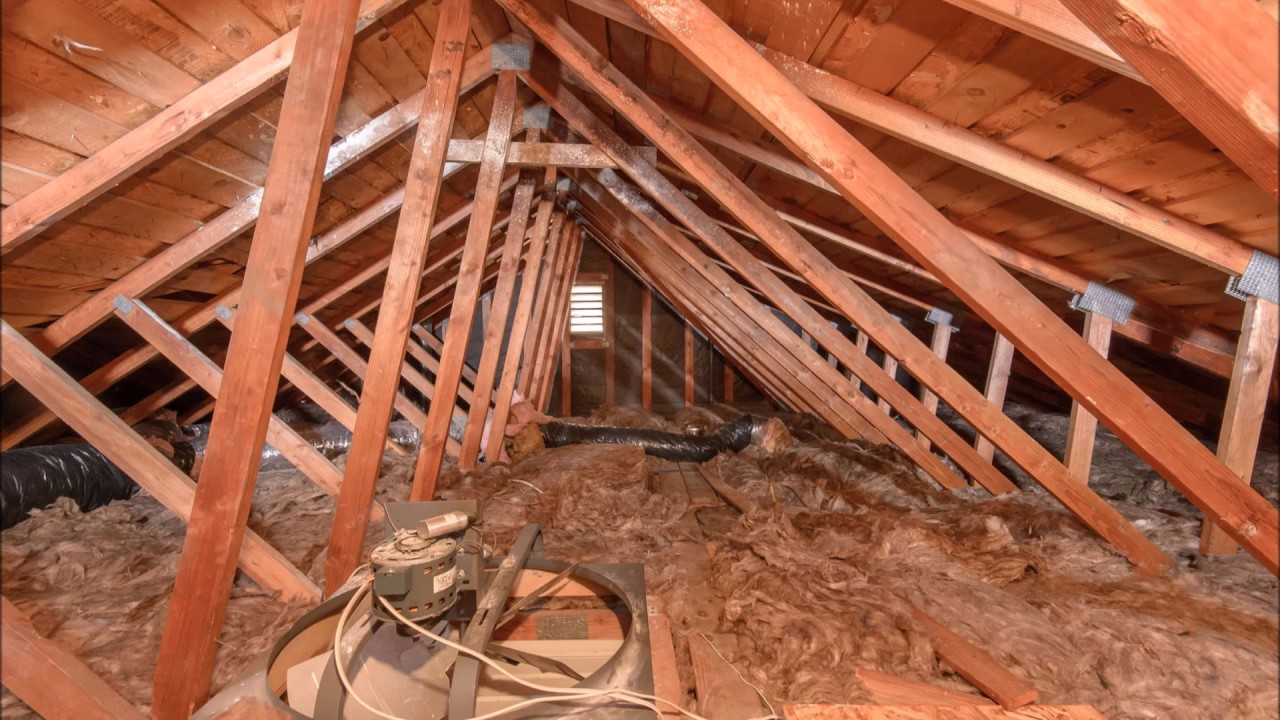
The exact process depends on the location and material. A proper assessment helps determine how much insulation needs to be removed and what repairs or safety measures may be necessary.
1. Inspecting the Insulation and Work Area
The contractor checks the insulation’s condition and looks for signs of water damage, pests, mold, or deteriorated building materials. Access points, wiring, ventilation, and nearby equipment may also affect the work plan.
2. Identifying Safety Concerns
Older homes may contain materials that require special handling. If vermiculite insulation or another potentially hazardous material is suspected, work should pause until the material is assessed appropriately.
The U.S. Environmental Protection Agency’s vermiculite guidance advises homeowners not to disturb vermiculite insulation because it may contain asbestos.
3. Removing the Affected Material
For suitable materials, professionals may use manual removal, specialized vacuum equipment, or other methods suited to the insulation and location. The work area should be managed to limit the spread of dust and debris.
4. Checking the Exposed Area
Once the insulation is removed, the accessible surfaces can be checked for moisture damage, pest entry points, or other problems. Mold remediation, pest treatment, or building repairs may be needed before replacement.
5. Preparing for Replacement
New insulation should not cover unresolved leaks or damp materials. Once necessary repairs are complete and the area is ready, the homeowner can consider suitable replacement insulation and the appropriate R-value.
Benefits of Professional Insulation Extraction
Professional removal can help homeowners identify problems that were hidden beneath old insulation. It also prepares the affected area for repairs or a planned insulation upgrade.
Key benefits include:
- Better Access for Repairs: Removing damaged material can expose areas that need attention, such as roof leaks or deteriorated framing.
- Controlled Cleanup: Suitable work practices help limit dust and debris spreading into living spaces.
- A Clearer Replacement Plan: Inspection after removal helps determine whether the remaining insulation can stay or needs further work.
- Attention to Underlying Problems: Addressing moisture or pest entry points helps reduce the chance of recurring damage.
Removal alone does not fix leaks, eliminate every source of mold, or guarantee lower energy bills. Those outcomes depend on the repairs and improvements completed afterward.
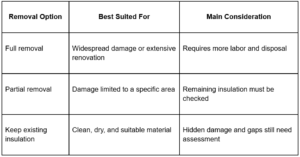
Full Insulation Removal vs. Partial Removal
The right removal method depends on how far the damage extends and whether the unaffected insulation can remain in place. A professional assessment helps avoid removing more material than necessary.
Pros and Cons of Professional Removal
Professional removal can make repairs easier, but the project may involve added costs and follow-up work.
Pros
- Helps expose damaged surfaces and hidden moisture problems.
- Prepares the space for new insulation when needed.
- Reduces the risk of spreading debris when appropriate containment and cleanup methods are used.
Cons
- Labor and disposal can increase project costs.
- Repairs may be needed before replacement insulation can be installed.
- Suspected hazardous materials may require a separate qualified specialist.

How Jupiter’s Weather Affects Insulation Removal
Jupiter experiences hot, humid conditions and seasonal heavy rainfall. Moisture control is especially important because wet insulation and damp building materials may require attention before the home is reinsulated. The National Weather Service’s South Florida seasonal overview describes the region’s warm, humid summer conditions and frequent showers.
- Rainy weather: Roof leaks and water intrusion should be corrected before new insulation is installed.
- High humidity: The affected materials need to be assessed and properly dried before the space is closed up.
- Hot attic conditions: Contractors should plan for heat exposure and safe working conditions during removal.
There is no single best season for every project. The condition of the insulation, weather at the time of work, and readiness of the building are more important than choosing a particular month.
Does R-Value Matter After Insulation Removal?
R-value measures how well insulation resists heat flow. A higher R-value means greater resistance to heat transfer, but actual performance also depends on proper installation and complete coverage. The U.S. Department of Energy’s insulation guide explains how insulation type and thickness affect R-value.
After removal, homeowners should consider:
- The recommended R-value for the part of the home being insulated.
- Whether the replacement material suits the attic, walls, or crawl space.
- Air leaks, ventilation, and moisture-control needs.
- Applicable building-code requirements.
Removing old insulation does not automatically improve energy efficiency. The replacement must be appropriate for the home and installed correctly.
How All in Overhall Approaches Insulation Removal
They offer insulation removal services in Jupiter, FL, alongside residential and commercial insulation solutions. The appropriate scope depends on the affected material, the condition of the space, and any repairs needed before replacement.
A removal project may involve assessing the insulation, identifying visible damage, determining whether full or partial removal is appropriate, and identifying concerns that require specialist attention. Suspected asbestos-containing materials should be handled by qualified professionals rather than treated as routine insulation removal.
Conclusion
Professional insulation removal helps prepare a home for repairs and suitable replacement material. For Jupiter homeowners, the process should account for moisture, contamination, safe handling, and the condition of the building. Addressing the cause of damage before installing new insulation helps prevent the same problems from returning.
Contact All in Overhall for Insulation Removal
Homeowners who notice damaged, damp, or contaminated insulation can contact All in Overhall to discuss their insulation removal needs in Jupiter, FL.
- Email: info@allinoverhall.com
- Phone: (561) 406-3835
Frequently Asked Questions
1. How Long Does Home Insulation Removal Take?
Timing depends on the size of the area, insulation type, accessibility, and level of contamination. A contractor can provide a more useful estimate after inspecting the space.
2. Can Homeowners Remove Insulation Themselves?
Some ordinary insulation may be removable with suitable precautions, but contaminated or potentially hazardous materials need careful assessment. The EPA advises against disturbing vermiculite insulation because it may contain asbestos.
3. Does All Insulation Need to Be Removed After a Roof Leak?
No. The decision depends on how much insulation was affected and whether it can be dried and remain suitable for use. The leak must be repaired, and damaged materials should be assessed before the area is reinsulated.
4. What Should Homeowners Do Before an Insulation Removal Appointment?
Clear access to the work area if safe to do so, and tell the contractor about known leaks, pest activity, or previous repairs. Avoid disturbing insulation that may contain hazardous materials.
Author & Reviewer
Author: I’m Richard Hall, founder of ALL IN OVERHALL, a local spray foam insulation company in Jupiter, FL, founded on January 3, 2022. I have four years of experience in the insulation industry, including experience gained before founding the company. I focus on clear communication and quality workmanship, helping homeowners and businesses improve comfort and energy efficiency year-round. My work is centered on providing quality spray foam insulation while maintaining clear communication throughout each project. I’m committed to delivering dependable workmanship and effective insulation solutions for every customer.
Reviewer: Mia Clark used her 9 years of experience in spray foam to review this article and offered input focused on helping companies make their services easier to understand and market effectively.