
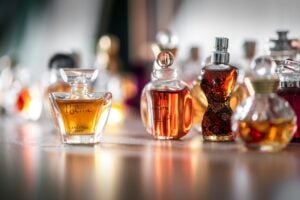

Niche perfume brands attract buyers who want something beyond familiar department store fragrances. They often offer unusual scent combinations, smaller collections, and creative ideas that stand apart from mass-market releases. However, choosing a niche perfume is not simply about finding a rare bottle or paying more for a luxury label.
The real value of a fragrance depends on how it smells, how it develops on the skin, how well it suits the wearer, and whether its price feels fair. Some niche perfumes offer a memorable scent experience, while others may disappoint buyers who expect exceptional longevity or a completely unique smell.
Understanding how these fragrances are made, priced, marketed, and worn can help consumers look beyond the label and choose perfumes with greater confidence.
What Makes Niche Perfume Brands Different?
The term niche perfume usually describes fragrance brands that focus mainly on perfumery rather than selling a wide range of beauty products. Many build their identity around artistic direction, distinctive scent profiles, or a particular view of fragrance.
Unlike many large fragrance companies, which often serve broad audiences and sell through extensive retail networks, niche houses may have more freedom to explore unusual combinations.
For example, a fragrance might combine smoky woods with rose, pair mineral notes with incense, or use earthy vetiver in a way that feels dry and understated. These choices can appeal to people who want a scent that feels less familiar.
However, the line between niche and designer perfumery is not always clear. Some designer brands release experimental fragrances, while some niche brands create easy-to-wear scents with broad appeal.
The label alone cannot tell buyers everything they need to know.
Creativity Matters More Than Exclusivity
A strong niche fragrance often begins with a clear idea. The perfumer might explore a material, a place, a memory, or a contrast between two scent families.
This creative direction can make a fragrance more interesting than one built around familiar notes simply because those notes are popular.
Still, unusual does not automatically mean good. A perfume built around leather, smoke, or animalic notes may be fascinating to one person and unpleasant to another. Creative ambition matters, but the finished scent must also work for the person wearing it.
Smaller Production Does Not Guarantee Better Quality
Some niche houses produce limited quantities, while others operate internationally and sell large volumes. Production size alone does not determine the quality of the formula.
A smaller brand may offer excellent craftsmanship, but it can also face higher production costs and limited testing resources. A larger company may have advanced laboratories, experienced perfumers, and strong quality-control systems.
Buyers should judge the finished fragrance rather than assuming that a small company must make a superior product.
Why Niche Perfumes Often Cost More
Price is one of the biggest factors in niche fragrance shopping. A bottle may cost several times more than a mainstream perfume, leading buyers to expect better ingredients, stronger performance, or greater originality.
These expectations are not always justified.
Ingredients Are Only Part of the Cost
Natural materials such as rose, jasmine, sandalwood, and oud can be expensive, depending on their source, quality, and processing method. Some natural extracts also vary from batch to batch.
However, a modern fragrance can combine natural ingredients with carefully selected aroma molecules. These materials may help a perfumer achieve effects that would be difficult, costly, or inconsistent with natural ingredients alone.
Synthetic materials are not automatically inferior. Many provide stability, improve scent balance, or create notes that cannot be obtained easily from nature.
The final result depends on the formula, the materials used, and the skill involved in combining them.
Branding and Distribution Affect the Price
A fragrance’s retail price may include packaging, bottle design, marketing, distribution, retailer margins, and import costs. These expenses can vary widely between brands and markets.
A heavy glass bottle, decorative cap, and elaborate box can create a sense of luxury, but they do not necessarily improve the smell.
One useful observation is that the buyer pays for two different things: the fragrance itself and the experience built around it. Both may have value, but they should not be confused.
Someone who enjoys collecting beautifully designed bottles may accept a higher price for presentation. A buyer who cares mainly about the scent may prefer a simpler package and a more affordable formula.
How to Judge a Niche Perfume Before Buying
The most reliable way to evaluate a fragrance is to test it under conditions close to those in which it will be worn.
1. Follow the Fragrance Through Its Development
Perfumes change after application. The opening notes are usually the first smells a person notices, while the heart develops as the fragrance settles. Base notes often remain after the brighter opening has faded.
A perfume that smells impressive during the first few minutes may become too sweet, smoky, or heavy later.
For a more reliable assessment, test a small amount on the skin and revisit it after 30 minutes, two hours, and several more hours. Notice which parts of the scent remain and whether the fragrance becomes more or less enjoyable.
This is especially useful when considering complex compositions built around oud, amber, leather, incense, or woods.
2. Check Longevity and Projection Separately
Longevity describes how long a fragrance remains noticeable. Projection describes how far its scent travels from the wearer.
These qualities are related, but they are not the same.
A perfume may remain close to the skin for eight hours without filling a room. Another may project strongly for the first two hours and then fade quickly.
Neither behavior automatically indicates poor quality. A subtle fragrance may be ideal for an office, while a stronger one may suit an outdoor evening event.
Buyers should consider the intended setting rather than treating maximum projection as the main sign of value.
3. Consider Weather and Personal Habits
Heat can make many fragrances feel stronger and cause their scent profiles to develop differently. In warm climates, dense amber, sweet vanilla, and heavy woods may become overwhelming when applied too generously.
A fragrance that feels balanced in an air-conditioned shop may behave differently outdoors.
For example, someone buying a rich oud perfume for daily use in Dubai may find that one spray is enough during a hot afternoon. The same fragrance may feel more comfortable in cooler evening weather.
This does not mean warm climates require only fresh scents. It means application, setting, and personal comfort matter as much as the fragrance itself.
4. Test on Skin, Not Only on Paper
Blotter strips are useful for comparing several perfumes without mixing them on the skin. They can reveal a fragrance’s broad character and make early screening easier.
However, skin temperature, moisture, and other individual factors can influence how a perfume is perceived and how it develops. A blotter cannot fully reproduce the wearing experience.
Test your preferred options on skin before making an expensive purchase. If possible, wear each fragrance on a different day to avoid confusion between scents.
What Fragrance Buyers Often Get Wrong
Several common beliefs can lead to disappointing purchases.
Misconception 1: Expensive Perfumes Always Last Longer
Price and longevity do not have a direct relationship. Some costly fragrances are designed to be light and transparent, while more affordable perfumes can remain noticeable for many hours.
Longevity also depends on the formula, the amount applied, the wearer’s skin, and the environment.
Rather than assuming that a higher price guarantees better performance, look for credible wear tests and evaluate the fragrance yourself.
Misconception 2: Rare Ingredients Guarantee a Unique Smell
An ingredient may be rare or expensive, but its effect depends on how it is used.
Oud, rose, musk, amber, and vanilla appear in many fragrance styles. Two perfumes can use similar materials and still smell very different because of their proportions, supporting notes, and overall structure.
Conversely, two brands can produce fragrances that smell remarkably similar even when their marketing stories are different.
The complete composition matters more than the prestige of a single ingredient.
Misconception 3: Niche Perfumes Are Always More Original
Niche brands can be highly experimental, but they do not have a monopoly on originality.
Some explore unusual accords, while others create familiar citrus, floral, woody, or sweet compositions. Designer houses also release fragrances with distinctive concepts and unconventional materials.
The useful question is not whether a perfume belongs to a niche brand. It is whether the fragrance offers something you genuinely enjoy and whether that experience justifies its price.
The Hidden Role of Buyer Psychology
The way people judge perfume is influenced by more than smell. Packaging, storytelling, price, and social recommendations can shape expectations before the first spray.
The Price-Expectation Effect
When buyers spend a large amount on a fragrance, they may expect it to smell more complex, last longer, or receive more compliments. These expectations can influence their first impression.
This does not mean the fragrance is poor or that the buyer’s enjoyment is false. It means the purchase experience can affect how value is perceived.
A useful test is to smell the fragrance before reading extensive marketing claims. Write down your first impressions, then revisit them after several hours of wear.
This simple habit can help separate personal preference from the story surrounding the bottle.
The Search for a Signature Scent
Some buyers choose niche perfume brands because they want a recognizable personal scent. Others want a collection that changes with the season, mood, or occasion.
These goals require different buying decisions.
Someone seeking a signature scent may benefit more from versatility, comfort, and repeated wear than from rarity. A collector may value an unusual composition even if it is suitable for only a few occasions.
The key insight is that fragrance value depends on how often and how happily someone wears it, not simply on how unusual it is.
A bottle that costs less but is worn four days a week may offer better personal value than an expensive fragrance used twice a year.
A Practical Way to Compare Fragrance Value
Before purchasing, compare the fragrance across four areas:
|
Factor |
What to consider |
|---|---|
|
Scent quality |
Do you enjoy the opening, heart, and dry-down? |
|
Performance |
Does its longevity and projection suit your needs? |
|
Versatility |
Can you wear it in your usual settings and weather? |
|
Cost |
Is the price reasonable for the amount you expect to use? |
Price per milliliter can help when comparing bottle sizes, but it should not be the only measure. A lower cost per milliliter does not make a fragrance a better purchase if you rarely wear it.
Consider a buyer choosing between a 50 ml niche fragrance priced at $180 and a 100 ml fragrance priced at $240.
The first costs $3.60 per milliliter, while the second costs $2.40 per milliliter. The larger bottle offers a lower unit price, but that saving matters only if the buyer enjoys the fragrance enough to use it.
Sampling both before buying is more useful than choosing solely by the numbers.
FAQ: Niche Perfume Brands
1. Are niche perfume brands better than designer brands?
Not necessarily. Niche brands may offer distinctive creative concepts, but quality and performance vary across the industry. The best choice depends on the fragrance, your preferences, and your budget.
2. Why are niche perfumes so expensive?
Their prices may reflect ingredients, formulation, packaging, marketing, limited production, distribution, and retailer margins. A high price does not guarantee that every part of the product is superior.
3. Do niche perfumes last longer?
Some do, while others are designed to remain subtle. Longevity depends on the formula, concentration, application, skin, and environment. Price alone is not a reliable indicator.
4. How should beginners choose a niche fragrance?
Start by identifying scent families you already enjoy, such as citrus, floral, woody, or amber. Sample a few fragrances, test them on skin, and observe their development before buying a full bottle.
5. Are niche perfumes suitable for everyday wear?
Yes. Many niche fragrances work well for offices, casual outings, and daily routines. Choose a scent with suitable projection and apply it according to the setting.
6. Is a sample worth buying before a full bottle?
Yes. Samples reduce the risk of spending a large amount on a fragrance that smells different on your skin or becomes uncomfortable after several hours.
7. Does a natural perfume ingredient mean the fragrance is safer or better?
No. Natural and synthetic ingredients can both cause irritation or allergic reactions in some people. The source of an ingredient alone does not determine safety, quality, or how enjoyable the fragrance will be.
Conclusion
Niche perfume brands offer a wide range of creative approaches, from unusual scent combinations to refined interpretations of familiar fragrance styles. However, the niche label, the price, and the story behind a bottle cannot tell buyers everything they need to know.
A better decision comes from examining the fragrance itself. Test how it develops, consider its performance in your daily environment, and decide whether its scent and cost fit your needs.
A perfume does not have to be rare, expensive, or powerful to be worthwhile. Its real value comes from the quality of the experience it provides to the person wearing it.
Actionable Next Steps
-
Set a budget. Decide how much you are comfortable spending before visiting a fragrance store.
-
Choose two or three scent families. Start with notes and styles you already enjoy.
-
Order samples or visit a fragrance counter. Avoid committing to a full bottle based only on online descriptions.
-
Test over several hours. Record the opening, dry-down, longevity, and comfort level.
-
Compare value, not status. Consider how often you will wear the fragrance and whether it meets your expectations.
-
Wait before purchasing. Revisit your favorite sample on another day to confirm that your interest lasts beyond the first impression.
The strongest fragrance purchase is one made with clear expectations, careful testing, and a good understanding of personal taste.