




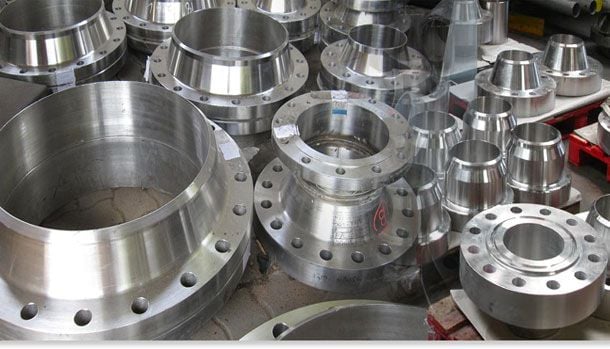
Industrial piping systems routinely operate under extreme heat and severe corrosive conditions. Conventional flange materials usually degrade or fail in these harsh environments. Standard steel simply cannot perform reliably over long periods here. Inconel 600 flanges are engineered specifically to withstand these demanding conditions. The material easily handles high thermal loads and aggressive chemical exposure without losing its basic structural integrity. This article directly explores the benefits of Inconel 600 flanges and the practical industrial uses of this specific nickel alloy in process plants today.
What Makes Inconel 600 Flanges Suitable for Demanding Industrial Environments?
Inconel 600 flanges maintain their physical strength and structural integrity under high temperatures. They perform well in corrosive conditions where other metals weaken rapidly. The high nickel content provides resistance to chemical attack in demanding process environments. The material resists oxidation and scaling even at elevated heat levels. These performance characteristics allow the flanges to function in continuous industrial service without frequent replacement. Plant operators specify this alloy to prevent sudden failures in critical pipelines. The metal structure remains stable during constant exposure to organic and inorganic compounds. Standard carbon steel flanges deform under these same conditions. The basic chemistry of this nickel chromium alloy prevents intergranular corrosion. Engineers rely on this material when designing systems for continuous harsh operations. The flanges hold their shape and sealing ability even when temperatures fluctuate daily. The material does not turn brittle after prolonged heat exposure. This basic reliability prevents hazardous chemical leaks.
Key Benefits of Inconel 600 Flanges
- Excellent resistance to high temperatures: The alloy retains its physical properties and mechanical stability in environments exceeding 1000 degrees Celsius constantly.
- Outstanding corrosion and oxidation resistance: High nickel and chromium levels protect the flanges from severe oxidation and aggressive chemical corrosion processes.
- High mechanical strength under thermal stress: These flanges do not deform or crack easily when subjected to heavy loads and massive thermal shocks.
- Resistance to scaling and thermal cycling: The material surface resists scale formation during repeated heating and cooling cycles in regular industrial operations.
- Long service life with reduced maintenance: Choosing this strong alloy minimizes the need for frequent repairs and part replacements in critical piping systems.
- Reliable performance in aggressive process environments: The metal withstands chloride ion stress corrosion cracking and handles alkaline solutions effectively without any structural degradation.
How These Benefits Improve Industrial Performance
These exact properties directly improve daily operations in heavy industrial facilities. Stronger flanges reduce equipment downtime because connecting parts do not fail unexpectedly during a production run. Plant managers see extended piping system life since the connections resist long term corrosion effectively. Operational safety improves heavily across the entire facility floor. Flange failures often lead to dangerous leaks in chemical plants. These flanges ensure reliable sealing under extreme conditions. High pressure and heat do not compromise the bolted joint integrity. Lower maintenance costs naturally follow this increased reliability. Facilities spend less money on labor and replacement parts over the lifespan of the equipment. The practical industrial advantages mean continuous production cycles without forced shutdowns or emergency repairs. The metal handles the workload so maintenance crews do not have to replace seals and joints constantly. The plant remains online and highly productive. Keeping the piping network sealed prevents environmental contamination issues. Operators can focus on production outputs rather than pipeline maintenance.
Industrial Applications of Inconel 600 Flanges
- Chemical processing plants: The material handles aggressive acids and alkaline solutions without corroding during continuous heavy chemical manufacturing processes.
- Petrochemical facilities: Refineries use these flanges because they withstand volatile chemicals and high processing temperatures safely every single day.
- Heat exchangers: The alloy transfers heat efficiently while resisting the massive thermal stress and scaling found in exchanger units.
- Power generation: Steam lines and large boiler systems utilize this metal to manage extreme pressure and constant high heat.
- Furnace systems: Industrial furnaces require these specific flanges for their ability to maintain strength in continuously heated environments safely.
- Marine applications: Saltwater environments cause severe pitting in standard metals but this alloy resists marine corrosion completely over time.
- Aerospace: Engine components and exhaust systems use the material to handle intense heat and rapid mechanical stress effectively.
- Oil & gas: Extraction processes involve sour gas and high pressure where only high strength nickel alloys perform securely.
Factors to Consider When Selecting Inconel 600 Flanges
You must evaluate the exact operating temperature of the pipeline before installation. Pressure rating is another basic requirement for any piping project. The flange thickness and class must match the system pressure to prevent blowouts during operation. Consider the specific corrosive media flowing through the pipes daily. The chemical composition dictates whether this specific alloy will survive the exposure limits. Flange type and size must align precisely with existing infrastructure. Buyers should verify all applicable ASTM and ASME standards for quality control before purchasing. Complete compatibility with the existing piping system material is required to avoid galvanic corrosion at the joints. Connecting mismatched metals causes rapid failure. The environment around the pipe also matters. Exterior moisture and ambient chemicals affect the outer surface of the flange just like the internal fluid. Proper selection requires checking all these variables.
Conclusion
Inconel 600 flanges deliver high structural stability in difficult industrial environments. The major benefits include resistance to extreme temperatures, heavy oxidation, and constant chemical exposure. They are a dependable choice for high temperature and corrosive industrial environments where standard steel components fail quickly. Plant operators rely on these exact parts to keep piping systems sealed and secure over many years. It is best to choose certified products from a trusted supplier for long term performance and safety. Proper material selection directly prevents leaks and costly production downtime in critical industrial applications. Investing in the correct alloy grade upfront saves massive repair costs later. Heavy industries require materials that function without constant monitoring. These flanges provide that basic operational security.