




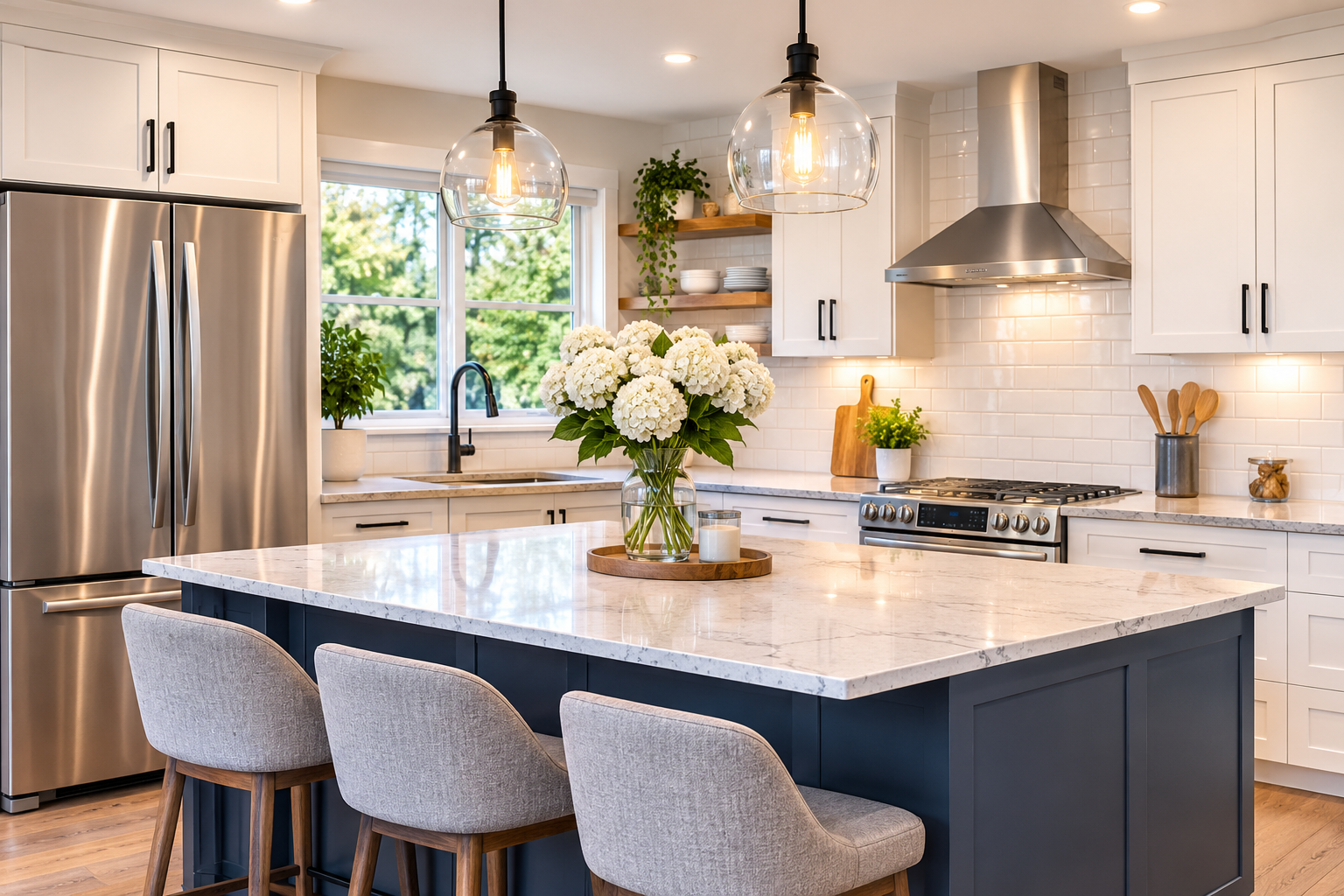
A kitchen should make everyday activities easier, from preparing meals and organizing groceries to spending time with family. However, an outdated layout, limited storage, poor lighting, and worn cabinets can make even a spacious kitchen difficult to use. These problems often develop gradually, making it challenging to recognize how much the space needs to change. A carefully planned renovation can address these issues while improving the appearance, comfort, and long-term functionality of the home.
Choosing the right kitchen renovation services is an important step toward creating a space that supports daily routines. Rather than focusing only on decorative upgrades, homeowners should consider how the kitchen functions, where improvements are needed, and which materials will provide lasting value.
1. Identify the Problems Before Choosing a Design
One of the most common renovation mistakes is selecting colours, countertops, and cabinet styles before understanding the existing kitchen’s limitations. A beautiful design may still feel inconvenient if the layout does not support everyday activities.
Start by identifying the areas that create the most frustration.
Common kitchen problems include:
-
Insufficient cabinet and pantry storage.
-
Limited countertop space for food preparation.
-
Poor lighting around cooking and cleaning areas.
-
Difficult-to-access corner cabinets.
-
Outdated cabinet doors and hardware.
-
Worn flooring and damaged surfaces.
-
Poor movement between the sink, refrigerator, and stove.
Creating a list of priorities helps establish a realistic renovation plan. It also makes it easier to decide which improvements are essential and which are optional.
2. Improve Kitchen Workflow With a Practical Layout
A functional kitchen depends on how easily people can move between important work areas. The sink, refrigerator, and cooking range should be positioned to support a comfortable workflow.
This concept is often associated with the kitchen work triangle. Although modern kitchens may have multiple preparation areas and larger appliances, the main principle remains useful: frequently used spaces should be easy to reach without unnecessary movement.
For smaller kitchens, a single-wall or galley layout may provide better space efficiency. Larger rooms may benefit from an L-shaped or U-shaped arrangement. An island can also create additional preparation space, provided there is enough clearance for comfortable movement.
Before changing the layout, consider plumbing, electrical connections, ventilation, and structural requirements. Keeping certain existing connections in place may help control renovation expenses.
3. Choose Cabinet Improvements That Increase Storage
Cabinetry has a major influence on both kitchen appearance and organization. However, replacing every cabinet is not always necessary.
If the existing cabinet boxes are structurally sound, refinishing, repainting, or replacing the doors may offer a practical alternative. These improvements can give an older kitchen a fresh appearance without requiring a complete cabinetry replacement.
For kitchens with storage limitations, consider features such as:
-
Pull-out pantry shelves.
-
Deep drawers for pots and pans.
-
Vertical dividers for baking trays.
-
Built-in organizers for utensils.
-
Corner storage solutions.
-
Soft-close hinges and drawer systems.
-
Adjustable shelving for different household items.
Thoughtful storage planning helps reduce countertop clutter and makes frequently used kitchen essentials easier to access.
4. Select Durable Materials for Everyday Use
Kitchen surfaces experience regular exposure to moisture, heat, spills, and frequent cleaning. Choosing materials based only on appearance can lead to unnecessary maintenance or early replacement.
Countertop materials should be selected according to their durability, maintenance requirements, and overall design compatibility.
Quartz is a popular option because it offers a consistent appearance and requires relatively little maintenance. Natural stone can provide distinctive patterns, although some surfaces require periodic sealing. Laminate countertops may suit homeowners looking for a more economical upgrade.
Cabinet finishes should also be considered carefully. Quality paint, durable hardware, and moisture-resistant materials can help maintain the kitchen’s appearance over time.
Flooring deserves equal attention. Porcelain tile, quality vinyl, and other suitable flooring materials can provide practical solutions for households that experience frequent spills and heavy foot traffic.
5. Make Better Use of Natural and Artificial Lighting
Poor lighting can make a kitchen feel smaller and less comfortable. It can also create difficulties when preparing food or cleaning surfaces.
A successful lighting plan usually includes several layers.
Ambient lighting: General ceiling fixtures provide overall illumination throughout the room.
Task lighting: Under-cabinet lights help illuminate countertops, making food preparation and cooking easier.
Accent lighting: Pendant lights, cabinet lighting, and decorative fixtures add visual interest and highlight selected design features.
Where possible, natural light should also be considered. Window placement, light window treatments, and reflective surfaces can help create a brighter atmosphere.
The goal is to achieve balanced lighting that supports everyday activities without making the kitchen feel harsh or overly bright.
6. Understand the Renovation Budget Before Starting
Kitchen renovation expenses can vary significantly depending on the room’s size, material choices, labour requirements, and project complexity.
A cosmetic refresh may involve repainting cabinets, updating hardware, improving lighting, and installing a new backsplash. A more extensive project could require new cabinetry, countertops, plumbing, electrical work, flooring, and layout changes.
Before work begins, divide the budget into major categories:
-
Cabinetry and storage improvements.
-
Countertops and backsplash materials.
-
Flooring and wall finishes.
-
Plumbing and electrical work.
-
Lighting and ventilation.
-
Labour and installation.
-
Additional funds for unexpected repairs.
It is sensible to maintain a contingency allowance because older kitchens may contain hidden moisture damage, outdated wiring, or plumbing concerns that become visible during renovation.
Obtaining detailed estimates and understanding what each quote includes can prevent misunderstandings and unexpected expenses.
7. Consider Design Choices That Suit Muskoka Homes
Homes throughout Muskoka often benefit from kitchen designs that balance natural character with modern convenience. A comfortable kitchen should complement the surrounding home rather than follow short-lived design trends.
Natural wood finishes, warm neutral colours, stone-inspired surfaces, and simple cabinet profiles can create a welcoming atmosphere. Large windows and thoughtful lighting can further connect indoor spaces with the surrounding natural environment.
For homeowners planning property improvements, Muskoka Kitchen Renewal can be a relevant consideration when exploring kitchen updates, cabinet improvements, and practical design solutions.
The most successful design is not necessarily the most expensive. It is the one that suits the home’s character, supports household needs, and remains attractive and functional over time.
8. Avoid Common Mistakes During Kitchen Renovation
Even a well-funded project can produce disappointing results if important planning details are overlooked.
Some common mistakes include:
-
Ignoring storage requirements when selecting cabinets.
-
Choosing materials without checking maintenance needs.
-
Installing an island without enough walking space.
-
Overlooking ventilation and electrical requirements.
-
Focusing on appearance instead of everyday functionality.
-
Starting construction without a clear project scope.
-
Selecting fixtures and appliances before confirming measurements.
Working with experienced renovation professionals can help identify these concerns before installation begins. Proper measurements, material planning, and coordination between trades are essential for a smoother project.
9. When Is the Right Time to Renovate a Kitchen?
A kitchen does not need to be completely outdated before improvements become worthwhile. Certain warning signs indicate that an upgrade may be beneficial.
Damaged cabinet surfaces, persistent storage problems, deteriorating countertops, poor lighting, and inefficient layouts can all affect daily comfort. Water damage, electrical concerns, or ventilation problems should receive particular attention because they may affect household safety and the condition of the property.
Addressing these issues early can help prevent minor problems from becoming more expensive repairs.
Final Thoughts
A successful kitchen renovation should solve practical problems while creating a comfortable and attractive space. Better storage, an efficient layout, durable materials, appropriate lighting, and realistic budgeting all contribute to a result that supports everyday living.
Choosing suitable kitchen renovation services starts with understanding what the existing space lacks and deciding which improvements will make the greatest difference. With thoughtful planning and quality workmanship, homeowners can create a kitchen that feels more organized, functions better, and complements the character of their home for years to come.