






Healthy, youthful-looking skin can make a significant difference in how you feel about your appearance. However, everyday factors such as sun exposure, aging, environmental pollution, and acne can gradually affect skin texture and tone. Fine lines, wrinkles, acne scars, enlarged pores, and uneven pigmentation are common concerns that may not improve with regular skincare products alone. Fortunately, modern cosmetic treatments offer effective ways to address these issues.
One popular option is laser skin resurfacing in Boynton Beach, a treatment designed to improve skin quality by targeting damaged outer layers and stimulating natural collagen production. Depending on the laser technology used, the procedure can help reduce visible imperfections while encouraging smoother, firmer, and more refreshed-looking skin.
Understanding how laser skin resurfacing works, what benefits it offers, and what results to expect can help you make an informed decision. Whether you want to minimize signs of aging or improve acne-related skin concerns, learning about this treatment is a helpful first step.
What Is Laser Skin Resurfacing?
Laser skin resurfacing is a cosmetic procedure that uses concentrated light energy to improve the appearance and texture of the skin. The treatment works by removing damaged skin cells, heating deeper tissues, or combining both approaches to encourage natural skin renewal. As the skin heals, collagen production increases, supporting a smoother and more even complexion.
There are two primary categories of laser resurfacing: ablative and non-ablative. Ablative lasers remove thin layers of damaged skin and are generally used for more noticeable concerns, including deeper wrinkles and certain scars. Non-ablative lasers work beneath the skin’s surface without removing the outer layer, making them suitable for individuals seeking gradual improvements with less downtime.
The most appropriate option depends on your skin type, concerns, treatment goals, and recovery preferences. A qualified skincare professional can evaluate your needs and recommend a suitable approach.
Key Benefits of Laser Skin Resurfacing Boynton Beach
Choosing the best laser skin resurfacing in Boynton Beach can offer several cosmetic benefits for people who want to improve their overall skin appearance. One major advantage is its ability to address multiple concerns through a personalized treatment approach.
The procedure can help soften fine lines, reduce the appearance of certain acne scars, improve uneven pigmentation, and refine rough skin texture. It may also minimize the appearance of enlarged pores and sun-related skin damage. Another important benefit is collagen stimulation, which supports the skin’s natural firmness and elasticity.
Unlike topical skincare products that mainly work on the surface, certain laser treatments reach deeper skin layers. This allows providers to target specific concerns more effectively.
Results vary depending on the technology used, individual skin characteristics, and treatment intensity. Some people notice improvements after one session, while others benefit from multiple treatments.
Skin Concerns That Laser Resurfacing Can Address
Laser resurfacing is a versatile treatment that may help improve several common skin concerns. Understanding what it can address helps determine whether it aligns with your cosmetic goals.
Fine Lines and Wrinkles
Collagen naturally decreases with age, contributing to wrinkles and reduced skin elasticity. Certain laser treatments stimulate collagen remodeling, which can gradually soften fine lines and improve skin texture.
Acne Scars
Acne can leave behind uneven skin texture and visible scarring. Laser resurfacing may help reduce the appearance of selected acne scars by encouraging skin renewal and collagen production.
Sun Damage and Uneven Pigmentation
Years of sun exposure can contribute to dark spots, discoloration, and uneven skin tone. Depending on the type of pigmentation and laser selected, treatment may improve the appearance of sun-related damage.
Rough Texture and Enlarged Pores
Laser treatments can encourage smoother skin by improving surface texture and supporting natural renewal. However, results depend on the underlying cause of the concern and the treatment approach.
What to Expect During a Laser Skin Resurfacing Treatment
Knowing what happens during treatment can make the experience more comfortable and less intimidating. The process generally begins with a consultation, during which the provider examines your skin, reviews your medical history, and discusses your expectations.
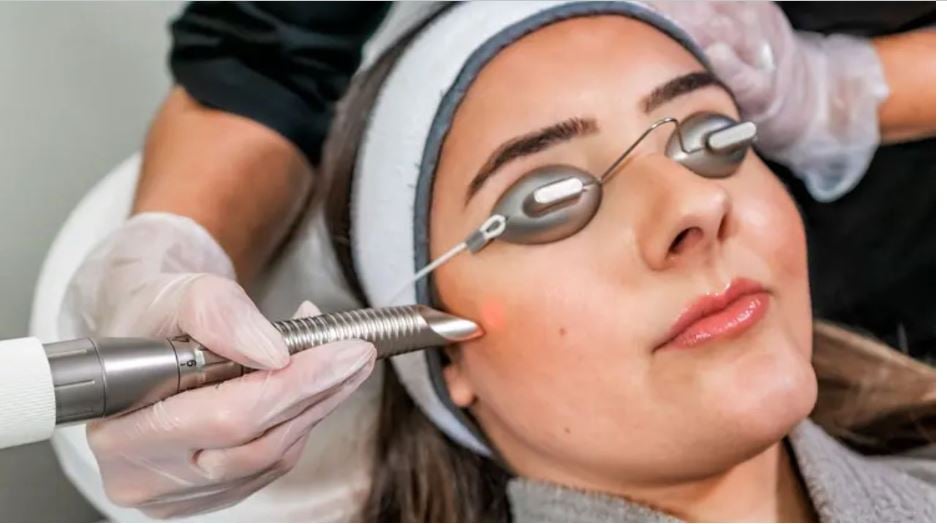
Before the procedure, the treatment area is cleansed. Depending on the laser type and intensity, a topical numbing cream or another comfort measure may be used. Protective eyewear is provided to safeguard your eyes from laser energy.
During treatment, the provider moves the laser device across the targeted area. You may experience warmth, mild stinging, or a snapping sensation. Treatment duration varies depending on the size of the area and the technology being used.
Afterward, temporary redness, swelling, sensitivity, or peeling may occur. These effects are generally part of the healing process, although recovery time differs between treatments.
Recovery and Aftercare Tips for Better Results
Proper aftercare is essential for supporting healthy recovery and achieving the best possible outcome. Your provider will give you instructions based on the laser technology used and your skin’s response.
Keep the treated area clean and follow the recommended moisturizing routine. Avoid picking, scratching, or peeling flaking skin because doing so can interfere with healing and increase the risk of scarring or discoloration.
Sun protection is particularly important after resurfacing. Freshly treated skin can be more sensitive to ultraviolet exposure, so follow your provider’s recommendations regarding sunscreen, protective clothing, and avoiding direct sunlight.
You may also need to temporarily avoid exfoliating products, retinoids, harsh cleansers, and other potentially irritating ingredients. Do not restart these products until your provider confirms that your skin has recovered sufficiently.
Following aftercare instructions carefully can help minimize complications and support more consistent results.
How Long Does It Take to See Results?
The timeline for seeing improvements depends on the type of laser treatment, the severity of your skin concerns, and your body’s healing response. Some individuals notice smoother skin once the initial healing period is complete. However, improvements related to collagen production often develop gradually over several weeks or months.
Ablative treatments may provide more noticeable changes but generally involve a longer recovery period. Non-ablative options typically require less downtime, although multiple sessions may be recommended to achieve the desired outcome.
It is also important to understand that laser resurfacing does not stop the natural aging process. Results can vary, and maintenance treatments may be appropriate for some individuals.
For realistic expectations, discuss your goals with an experienced provider before beginning treatment. Reviewing your skin condition, treatment options, and expected recovery timeline can help you plan accordingly.
Is Laser Skin Resurfacing Right for You?
Laser skin resurfacing may be suitable for adults who want to improve wrinkles, acne scars, pigmentation, or uneven skin texture. However, not everyone is an ideal candidate for every type of laser treatment.
Factors such as skin tone, sensitivity, active acne, recent tanning, existing skin conditions, and a history of scarring can influence treatment selection. Some lasers carry a higher risk of pigmentation changes in darker skin tones, making professional assessment especially important.
During a consultation, ask about the provider’s experience with your skin type, available laser technologies, potential side effects, and expected results. Also discuss medications and skincare products you currently use.
A qualified professional should explain both the benefits and limitations of treatment rather than promise perfect results. Choosing an appropriate procedure based on your individual needs is essential for a safe and satisfying experience.
Conclusion
Improving skin texture, reducing visible signs of aging, and addressing acne scars can help you feel more confident about your appearance. Laser skin resurfacing offers a modern approach to treating several common skin concerns by supporting skin renewal and collagen production.
With laser skin resurfacing in Boynton Beach, individuals can explore treatment options designed around their unique skin conditions and cosmetic goals. The key is choosing an appropriate laser technology, working with a qualified provider, and following recommended aftercare instructions. A professional consultation can help you understand your options and determine whether this treatment is the right step toward healthier-looking, smoother skin.
Frequently Asked Questions
1. Is laser skin resurfacing painful?
Most patients experience some warmth, tingling, or mild discomfort during treatment. Depending on the laser type and intensity, numbing cream or other comfort measures may be used to make the procedure more manageable.
2. How many laser resurfacing sessions are needed?
The number of sessions depends on your skin condition, treatment goals, and the laser technology selected. Some people achieve their desired improvements with one session, while others may require multiple treatments.
3. Can laser skin resurfacing help with acne scars?
Yes, certain laser resurfacing treatments can improve the appearance of acne scars by encouraging collagen production and skin renewal. However, results depend on the type and severity of scarring.
4. How long is the recovery period?
Recovery varies according to the procedure. Non-ablative treatments may involve minimal downtime, while ablative resurfacing can require several days or weeks of healing. Your provider can explain the expected recovery timeline.
5. Are laser skin resurfacing results permanent?
Results can last for an extended period, but they do not stop natural aging or prevent future sun damage. Proper skincare, sun protection, and recommended maintenance treatments can help preserve improvements.