






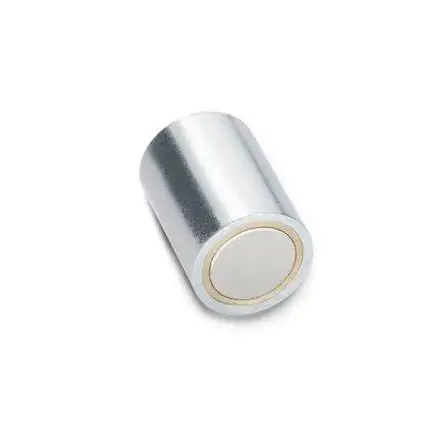
Reliable component positioning is essential in manufacturing, automation, and equipment assembly. When parts need to stay securely in place without permanent fastening, magnetic holding systems offer a practical solution. Retaining magnets are designed to hold, position, or secure ferromagnetic components through magnetic attraction, making them useful in applications where conventional screws, clamps, or mechanical fasteners may be inconvenient.
These components are available in different shapes, materials, and holding strengths to accommodate specific operating conditions. From securing machine covers to organizing cables and positioning workpieces, the right magnet can simplify equipment design and improve workflow efficiency. Understanding how retaining magnets work, where they are used, and which specifications matter helps engineers and purchasing teams make informed decisions.
What Are Retaining Magnets and How Do They Work?
Retaining magnets are permanent magnetic components designed to hold objects against compatible metal surfaces. Unlike temporary adhesives, they provide holding force through a magnetic field and can generally be removed or repositioned without damaging the mounting surface.
Many industrial retaining magnets use a steel or brass housing that helps concentrate magnetic flux toward the contact surface. This design directs much of the magnetic attraction toward the object being held while limiting the magnetic field around other areas.
Their holding performance depends on several factors, including magnet material, contact area, surface condition, air gaps, and the thickness and type of the attracted metal. A magnet may have a published holding-force rating, but actual performance can differ when used in real operating conditions.
Common Types of Retaining Magnets
Different magnet designs address different installation requirements. Selecting the appropriate shape and material is important for achieving dependable performance.
1. Flat Retaining Magnets
Flat retaining magnets have a compact profile and are useful when installation space is limited. They are commonly used to hold removable panels, machine covers, signs, and small components against metal surfaces.
Some models include threaded inserts or specialized housings that make integration into equipment easier. Their low-profile design is particularly helpful when a protruding fastening component would interfere with nearby machinery.
2. Cylindrical Retaining Magnets
Cylindrical magnets provide focused magnetic attraction within a compact housing. Depending on the design, they may feature threaded holes, threaded studs, or smooth mounting surfaces.
These magnets are frequently used in fixtures, assembly equipment, and machinery where a defined mounting point is needed. Their shape also makes them suitable for applications requiring consistent positioning.
3. U-Shaped Magnets
U-shaped magnets use a design that directs magnetic attraction toward two pole surfaces. They can be useful in specialized holding and positioning arrangements where the shape of the workpiece or mounting surface suits this configuration.
4. Cable-Retaining Magnets
Cable-retaining magnets combine magnetic mounting with a bracket or support that helps organize wires, cables, and conduits. Some designs include a non-slip surface to improve resistance to sideways movement and protect sensitive equipment finishes.
They are particularly useful when cable routes need to be adjusted without drilling additional mounting holes.
Benefits of Using Retaining Magnets in Industrial Settings
Retaining magnets offer several practical advantages when selected for suitable applications.
Non-permanent fastening: Components can be removed or repositioned without repeatedly drilling holes or changing mechanical fasteners.
Faster installation: Magnetic attachment can simplify positioning tasks and reduce the time required to secure certain components.
Flexible equipment design: Magnets can support removable covers, temporary fixtures, and adjustable arrangements where permanent fastening is unnecessary.
Surface protection: Certain designs include protective coatings or housings that help reduce scratching on finished metal surfaces.
Compact construction: Shielded magnetic systems can deliver useful holding force without requiring a large installation footprint.
Reduced hardware requirements: In appropriate applications, magnets can replace separate catches, clips, or similar fastening components.
These benefits are most valuable when the application requires convenient access, repeatable positioning, or frequent removal of supported components.
Industrial Applications of Retaining Magnets
Retaining magnets are used across industries because they provide a simple way to secure components without permanent mechanical connections.
Manufacturing and Assembly
Production environments often require components, guides, and fixtures to remain correctly positioned during assembly. Retaining magnets can help hold suitable metal workpieces or removable positioning elements in place.
For example, a manufacturer may use magnetic fixtures to keep a small metal component aligned during a repetitive assembly task. The magnet provides temporary retention while allowing the component to be removed when the operation is complete.
Industrial Automation
Automated equipment frequently includes access panels, guards, sensors, and removable covers. Magnetic holding systems can help secure compatible components while allowing technicians to access equipment for inspection or maintenance.
The magnet’s holding strength and operating-temperature rating must match the machinery’s environment and expected movement.
Electrical and Control Equipment
Control cabinets and industrial enclosures may use magnets to retain removable covers or access components. Cable-retaining magnets can also help keep wiring organized along suitable metal surfaces.
Organized cable routing can make equipment easier to inspect and maintain, although magnets should be positioned so they do not interfere with sensitive electronic components.
Medical and Laboratory Equipment
Certain non-invasive equipment assemblies use magnetic retention to support removable components or accessories. In these environments, material compatibility, cleaning requirements, and equipment-specific safety standards are especially important.
The magnet must be suitable for the intended environment rather than selected solely on the basis of holding force.
Packaging and Material Handling
Packaging machinery may use retaining magnets to position removable guides, covers, and other compatible components. Their ability to provide repeatable positioning can help simplify adjustments during production changes.
How to Choose the Right Retaining Magnet
Selecting a magnet involves more than comparing product dimensions or maximum holding-force ratings. A systematic evaluation helps prevent poor performance after installation.
1. Determine the Required Holding Force
Identify the weight of the supported component and the forces it may experience during normal operation. Consider vibration, movement, accidental contact, and the direction in which the load acts.
A magnet’s pull rating is commonly measured under controlled conditions. It should not automatically be treated as its safe working capacity in every application.
2. Select the Appropriate Magnet Material
Common materials include hard ferrite, aluminum-nickel-cobalt (AlNiCo), samarium cobalt, and neodymium-iron-boron (NdFeB).
Each has different magnetic, thermal, and corrosion characteristics. Neodymium magnets offer high magnetic strength in compact sizes, while AlNiCo is suitable for certain higher-temperature applications. Hard ferrite can be a practical choice where cost and corrosion resistance are important.
3. Check Temperature and Environmental Conditions
Operating temperature can affect magnetic performance. Exposure to moisture, chemicals, dust, or corrosive conditions may also influence the suitability of a particular housing or magnet material.
Always compare the manufacturer’s operating limits with the actual conditions of the installation.
4. Review Mounting and Surface Compatibility
Check whether the magnet requires a threaded hole, stud, adhesive attachment, or another mounting arrangement. Also consider the material and thickness of the surface it will attract.
Paint, coatings, uneven surfaces, and small air gaps can reduce holding force. These details should be assessed before finalizing a design.
Common Mistakes and Challenges to Avoid
One frequent mistake is choosing a magnet based only on its advertised pull force. Real-world performance can be lower because of surface gaps, material differences, and sideways loading.
Another challenge is overlooking temperature limitations. A magnet that performs well in a standard workshop may not be suitable near heat-generating equipment.
Incorrect mounting can also reduce effectiveness. For example, placing certain magnetic systems directly against steel components can alter their magnetic circuit and lower their holding performance.
Finally, magnets should not be treated as universal replacements for mechanical fasteners. Applications involving critical safety guards, heavy suspended loads, or significant dynamic forces may require engineered mechanical retention and independent safety measures.
Practical Recommendations for Reliable Performance
Before purchasing, document the operating temperature, expected load, surface material, available mounting space, and frequency of removal. Use these requirements to compare technical specifications rather than relying on appearance or size.
Whenever possible, evaluate the selected magnet under representative operating conditions. Check whether it remains secure during normal movement and whether removal is practical for maintenance staff.
Follow manufacturer handling guidance as well. Strong magnets can attract suddenly, creating pinch hazards, and some magnetic fields may interfere with sensitive electronic equipment or medical devices. Keep suitable precautions in place during storage, installation, and maintenance.
Conclusion
Retaining magnets provide a flexible and efficient way to secure, position, and organize compatible industrial components. Flat, cylindrical, U-shaped, and cable-retaining designs serve different purposes across manufacturing, automation, control equipment, and other applications. By considering holding force, magnet material, temperature, mounting requirements, and environmental conditions, engineers can select a solution that supports dependable performance. The best choice is always the one matched carefully to the actual demands of the application.