





In today’s industrial and manufacturing environments, choosing the right sealing material is essential for maintaining equipment efficiency, preventing leakage, and ensuring reliable performance. Rubber sealing products are widely used in machinery, automotive equipment, food processing systems, electrical applications, and many other industries. Among these materials, silicone rubber cord stands out because of its flexibility, temperature resistance, and versatility.
Silicone rubber cord is a flexible elastomeric product available in different diameters, lengths, colors, and grades. It is commonly used to manufacture custom seals, gaskets, and sealing rings for applications that require reliable performance under changing temperature conditions. Depending on the specific formulation, silicone rubber can retain its flexibility in both hot and cold environments, making it a valuable material for many industrial requirements.
Businesses looking for effective sealing solutions should understand the properties, applications, and selection criteria associated with silicone rubber cord. Choosing the right material can help improve equipment performance, reduce maintenance requirements, and support long-term operational efficiency.
What Is Silicone Rubber Cord?
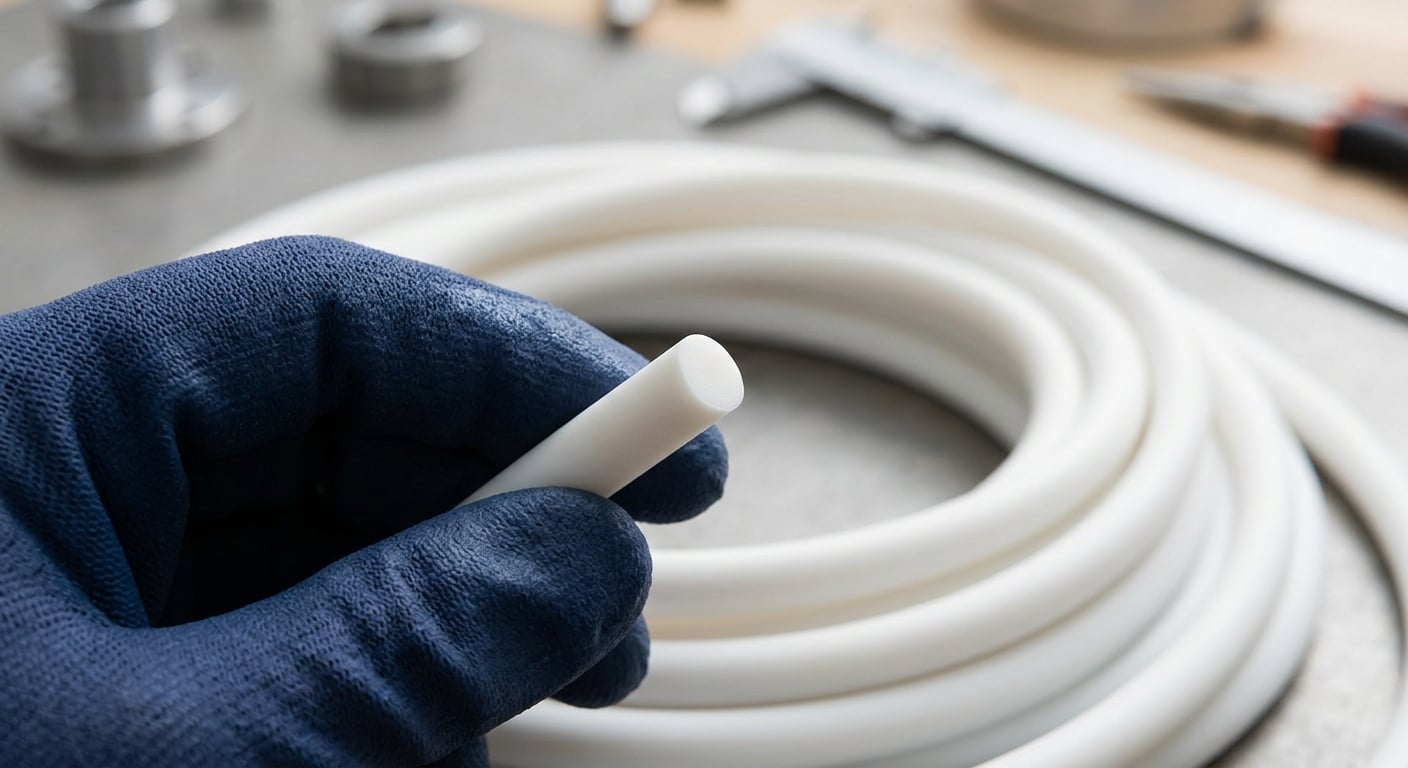
Silicone rubber cord is a flexible, continuous length of silicone elastomer manufactured in a round or other specified cross-sectional shape. It is commonly supplied in coils or cut lengths, allowing customers to select the dimensions required for their applications.
Unlike preformed O-rings, which are manufactured in fixed circular sizes, silicone rubber cord can be cut to a required length for suitable custom sealing applications. Depending on the design, the ends may be joined to create a circular seal.
Silicone rubber is valued for its temperature stability, flexibility, and resistance to weathering and ozone. Certain grades are also available for specialized applications involving food contact or electrical insulation, subject to the relevant certifications and requirements.
The performance of silicone rubber cord depends on factors such as the formulation, hardness, diameter, compression, and operating environment. Therefore, choosing a product based on its specific technical properties is important.
Key Properties of Silicone Rubber Cord:
Silicone rubber cord offers several useful characteristics that make it suitable for a wide range of industrial applications.
1. Excellent Temperature Resistance:
One of the main advantages of silicone rubber is its ability to perform across a broad temperature range. Many standard silicone compounds can operate at temperatures substantially below freezing and at elevated temperatures, although the exact limits vary by grade.
This characteristic makes silicone rubber cord useful in equipment exposed to temperature fluctuations, heating systems, selected industrial machinery, and applications where ordinary rubber materials may lose flexibility.
Before selecting a cord, buyers should check the manufacturer’s specified continuous and intermittent operating temperature limits.
2. Flexibility and Elasticity:
Silicone rubber remains flexible under many operating conditions. This flexibility helps the material conform to suitable sealing surfaces when correctly designed and compressed.
Its elastic properties can make it useful for custom seals, cushioning components, and applications where repeated assembly or disassembly is required.
However, compression set and recovery characteristics vary between silicone formulations, so the product should be selected according to the application.
3. Resistance to Weathering and Ozone:
Outdoor equipment may be exposed to sunlight, moisture, ozone, and changing environmental conditions. Silicone rubber generally offers good resistance to weathering and ozone, which can help maintain its properties during outdoor use.
This makes silicone rubber cord suitable for selected applications in outdoor equipment, enclosures, and environmental sealing systems.
4. Electrical Insulation Properties:
Silicone rubber is commonly used in electrical and electronic applications because many formulations provide useful electrical insulation properties.
Depending on the grade and design, silicone materials may be used in protective components, enclosures, and selected electrical equipment.
For electrical applications, buyers should confirm the required voltage rating, insulation characteristics, flame performance, and relevant safety standards.
5. Availability in Different Sizes and Hardness Levels:
Silicone rubber cord is available in a range of diameters, colors, and hardness levels. This variety allows manufacturers and maintenance professionals to select products suited to specific dimensional and mechanical requirements.
Selecting the correct diameter and hardness is particularly important when the cord is used as a sealing component.
Common Applications of Silicone Rubber Cord:
Silicone rubber cord is used across many industries because of its flexibility and temperature performance.
Industrial Machinery:
Industrial machinery often operates under changing temperatures and demanding conditions. Silicone rubber cord can be used in selected sealing arrangements, protective components, and custom gaskets.
Manufacturing facilities may use it for equipment covers, access panels, and other assemblies where an appropriate silicone grade meets the operating requirements.
Food Processing Equipment:
Food processing operations require sealing materials that meet strict hygiene and safety requirements. Certain silicone rubber compounds are manufactured for food-contact applications.
These products may be suitable for selected processing equipment, containers, and machinery when the material has the necessary regulatory compliance and certification.
Not every silicone cord is suitable for food contact. Buyers should verify the relevant approvals and ensure the material is appropriate for the intended cleaning agents, temperatures, and contact conditions.
Automotive Applications:
Silicone rubber is used in various automotive components because of its temperature resistance and flexibility. Depending on the formulation, it may be used in selected seals, protective components, and specialized assemblies.
However, silicone rubber is not universally compatible with fuels, petroleum-based oils, or all automotive fluids. Applications involving these substances require careful material selection.
Electrical and Electronic Equipment:
Electrical systems may require insulating and protective materials that can withstand temperature variations and environmental exposure.
Silicone rubber cord can be used in selected electrical enclosures, protective seals, and specialized equipment where its electrical and mechanical properties meet the design requirements.
HVAC Systems:
Heating, ventilation, and air-conditioning systems contain components exposed to temperature changes, moisture, and environmental conditions.
Silicone rubber cord may be used in appropriate sealing applications involving equipment panels, covers, and selected assemblies. The material must be compatible with the system’s operating fluids and temperature range.
Medical and Laboratory Equipment:
Certain specialized silicone materials are used in medical devices, laboratory equipment, and related applications because of their flexibility and availability in controlled formulations.
For these applications, the product must meet the relevant biocompatibility, cleanliness, and regulatory requirements. General-purpose silicone cord should not be assumed suitable for medical use.
Benefits of Using Silicone Rubber Cord:
Selecting the right silicone rubber cord can provide several benefits for industrial users.
Reliable Temperature Performance:
Silicone rubber is often chosen for applications involving substantial temperature fluctuations. Its ability to retain useful flexibility under suitable conditions can help support consistent performance.
Long-Term Environmental Stability:
Its resistance to ozone and weathering can make silicone a practical option for certain outdoor and exposed applications.
Flexible Customization:
Because it is available in different diameters and lengths, silicone rubber cord can support custom sealing designs and specialized manufacturing requirements.
Reduced Maintenance Requirements:
When correctly selected and installed, silicone rubber cord can help provide dependable service. Proper material selection may reduce premature replacement caused by unsuitable temperature or environmental exposure.
Wide Range of Industrial Uses:
From machinery and electrical equipment to selected food-processing applications, silicone rubber cord can serve different purposes when the material grade matches the operating requirements.
How to Choose the Right Silicone Rubber Cord:
Selecting silicone rubber cord requires careful evaluation of the application. Businesses should consider several factors before purchasing a product.
Determine the Correct Diameter:
The diameter of the cord must match the design requirements. An incorrectly sized cord may not provide the necessary compression or may fail to fit properly into the intended groove.
Measure the existing component or consult the equipment drawings before ordering a replacement.
Select the Appropriate Hardness:
Silicone rubber cord is available in different hardness levels. Softer materials may provide greater conformability in some applications, while harder materials may be preferred for other mechanical requirements.
The correct hardness depends on the groove design, compression, operating pressure, and required sealing performance.
Check Temperature Requirements:
Identify the minimum and maximum operating temperatures, including short-term temperature peaks. Confirm that the chosen silicone compound is rated for those conditions.
Repeated exposure to temperatures outside the recommended range can reduce service life.
Evaluate Chemical Compatibility:
Although silicone rubber offers useful resistance to many environmental conditions, it is not suitable for every fluid or chemical. Some oils, fuels, solvents, and cleaning agents can cause swelling or deterioration.
Always consult the manufacturer’s chemical compatibility information before using silicone rubber cord in fluid-contact applications.
Consider the Application Environment:
Determine whether the cord will be used indoors, outdoors, in a humid environment, or in equipment exposed to cleaning processes.
For specialized applications, check whether additional requirements apply, such as food-contact certification, electrical insulation standards, or regulatory approvals.
Silicone Rubber Cord Compared With Other Rubber Materials:
Different elastomers provide different performance characteristics. Understanding these differences helps buyers select an appropriate material.
Silicone Rubber Cord vs. EPDM Cord:
EPDM offers strong resistance to weathering, water, ozone, and many outdoor environmental conditions. It is often used in water systems and outdoor sealing applications.
Silicone rubber is frequently selected when a broad operating temperature range and flexibility are important. The choice depends on temperature, chemical exposure, mechanical requirements, and cost.
Silicone Rubber Cord vs. NBR Cord:
NBR is commonly used in applications involving petroleum-based oils and fuels. It is frequently found in hydraulic systems, automotive equipment, and industrial machinery.
Silicone rubber generally provides better performance across a broad temperature range but is usually not the first choice for many oil- and fuel-contact applications.
Silicone Rubber Cord vs. Viton or FKM Cord:
FKM is known for its resistance to many oils, fuels, chemicals, and elevated temperatures. It is often used in demanding industrial sealing applications.
Silicone rubber may be preferable where flexibility at low temperatures or resistance to weathering is a priority. FKM may be more appropriate for applications involving certain aggressive fluids.
The correct material should always be chosen according to the specific operating conditions rather than general assumptions.
Importance of Quality When Purchasing Silicone Rubber Cord:
Product quality has a direct influence on sealing performance and service life. Buyers should look for consistent dimensions, clearly specified material properties, and reliable product documentation.
Important purchasing considerations include:
-
Diameter and dimensional tolerances.
-
Material formulation and hardness.
-
Recommended operating temperature range.
-
Compression and recovery characteristics.
-
Chemical compatibility.
-
Applicable certifications and technical documentation.
-
Manufacturer information and traceability.
For specialized applications, buyers should request technical data from the supplier and confirm that the product meets the relevant equipment specifications.
Selecting a suitable grade from a dependable supplier can help reduce the risk of premature seal failure and unnecessary maintenance expenses.
Storage and Handling of Silicone Rubber Cord:
Proper storage helps maintain the condition of silicone rubber cord before use. The material should generally be stored in a clean environment away from direct sunlight, excessive heat, damaging chemicals, and contaminants.
Avoid crushing or sharply bending the cord during storage. Keep it protected from dirt and inspect it before installation.
For businesses maintaining several sizes, labeled packaging and organized storage can simplify inventory management and reduce the risk of using an incorrect product.
Always follow the manufacturer’s recommended storage conditions, especially for specialized or certified silicone compounds.
Installation and Maintenance Best Practices:
Correct installation is essential for achieving reliable performance from silicone rubber cord.
Before installation, clean the groove and mating surfaces thoroughly. Remove dust, debris, sharp edges, and contaminants that may damage the material.
If the cord is being converted into a circular seal, its length and joint must be prepared according to the sealing design. An improperly formed joint can become a weak point and may cause leakage.
Use a compatible assembly lubricant when recommended, and avoid unnecessary stretching or twisting during installation.
After installation, inspect the component to ensure that the cord is positioned correctly and compressed as intended. Regular maintenance inspections can help identify cuts, cracks, deformation, hardening, or other signs of deterioration.
Replacing damaged seals promptly can help protect equipment and prevent avoidable interruptions.
Why Work With a Reliable Silicone Rubber Cord Supplier?
Choosing a knowledgeable supplier can simplify the process of finding the right sealing material. A reliable supplier should offer clear product specifications, a suitable range of sizes, and information about material grades and intended applications.
Before purchasing, customers should explain the required diameter, operating temperature, exposure to chemicals, and purpose of the cord. For specialized requirements, they should also identify any certification or compliance standards that apply.
Comparing technical specifications is more useful than choosing solely on price. A product that meets the actual operating requirements may provide better long-term value by reducing premature replacement and maintenance work.
Businesses with recurring requirements may also benefit from maintaining consistent product specifications across repeat orders.
The Role of Silicone Rubber Cord in Modern Industry:
As manufacturing technologies continue to develop, businesses require materials that can support increasingly varied operating conditions. Sealing components play an important role in protecting equipment, maintaining cleanliness, and helping prevent unwanted leakage.
Silicone rubber cord provides a flexible option for applications that benefit from temperature stability, weather resistance, and customizable dimensions.
Its use across industrial machinery, electrical equipment, selected automotive components, HVAC systems, and specialized processing environments demonstrates its versatility. Nevertheless, each application requires careful evaluation of the material’s technical limitations.
By selecting the correct formulation and following appropriate installation and maintenance practices, businesses can use silicone rubber cord effectively as part of their overall equipment and sealing strategy.
Conclusion:
Silicone rubber cord is a versatile material for sealing and industrial applications where flexibility, temperature performance, and environmental resistance are important. Its availability in various diameters and hardness levels makes it suitable for many custom sealing designs and specialized equipment requirements.
When selecting silicone rubber cord, businesses should consider size, hardness, temperature range, chemical compatibility, and any necessary certifications. Working with a reliable supplier and following proper storage and installation practices can help improve performance and reduce unnecessary maintenance.
With the right material and application-specific approach, silicone rubber cord can support reliable equipment operation and provide practical sealing solutions across a wide range of industries.