




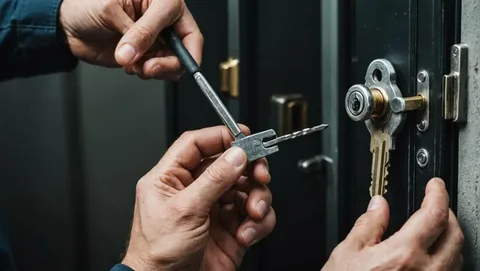
A sliding door lock can wear out long before the rest of the door needs replacement. If the lock is damaged, keeps failing, or no longer provides the access control you need, sliding door lock replacement may be a practical solution.
However, choosing a new lock is not simply a matter of finding one that looks similar. The door design, existing hardware, and available mounting space all matter.
Check Why the Existing Lock Needs Replacing
Start by identifying the reason for the replacement.
The lock may need attention because:
- The key no longer works properly
- The latch is damaged
- The lock body is cracked
- The mechanism repeatedly jams
- The hardware has become loose
- The door cannot remain securely locked
- Replacement parts are no longer available
Understanding the original problem helps determine what type of replacement is actually needed.
Measure the Existing Hardware
Before selecting a new lock, check the dimensions of the current hardware.
Important measurements may include the lock body, mounting holes, latch position, and distance between relevant fixing points.
A replacement that is slightly different can create fitting problems.
This is especially important when the lock is installed into an aluminium or glass sliding-door system where available space may be limited.
Consider the Door Material
The door material can affect which locking hardware is suitable.
Aluminium sliding doors often use locks designed for specific profiles.
Glass doors may require different mounting solutions, while some wooden sliding doors can accommodate other types of hardware.
Do not assume that one lock will work across every sliding-door design.
The replacement needs to suit both the door and the existing frame.
Check the Locking Direction
Sliding doors do not all operate in the same direction.
The position of the latch and the direction in which the door closes can affect compatibility.
Before ordering a replacement, check which side the lock is installed on and where the receiving point is located.
This simple detail can prevent buying hardware that cannot engage correctly.
Look at the Strike or Receiving Point
The lock is only one part of the system.
The latch also needs to meet a suitable receiving point on the frame or fixed section of the door.
If the existing strike is damaged or poorly positioned, installing a new lock alone may not solve the problem.
Inspect both components before deciding what should be replaced.
Think About How the Door Is Used
A sliding door leading to a bedroom may have different requirements from one opening onto a balcony or exterior area.
Consider who uses the door and how frequently it is opened.
You may want a simple locking mechanism for an internal door, while an exterior entrance may require a more robust setup.
The purpose of the door should guide the choice of hardware.
Do Not Choose Only by Appearance
Two sliding door locks can look almost identical while having different dimensions or mechanisms.
Appearance is useful when matching the existing door, but compatibility should come first.
Check the specifications and mounting arrangement before purchasing replacement hardware.
If you are unsure, having the existing lock inspected can save the trouble of buying an unsuitable part.
Consider Whether the Lock or Door Needs Attention
Sometimes a failed lock is actually a symptom of another problem.
A warped frame, loose hardware, or poorly positioned door can place additional pressure on the locking mechanism.
Replacing the lock without addressing the underlying issue may lead to another failure.
Inspect the door movement and alignment as part of the replacement process.
When Repair May Still Make Sense
Replacement is not always necessary.
If the lock body is intact and the problem involves a small replaceable component, repair may be possible.
For example, a worn latch or loose fixing may not justify replacing the complete mechanism.
On the other hand, badly damaged or repeatedly failing hardware may be more practical to replace.
The condition of the existing lock should determine the approach.
Get Professional Help With Difficult Installations
Sliding-door hardware can be awkward to access, particularly when the lock is integrated into the door profile.
Incorrect drilling or modification can damage the door and make future repairs more difficult.
If the replacement requires changes to the door or frame, professional assistance can help ensure the new hardware is fitted correctly.
For general lock problems, lock repair services in Dubai can also be considered when you need help assessing the existing mechanism.
Test the New Lock Carefully
After installation, test the door several times.
Slide the door closed and check whether the latch enters the receiving point correctly.
Lock and unlock the mechanism without excessive force.
Then gently pull the door to confirm that it remains secured.
Also check the key from each applicable side and make sure the handle does not interfere with the locking mechanism.
Final Thoughts
Choosing a new sliding door lock requires more than matching the appearance of the old hardware.
Check the door material, lock dimensions, latch position, strike area, opening direction, and overall condition of the door before buying replacement hardware.
If the existing mechanism is badly damaged or no longer suitable, sliding door lock replacement can restore reliable operation.
For other doors that use aluminium-specific hardware, aluminium door lock options can also be considered when the replacement needs to match the existing door profile.