





Most people have seen a pile of crushed cars from the highway and wondered what actually goes on behind the fence. For an owner with an old car that no longer runs, that question becomes real. You may be asking what the yard will do with it, how much you will get and what you need to do first.
If you are weighing up your options, it helps to know how a scrap car yard Sydney owners rely on actually handles a vehicle from the moment it arrives. You can also look at how a buyer explains the process at https://www.cashforcarssydney.com.au/
This guide walks through each stage, from the first inspection to the final recycling. It also covers what changes the price, what paperwork you need and how scrap car removal Sydney services work when the car cannot be driven.
What a Scrap Yard Does With Your Car
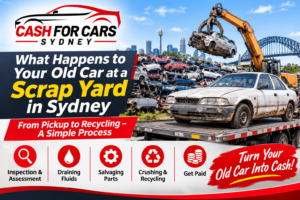
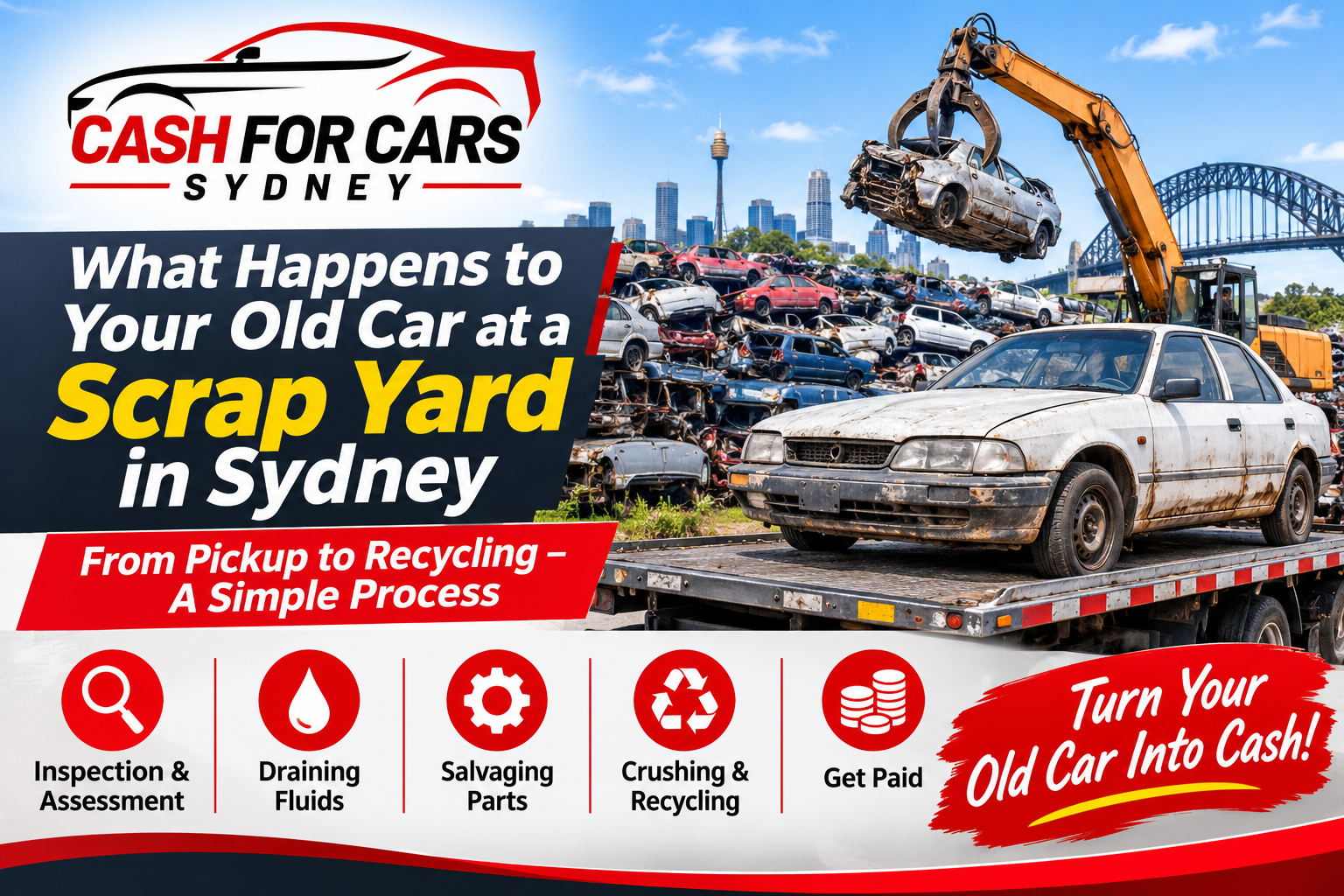
A scrap yard does more than crush cars. Each vehicle goes through several steps before anything is sold or recycled.
Inspection and Assessment
When your car arrives, the yard checks the make, model, year and general condition. The staff look at what parts are still in good shape and how complete the vehicle is. This check decides the offer you receive.
Draining Fluids and Removing Hazardous Parts
A car holds fluids and parts that are harmful if they leak. Before anything else happens, the yard removes:
- Engine oil, coolant, brake fluid and fuel
- The battery
- Air conditioning gas
- Airbags that have not been deployed
Removing these first protects the workers and the environment. It also keeps the other materials clean for recycling.
Salvaging Reusable Parts
Many parts still work even when the rest of the car does not. Doors, mirrors, wheels, alternators, starter motors and panels can be removed and sold to people who need them for repairs. This is one reason a damaged car still has a price.
Crushing, Shredding and Recycling
Once the useful parts are removed, the body is crushed and later shredded. The metal is sorted and sent to be melted down and reused. Steel makes up most of a car by weight, and aluminium, copper and other metals are recovered as well.
Which Cars End Up at a Scrap Yard
Cars arrive at a scrap yard for many reasons. The most common ones are:
- The engine or gearbox has failed and repairs cost more than the car is worth.
- The car was in an accident and is no longer safe to drive.
- The registration has expired and the owner does not want to renew it.
- The car is very old and has failed its safety checks.
- The vehicle has been parked for years and is no longer used.
If any of these sound familiar, scrapping may be the simplest way to deal with the car.
What Decides the Price of a Scrap Car
Two cars of the same age can receive very different offers. These are the main things that matter.
Weight of the Vehicle
Scrap metal is usually paid by weight, so a heavy car contains more metal than a small one. A large SUV or ute will often bring more than a compact hatchback.
Make, Model and Year
Popular models have parts that are in demand, and those parts can be resold. Rare or very old models can be harder to match with buyers.
Missing or Damaged Parts
A complete car is worth more than one with its engine, gearbox or catalytic converter taken out. The catalytic converter holds precious metals, so it affects the price more than most people expect.
Metal Prices
Scrap metal prices move with the market. The same car may bring a different offer in a few months, which is why it is worth asking for a current offer instead of relying on a number you heard last year.
Scrap Car Removal in Sydney: Getting the Car There
A car that does not run cannot simply be driven to the yard. You have two main options.
Drop It Off Yourself
If the car still moves, you can drive it in or tow it with your own gear. This works for some owners, but you must handle the transport and any risk on the road.
Arrange a Pickup
Many owners choose a pickup, where a tow truck collects the car from home, work or a yard. Ask before you agree whether the pickup costs anything and whether that cost comes out of the offer. Knowing this upfront avoids surprises on the day.
Getting Your Car Ready
A little preparation makes the sale easier. Before the car leaves, do the following:
- Remove all personal items from the glovebox, boot and under the seats.
- Take off any toll tags.
- Find your photo ID and ownership papers.
- Write down the faults so the details you give are accurate.
- Make sure the tow truck can reach the car.
If any money is still owing on the car through finance, that needs to be cleared before it can be sold.
Paperwork You Need in NSW
After the car is gone, tell Service NSW by lodging a notice of disposal. This shows you are no longer the owner. Without it, tolls, fines and parking tickets issued after the sale could still be linked to you.
Keep a copy of the receipt or any written record of the handover. You can also ask Service NSW whether any unused registration can be refunded.
Choosing Where to Sell
Not every yard works the same way, so it pays to ask a few questions before you hand over the keys.
Cash for Cars Sydney has been buying unwanted vehicles from local owners since 2017, including cars that are damaged, unregistered or no longer running. Owners can share the details of their vehicle and receive an offer before they decide to go ahead.
Whoever you choose, ask how and when you will be paid. Ask whether there are any fees taken out of the offer. Ask whether the buyer is licensed to deal in vehicles in NSW. A genuine buyer will answer each question without any pressure.
Common Questions About Scrapping a Car
Can I scrap a car that has no rego?
Often you can. The registration status may change how the car is moved, so mention it when you ask for an offer.
Do I need to be there at pickup?
Usually someone needs to hand over the keys and paperwork. If you cannot be there, discuss other arrangements with the buyer beforehand.
Will I get paid for a car that does not run?
Yes, in most cases. A car that does not run still contains metal and parts, so it still has a price.
Final Thoughts
Sending an old car to a scrap yard is not a mystery once you know the steps. The car is checked, the fluids are removed, the useful parts are salvaged and the metal is recycled. What you receive depends on the weight, the model, the condition and the current metal prices.
Prepare your papers, ask clear questions and tell Service NSW once the car is gone. A little planning turns an old car that has been taking up space into cash and a cleared driveway.